4.4 Etilen Oksit Tayini (EO) ve ECH Kalıntıları
Uzman özeti ve teknik yorumu 2026 Sterilizasyon kalıntı analizi için güncellenmiş protokoller.
4.4.1 Genel Prosedür
İzin Verilen Sınırlara uygunluğu belirleme prosedürü (AL) Dört kritik sütundan oluşur:
- Ekstraksiyon: Temsili numunelerden kalıntıların çıkarılması.
- Kararlılık: Artık miktarının ölçülmesi (EO/EC).
- Yüzey Analizi: Cihazın temas yüzey alanının belirlenmesi.
- Veri Yorumlama: Sonuçların Ek A'ya göre analiz edilmesi, B, C, ve ISO'nun J'si 10993-7:2026.
4.4.2 Test Yöntemi Doğrulaması
Hasta güvenliğini sağlamak için geçerli bir ekstraksiyon ve ölçüm yöntemi zorunludur. Gaz Kromatografisi (GC) EO ve ECH analizi için altın standart olmaya devam ediyor (bkz. Ek H ve I).
| Gereksinim Kategorisi | Minimum Doğrulama Parametreleri |
|---|---|
| Sistem Uygunluğu | Doğruluğun gösterilmesi, kesinlik (tekrarlanabilirlik & tekrarlanabilirlik), ve özgüllük (hassasiyet & seçicilik). |
| Analitik Aralık | Tespit limitlerinin doğrulanması (LOD), miktar sınırları (LOQ), doğrusallık, ve aralık. |
| Kılavuz Hizalaması | Doğrulama aşağıdakilerle uyumlu olmalıdır: ICH Uyumlaştırılmış Üçlü Kılavuzlar Asgari uluslararası gereklilikleri karşılamak için. |
4.4.3 Ürün Numune Alma & En Kötü Durum Koşulları
Numuneler bitmiş ürünü temsil etmelidir. ISO 10993-7:2026 vurguluyor En Kötü Durum Senaryosu, şunları içerir:
- İzin verilen ikili veya üçlü sterilizasyon döngüleri.
- Belirtilen minimum havalandırma süreleri.
- Ek A ve B'de açıklanan geri alma ve işleme faktörleri.
4.4.5 Ürün Çıkarma Stratejisi
Amaç, fiili kullanım sırasında hastaya iletilen en kötü durum miktarını belirlemektir.. Yöntem seçimi maruz kalma süresine bağlıdır:
Simüle Edilmiş Kullanımlı Ekstraksiyon
Cihazın klinik uygulamada nasıl kullanıldığına bağlı olarak kümülatif dozu değerlendirir. Kapsamlı ekstraksiyon AL'yi aşıyorsa önerilir.
Kapsamlı Ekstraksiyon
Kalıntıların tamamen uzaklaştırılması. Kapsamlı sonuçlar AL sınırları dahilindeyse, daha fazla simüle edilmiş kullanım testi gerekli değildir.
4.4.6 Çoklu Cihaz Sistemleri & Kitler
Çok cihazlı sistemler: Bileşenlerin tek tek mi yoksa monte edilmiş bir ünite olarak mı test edilmesi gerektiğini belirlemek için değerlendirilmelidir (Madde A.8).
Kolaylık kitleri: Bağımsız olarak kullanılan ürünler için, limitler uygun CEF kullanılarak uygulanabilir veya kitin tamamı için hesaplanabilir. Cihaz sayısı varsayılandan farklıysa (5 cihazlar), CEF buna göre ayarlanmalıdır.
ISO ile Uyumluluğu Sağlayın 10993-7:2026
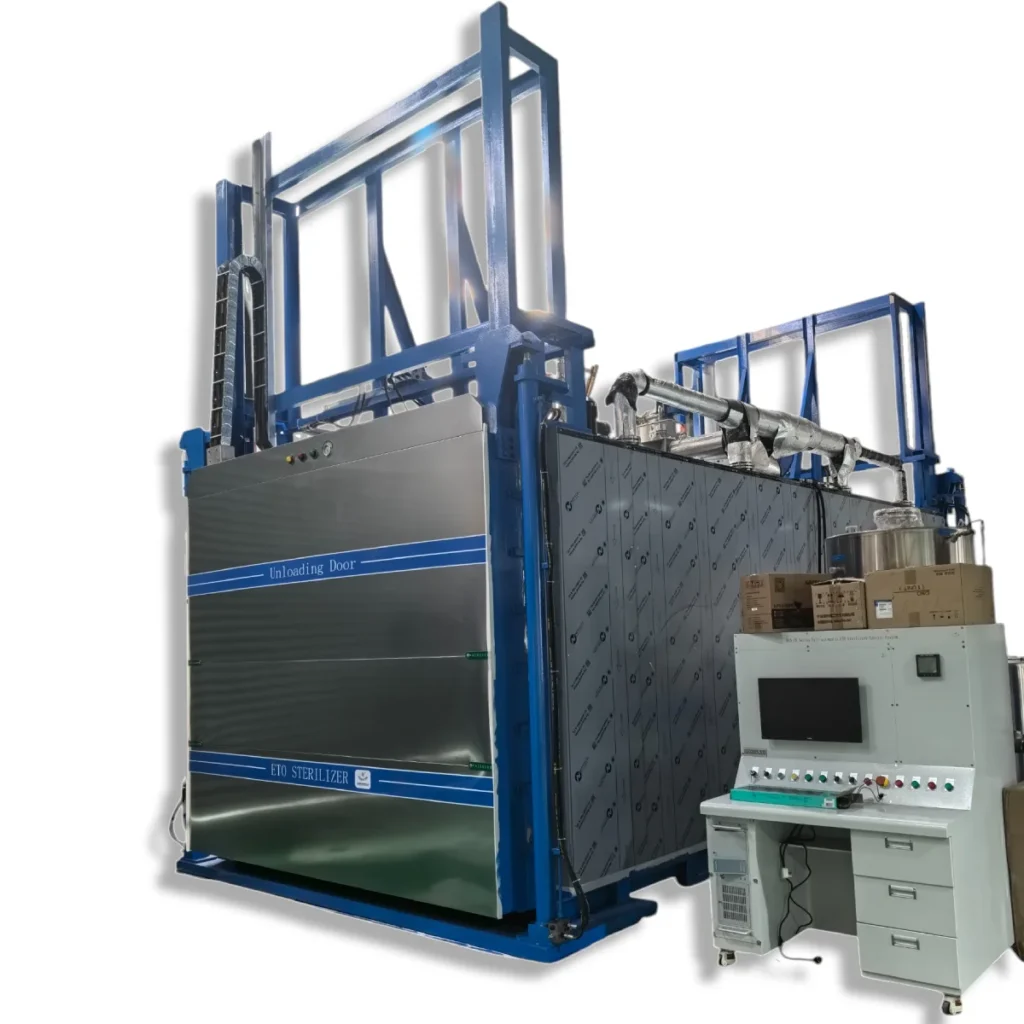
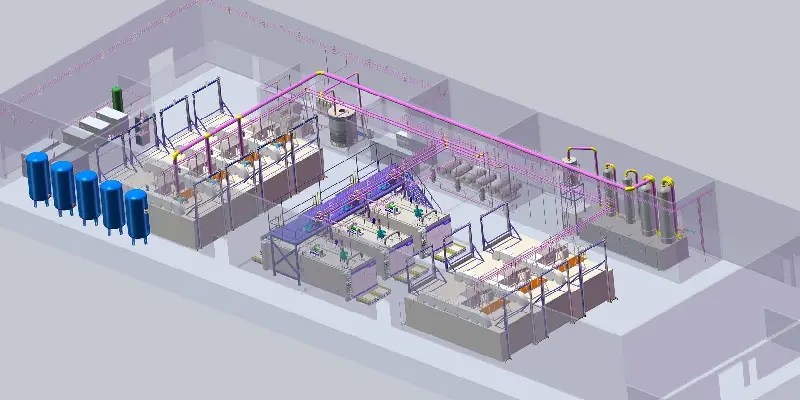
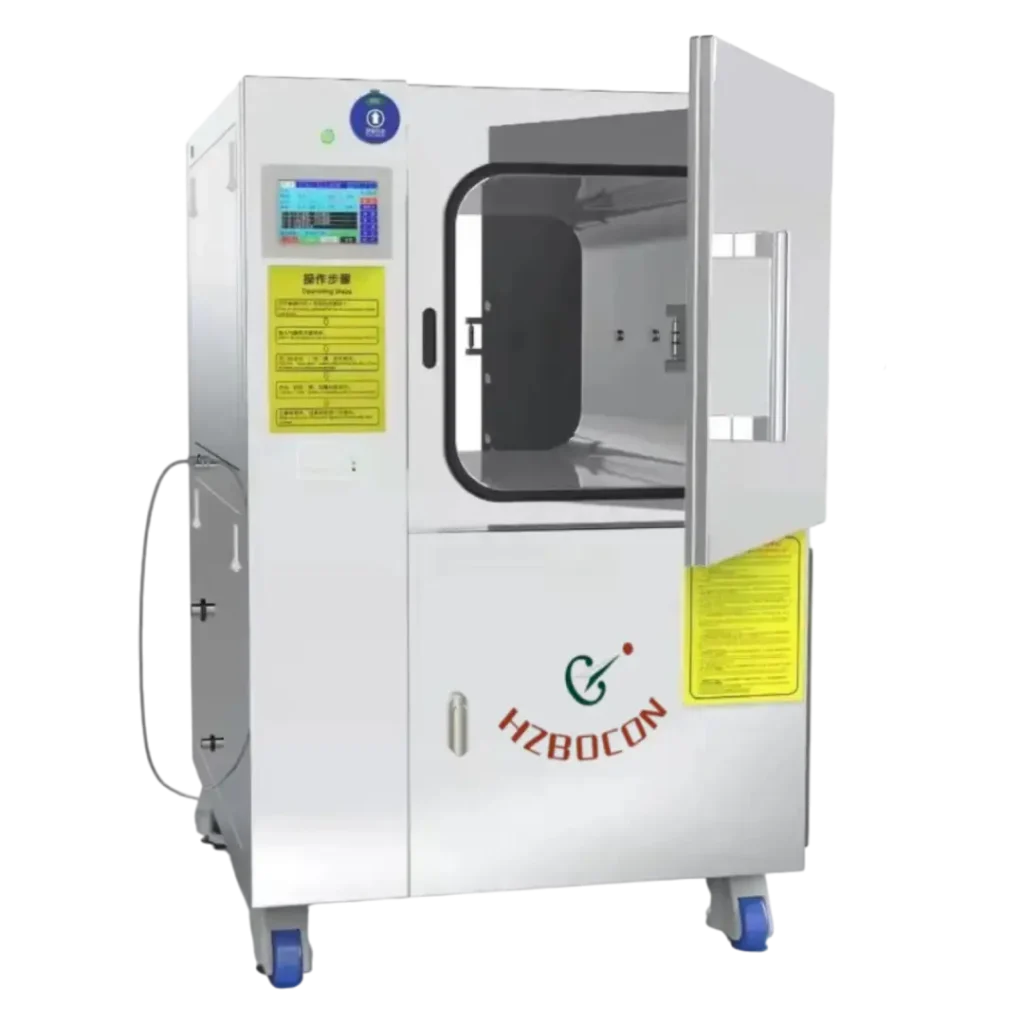
BOCON'un gelişmiş havalandırma ve sterilizasyon sistemleri, en sıkı EO kalıntı limitlerini verimli bir şekilde karşılamanıza yardımcı olmak için tasarlanmıştır.