10 Cosas que debe saber sobre Dispositivos médicos esterilizados con EO
óxido de etileno (OE) esterilización es la mejor opción para dispositivos que no pueden soportar ambientes con mucho calor o humedad. Aunque es muy eficaz, La seguridad de estos dispositivos depende del estricto cumplimiento de las ISO 10993-7 estándares. Aquí están los diez datos esenciales que todo fabricante y distribuidor debe saber.:
1
Exenciones de pruebas residuales
Sólo los dispositivos con contacto directo con el paciente requieren Prueba de residuos de EO. Diagnóstico in vitro (DIV) a menudo quedan fuera de este requisito.
2
Riesgos para la salud & Efectos secundarios
Sin control AE gaseoso y sus subproductos (ECH/EG) puede provocar daño orgánico o mutagenicidad, hacer de los límites residuales una barrera de seguridad no negociable.
3
Centrarse en EO y ECH
Mientras que el etilenglicol (P.EJ) es un factor, Las pruebas se centran principalmente en los residuos de EO y ECH, ya que presentan el mayor riesgo toxicológico inmediato..
4
Seguridad intravenosa (Preocupaciones de GE)
Para dispositivos que entran en contacto con el flujo sanguíneo (como catéteres intravenosos), Es vital medir la hidrólisis de EO a EG para prevenir la hemólisis (daño a los glóbulos rojos).
5
Categorización de exposición
Los dispositivos se clasifican como limitados. (<24h), Prolongado (1-30 días), o Permanente (>30 días) para determinar su permisible Límites residuales de EO.
6
Sistemas multidispositivo
En sistemas complejos, Cada componente que entra en contacto con el paciente debe someterse a un proceso individual. Análisis residual de OE.
7
Límites de equipos especializados
Separadores de sangre, lentes intraoculares, y los dispositivos de purificación tienen características únicas, alta precisión Límites de OE que difieren de las herramientas médicas estándar.
8
Límites de contacto tolerables (TCL)
Los implantes y las herramientas que entran en contacto con la superficie requieren cálculos de TCL para evitar que se produzca irritación localizada de la piel o el tejido. Gas óxido de etileno liberar.
9
Simulado vs.. Extracción exhaustiva
Las pruebas se pueden realizar mediante uso simulado. (imita la exposición del paciente) o extracción exhaustiva (mide el residuo total). Ambos cumplen con ISO 10993-7.
10
Envío & Muestreo representativo
Las muestras deben “descansar” con el lote esterilizado antes de la extracción para el envío. La eliminación prematura puede dar lugar a resultados inexactos., no representativo Datos residuales de EO.
Soluciones expertas en EO de BOCON
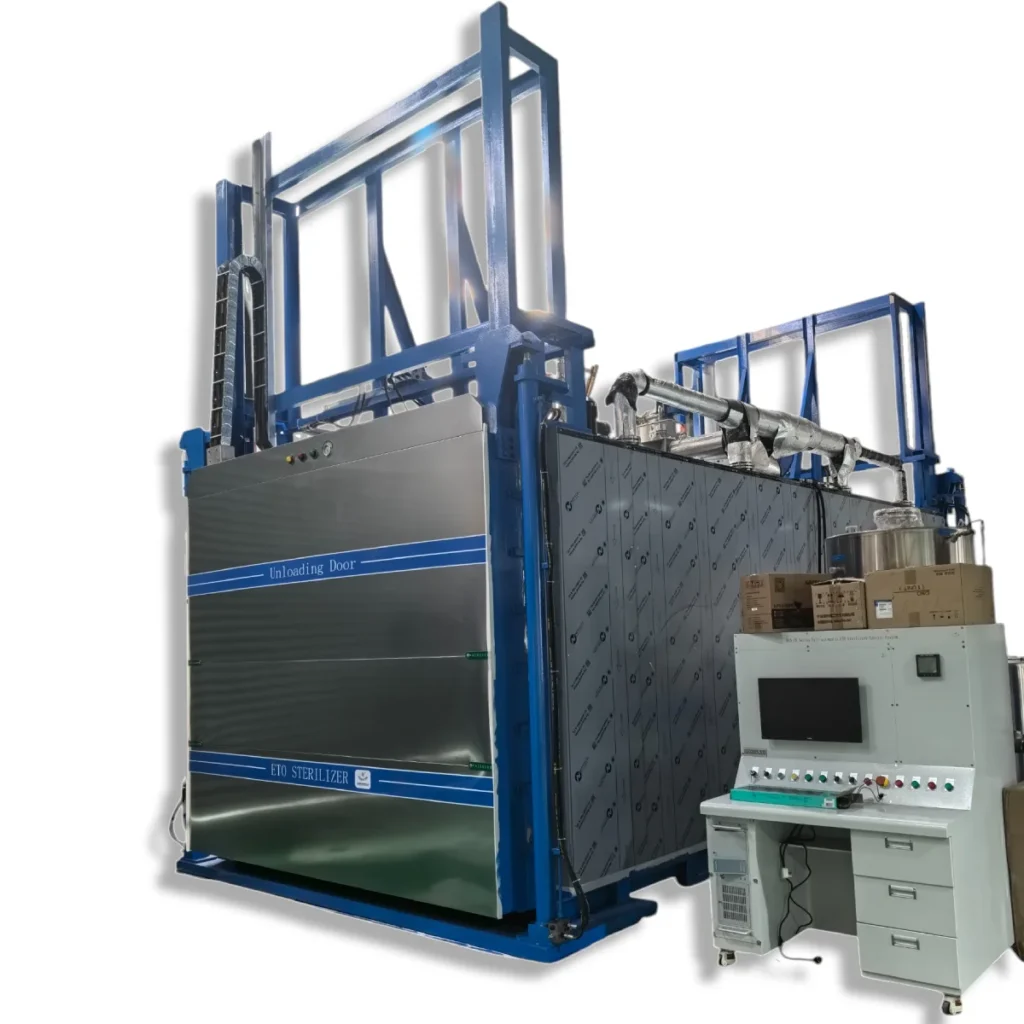
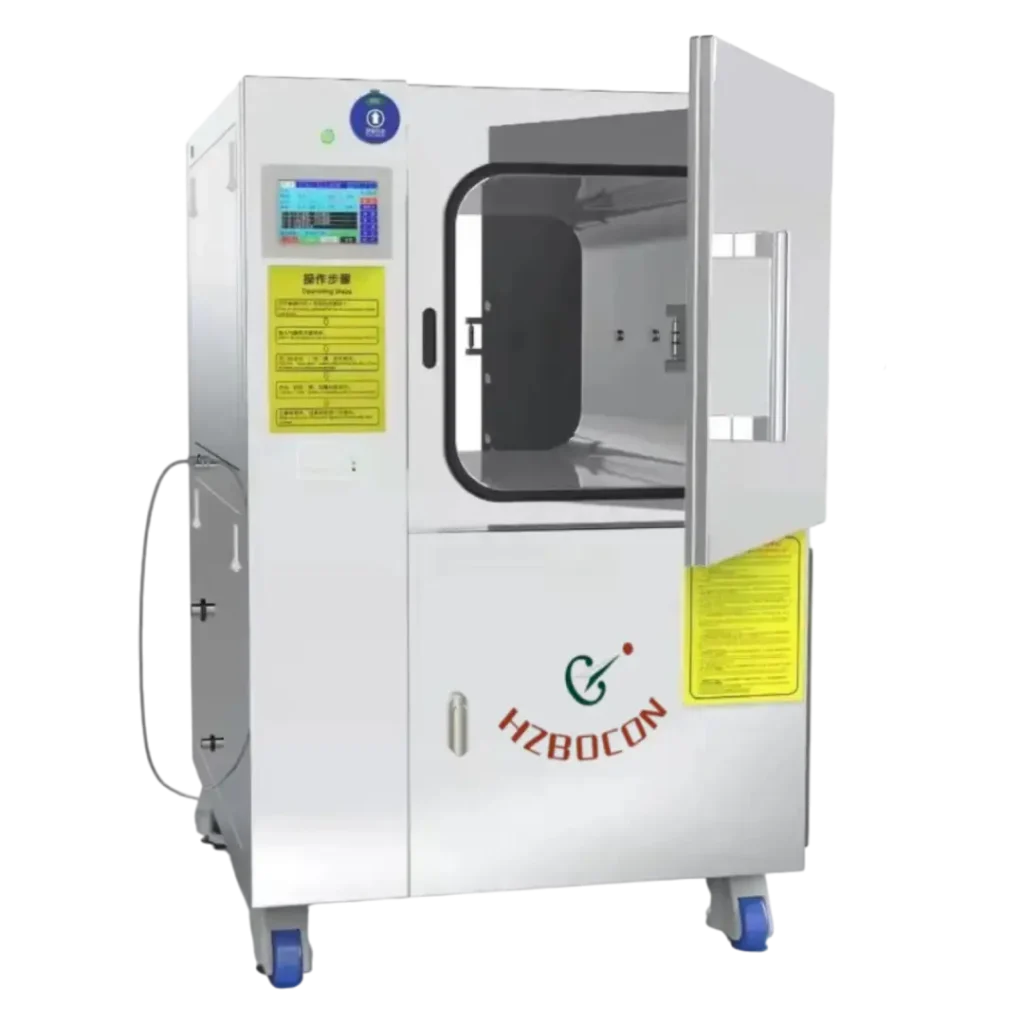
Gerente Tecnología de esterilización con óxido de etileno. requiere precisión en cada paso. BOCON Esterilizadores ETO serie BCS están diseñados para optimizar la ciclo de esterilización minimizando al mismo tiempo los residuos dañinos a través de sistemas de aireación de alto rendimiento. Le ayudamos a cumplir con todos los límites regulatorios globales con facilidad.