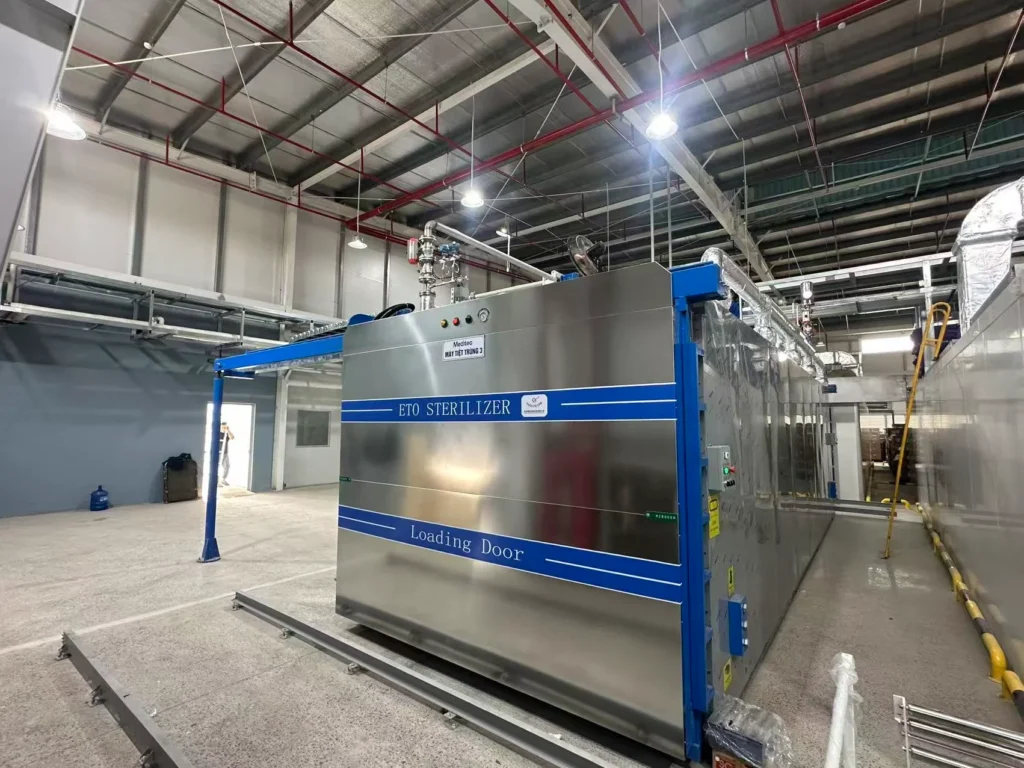
環氧乙烷滅菌: Scope, 優點 & Steps
環氧乙烷 (環氧乙烷) 消毒 is recognized globally as the primary low-temperature sterilization method. Its exceptional penetration and non-corrosive nature make it essential for medical devices that cannot withstand heat or moisture.
Ideal for electronic instruments, optical devices, 內視鏡, 導管, plastics, leather, and complex disposable diagnostic supplies.
Kills all microorganisms (including spores); penetrates irregular structures; preserves material properties (no yellowing/brittleness); allows for pre-sealed packaging.
Industrial Sterilizer Comparison
| Sterilizer Type | Typical Volume | Primary Use Cases | Core Parameters |
|---|---|---|---|
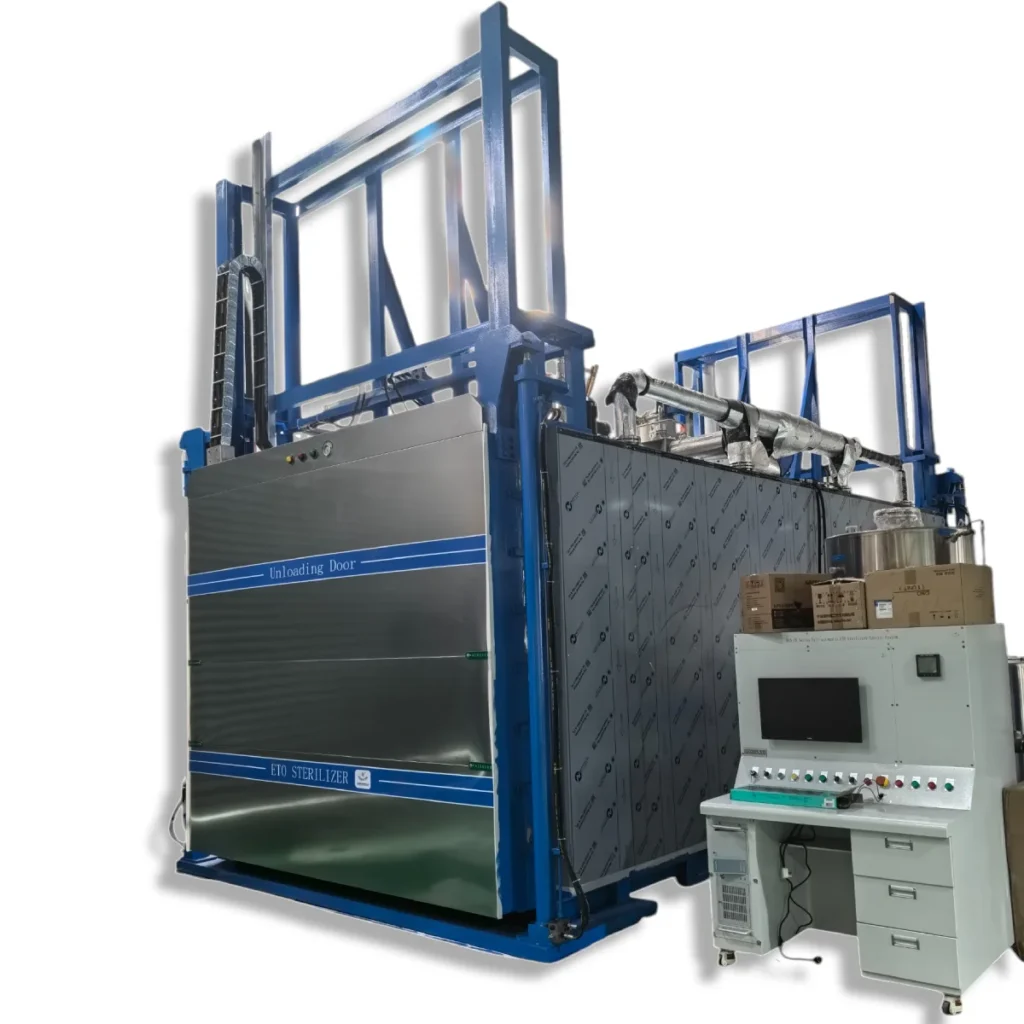
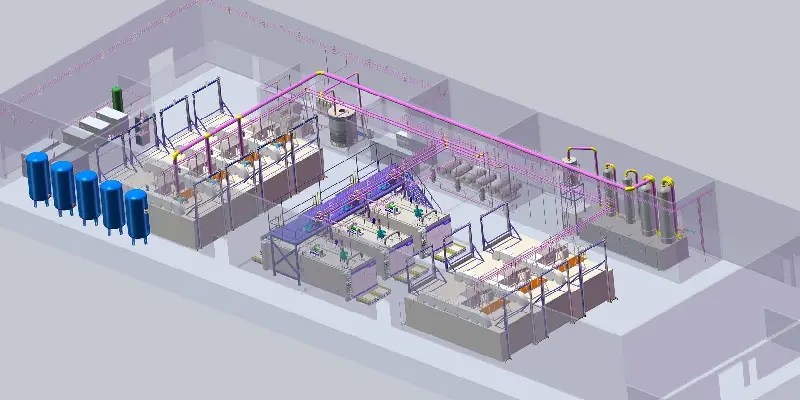
| Large Scale | 50 – 100 立方米 | Mass industrial production | 0.8-1.2 kg/m³ dosage; 55-60°C; 6h cycle |
| Medium Scale | 6 – 50 立方米 | Single-use medical factory lines | Pure EO or CO2 mixture; 60%-80% 濕度 |
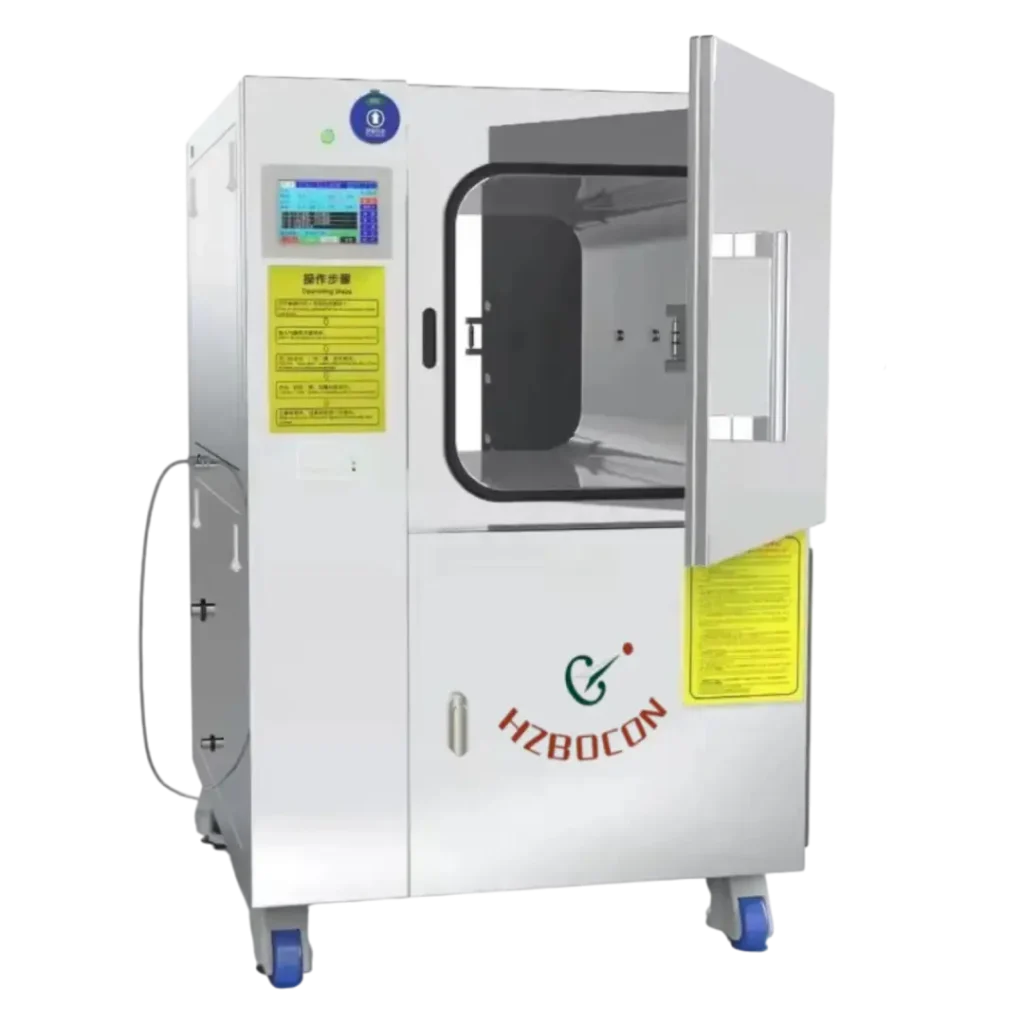
| Small Scale | 1 – 5 立方米 | Hospitals & Health departments | High automation; integrated air filtration |
這 6 Core Steps of the EO Sterilization Process
A validated EO sterilization cycle must follow a precise sequence to ensure both lethality and safety:
Critical Success Factors
- Humidity Control: Relative humidity must be maintained at 60%-80%. Insufficient moisture hinders alkylation, while excessive moisture creates barriers.
- Load Management: Total load should not exceed 80% of cabinet volume to allow for effective gas diffusion.
- Packaging Material: Use paper, non-woven fabric, or composite films. Avoid PVC or non-permeable polypropylene.
- Residual Management: Ventilation must meet environmental regulations, ensuring EO residuals are <2mg/m³ for patient safety.
Choose BOCON for High-Efficiency EO Sterilization
博康的 BCS系列環氧乙烷滅菌器 are engineered to automate these complex steps with high precision. Our systems feature integrated high-efficiency filters (99.6% at 0.3μm) and advanced vacuum performance (down to 533 千帕) to ensure 國際標準化組織 11135 compliance and maximum production safety.