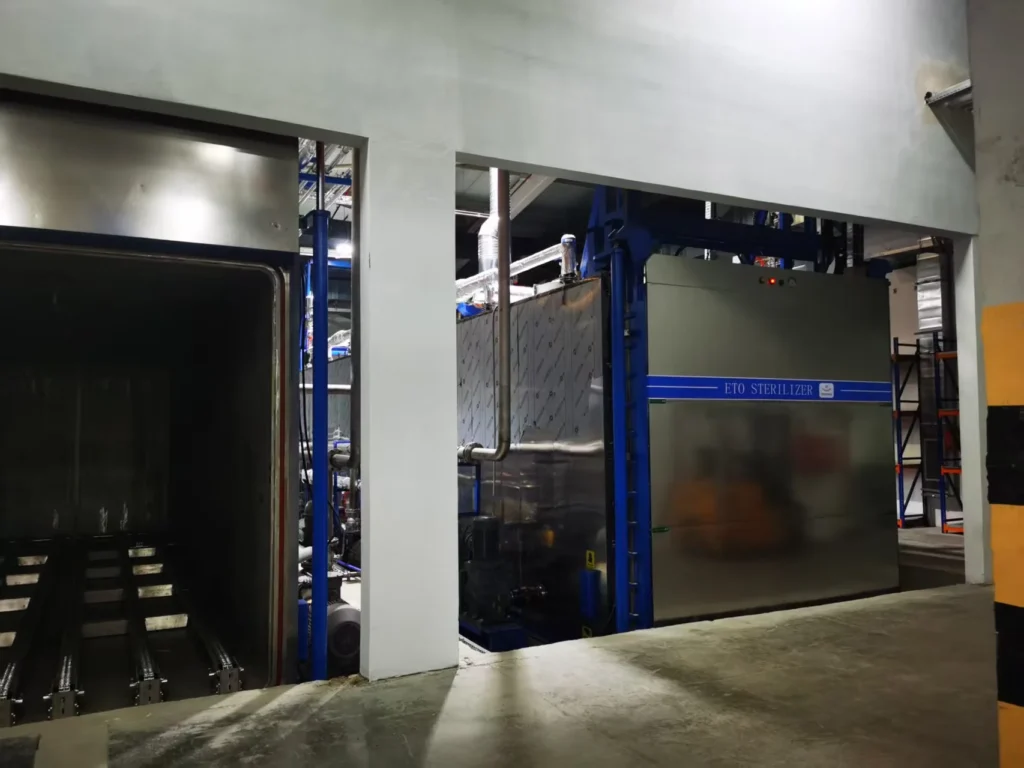
環氧乙烷滅菌 用於醫療器材
在醫療產業, 終端滅菌 是最終的保障措施——產品密封在最終包裝後使所有微生物失去活性的過程. 環氧乙烷 (環氧乙烷) 氣體是完成這項任務的主要化學試劑, 特別是對於不能承受蒸汽高溫或輻射退化的複雜設備.
什麼是環氧乙烷?
EO 是一種有效的, 高穿透力 烷化劑. 它的作用是破壞微生物的生殖 DNA. 在現代工業環境中, 它可以用作 100% 純環氧乙烷 或在更安全的地方 環氧乙烷/二氧化碳混合物 確保真空環境下的最大殺傷力.
應用: 什麼可以消毒?
雖然濕熱是簡單工具的經濟有效的替代方案, EO 是強制選擇:
- 不耐熱設備: 靈敏的電子裝置和精細光學元件.
- 高分子材料: 塑膠裝置, 靜脈注射裝置, 和專用導管.
- 禮服材料: 手術單, 禮服, 和多孔不織布.
- 粉末: 必須保持乾燥的無水材料.
標準環氧乙烷滅菌週期
1. 載入 & 真空
2. 加濕
3. 注氣
4. 曝露 (〜6小時)
5. 通風 (24+ 小時)
致死因素: SAL 10⁻⁶ 的科學原理
滅菌週期的成功取決於四個關鍵變數的精確校準:
| 因素 | 標準範圍 | 對流程的影響 |
|---|---|---|
| 氣體濃度 | 400 – 1200 毫克/公升 | 濃度越高,微生物殺滅率越高,但需要更長的通氣時間. |
| 溫度 | 50℃ – 60℃ (122°F – 140°F) | 優化氣體活性,同時保護熱敏聚合物. |
| 相對濕度 | 35% – 80% 相對濕度 | 對於孢子再水合至關重要,使其容易受到環氧乙烷氣體的影響. |
| 曝露時間 | 多變的 (平均. 6 小時) | 根據負載密度和材料吸收性進行調整. |
BOCON 系統的精確控制
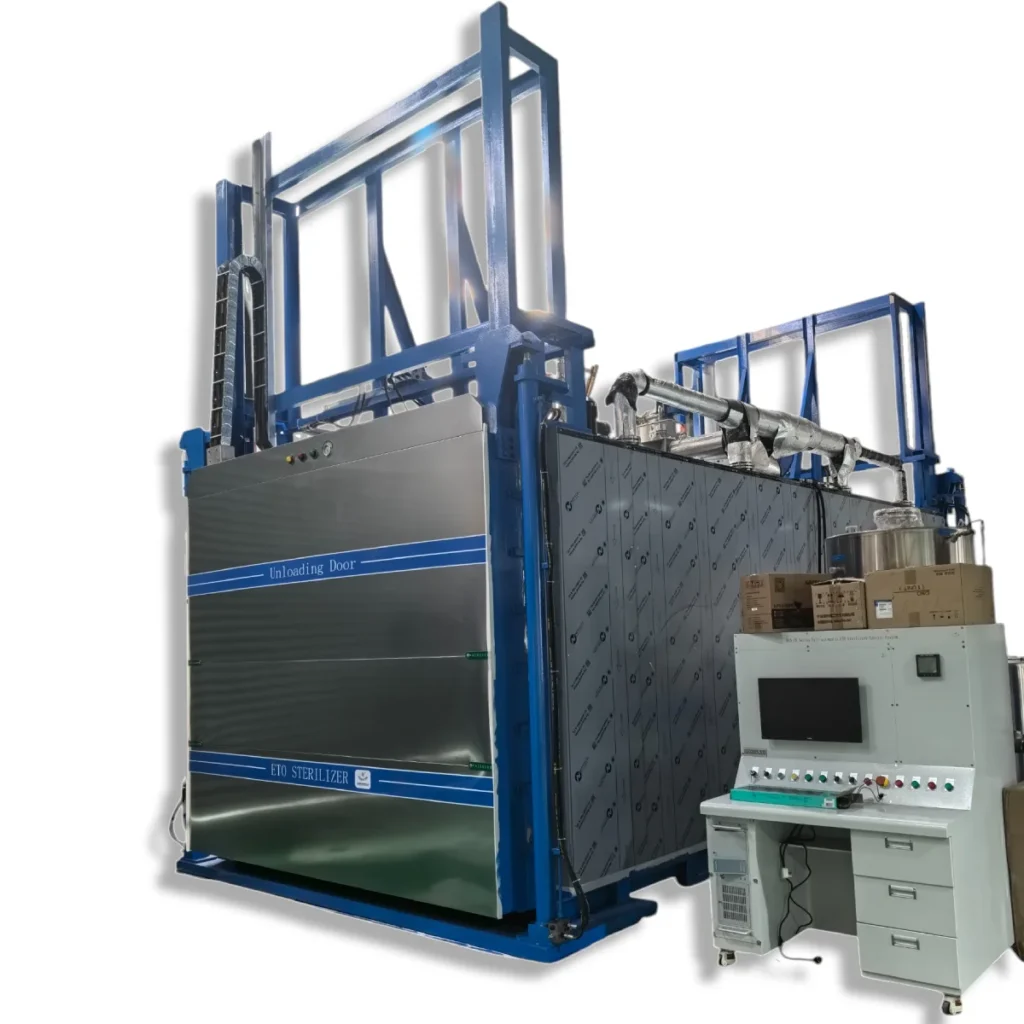
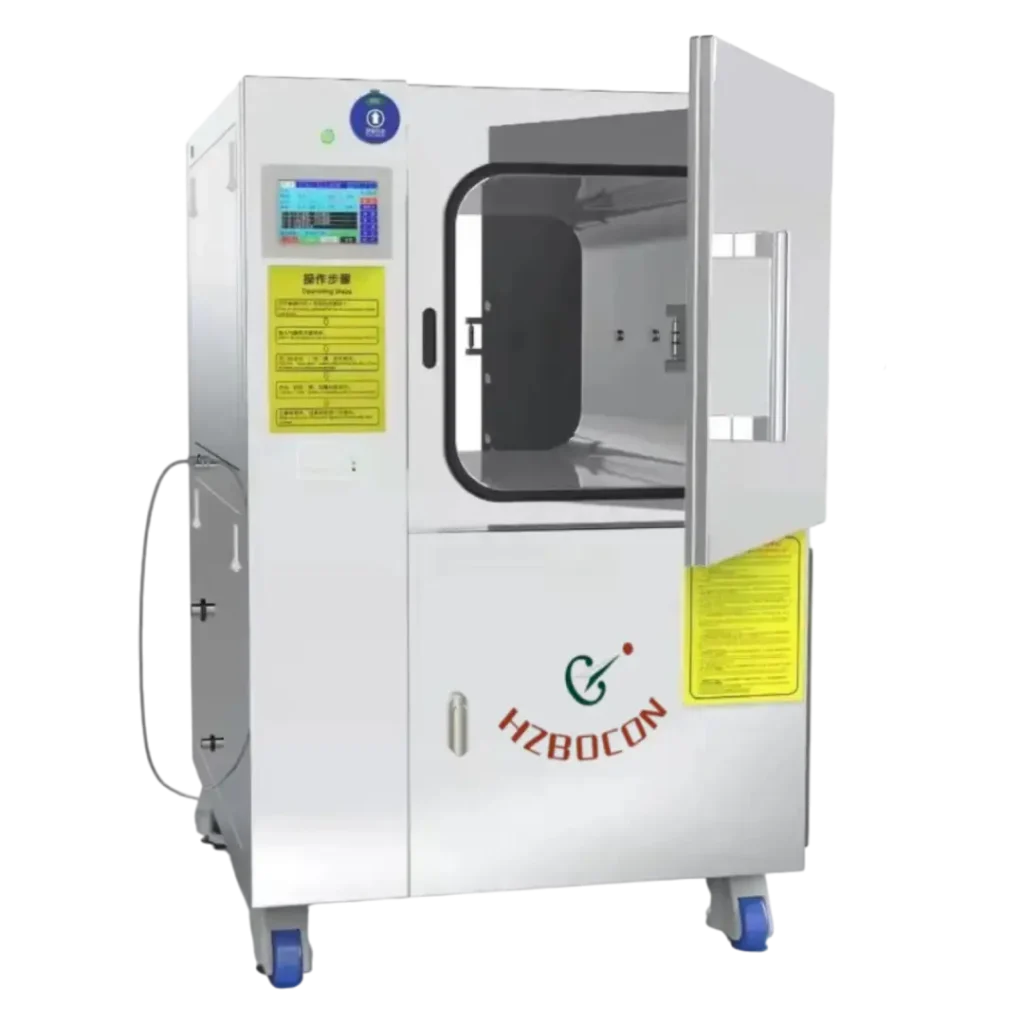
在博康, 我們明白 環氧乙烷滅菌 是一個強大而微妙的解決方案. 我們的 BCS系列環氧乙烷滅菌器 旨在以電腦化的精度管理這些變量, 確保優化曝氣和排氣週期,最大限度地減少殘留物,同時最大限度地提高產量和安全性.