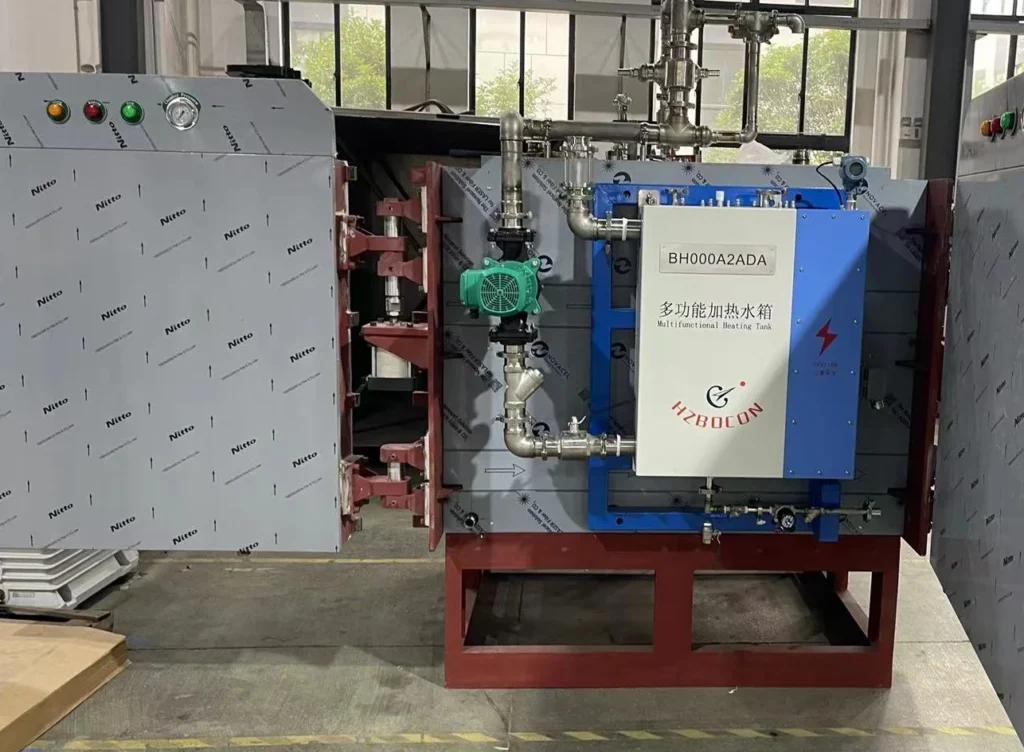
Etilen Oksitte Gelişmiş Patlama Koruması (EO) Sterilizasyon Süreçleri
1. Etilen Oksitte Patlama Kavramı ve Riskleri (EO) Sterilizasyon
Oksijenle karışan patlayıcı bir maddenin konsantrasyonu patlama limitleri içerisine düştüğünde ve bir tutuşma kaynağıyla karşılaştığında patlama meydana gelir.. Bu olay çok büyük yıkıma yol açabilir. Bağlamında Etilen Oksit (EO) Sterilizasyon, the “Patlama Üçgeni” sıkı bir şekilde yönetilmeli: Yanıcı Malzeme, Oksitleyici, ve Ateşleme Kaynağı (Alevlenme noktası).
2. Etilen Oksit Uyumluluk Standartları (EO) Sterilizasyon Ekipmanları
Kullanılan tüm patlamaya dayanıklı elektrikli ekipmanlar Etilen Oksit (EO) Sterilizasyon Uluslararası ve ulusal düzenlemelere sıkı sıkıya bağlı kalınmalıdır:
- Büyük Britanya 3836-2021: Patlayıcı atmosferler (IEC'ye eşdeğer 60079:2017, IDT).
- Büyük Britanya 50058-2014: Patlayıcı tehlikeli ortamlardaki elektrik tesisatlarının tasarımına ilişkin kod.
3. Etilen Oksit için Tehlikeli Alan Sınıflandırması (EO) Sterilizasyon
Bir tasarımın tasarımı sırasında Etilen Oksit (EO) Sterilizasyon tesis, Tehlikeli yerler, patlayıcı gaz karışımlarının ortaya çıkma sıklığı ve süresine göre üç bölgeye ayrılmıştır.:
- Alan 0: Patlayıcı gaz karışımlarının sürekli varlığı veya uzun süreli görünümü (örneğin, EO tankının içindeki sıvı seviyesinin üzerindeki boşluk).
- Alan 1: Normal çalışma sırasında patlayıcı gaz karışımlarının oluşması muhtemeldir (örneğin, tahliye vanalarının yakınında Etilen Oksit (EO) Sterilizasyon odalar).
- Alan 2: Normal çalışma koşullarında patlayıcı gaz karışımlarının oluşması muhtemel değildir, ya da yaparlarsa, yalnızca kısa bir süre için var olacak.
4. Patlamaya Dayanıklı İşaretlerin Yorumlanması
Kullanılan ekipmanın teknik parametreleri dahilinde Etilen Oksit (EO) Sterilizasyon, spesifik Ex işaretleri uyumluluğu gösterir. Bu semboller, ürünün yüksek riskli ortamlarda güvenli bir şekilde çalışacak şekilde tasarlandığını onaylar. Etilen Oksit (EO) Sterilizasyon bölgeler.
5. Etilen Oksit için Patlamaya Dayanıklı Yapılar (EO) Sterilizasyon Ortamları
Koruma türleri Etilen Oksit (EO) Sterilizasyon katmak: Aleve dayanıklı (D), Artırılmış Güvenlik (e), Öz Güvenlik (Ben), Basınçlı (P), Yağa batırılmış (O), Kum dolu (Q), Ve Kapsüllenmiş (M).
5.1 Aleve Dayanıklılığın Gelişimi (D) Standartlar
için en son standartlar Etilen Oksit (EO) Sterilizasyon Ekipman aleve dayanıklı yapıları şu şekilde sınıflandırır::
- Ve: Bölgeye Uygun 0 (örneğin, Taşınabilir dedektörlerdeki katalitik sensörler).
- db: Geleneksel olarak kullanılan standart aleve dayanıklı tip Etilen Oksit (EO) Sterilizasyon kurulumlar.
- doğru akım: Elektrik anahtarlama kontaklarına sahip ekipmanlar için uygundur.
5.2 Öz Güvenlik (eski ben) Etilen Oksit'te (EO) Sterilizasyon
Gerçek güvenlik (eski ben) elektrik enerjisini sınırlandırarak patlamayı önler (kıvılcımlar ve termal etkiler) bir enstrüman tarafından üretilen. bir Etilen Oksit (EO) Sterilizasyon kontrol sistemi, bu, güvenlik bariyerleri aracılığıyla sağlanır.
6. Etilen Oksit için Malzeme Kategorileri (EO) Sterilizasyon
Patlayıcı maddeler Sınıf I'e ayrılmıştır (Metan), Sınıf II (Gazlar/Buharlar), ve Sınıf III (Toz/Lifler).
EO Sınıflandırması: Büyük Britanya için 3836-2021, Etilen Oksit IIB Sınıfı bir gazdır. Öyleyse, kullanılan tüm elektrikli ekipmanlar Etilen Oksit (EO) Sterilizasyon olarak derecelendirilmelidir Sınıf IIB (veya Sınıf IIC, IIB gerekliliklerini kapsayan daha yüksek bir koruma seviyesi sunan).
7. Maksimum Yüzey Sıcaklığı Grupları
Herhangi bir elektrikli bileşenin maksimum yüzey sıcaklığı Etilen Oksit (EO) Sterilizasyon Kazara yanmayı önlemek için atmosfer her zaman EO gaz karışımının tutuşma sıcaklığının altında kalmalıdır..
8. Ekipman Koruma Seviyeleri (EPL) EO Ortamlarında
EPL, aşağıdakiler için risk azaltma düzeyini tanımlar: Etilen Oksit (EO) Sterilizasyon teçhizat:
- GA / anne / Ve: “Çok Yüksek” koruma seviyesi; normal çalışma sırasında güvenli, beklenen hatalar, ve nadir nadir hatalar.
- GB / MB / Veritabanı: “Yüksek” koruma seviyesi; normal çalışma ve beklenen arızalar sırasında güvenli.
- Gc / DC: “Normal” koruma seviyesi; normal çalışma sırasında güvenli Etilen Oksit (EO) Sterilizasyon işlem.
Etilen Oksitinizi Güvenceye Alın (EO) Sterilizasyon Uyumluluğu
Emin olun Etilen Oksit (EO) Sterilizasyon ekipman en son GB standartlarını karşılıyor 3836 ve IEC güvenlik standartları.
EO Sterilizasyon Güvenlik Denetimi için randevu alın