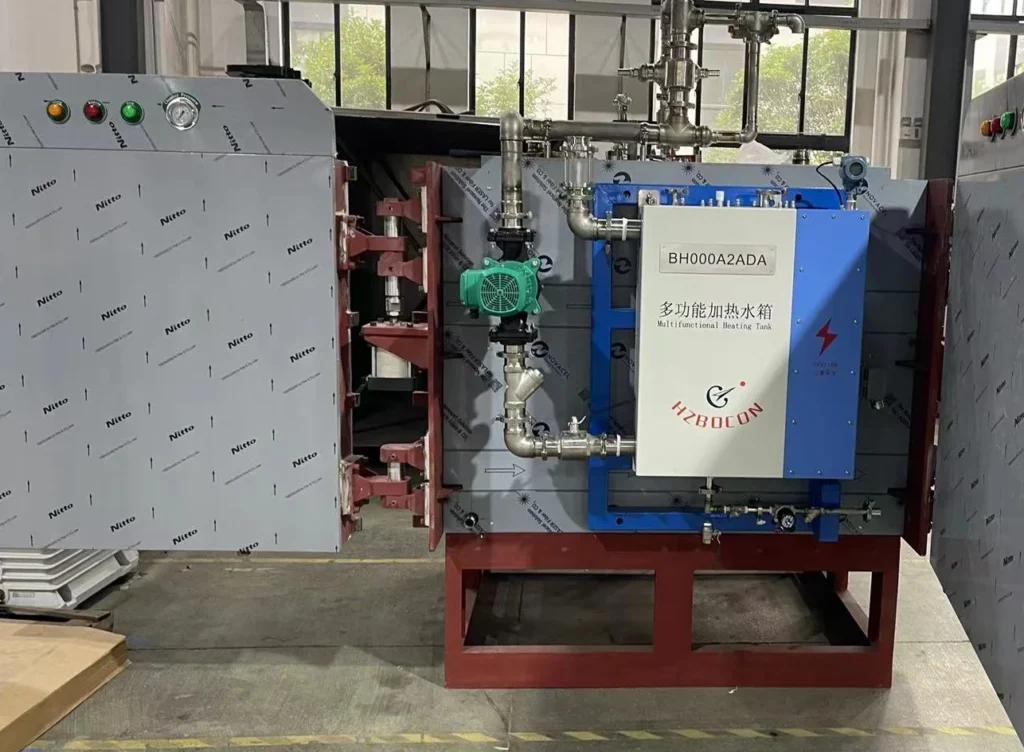
Perlindungan Ledakan Tingkat Lanjut dalam Etilen Oksida (EO) Proses Sterilisasi
1. Konsep Ledakan dan Resiko pada Etilen Oksida (EO) Sterilisasi
Ledakan terjadi ketika konsentrasi bahan peledak yang bercampur dengan oksigen berada dalam batas ledakannya dan bertemu dengan sumber penyulutan. Fenomena ini dapat menyebabkan kehancuran yang sangat besar. Dalam konteks Etilen Oksida (EO) Sterilisasi, itu “Segitiga Ledakan” harus dikelola secara ketat: Bahan Mudah Terbakar, pengoksidasi, dan Sumber Pengapian (Titik nyala).
2. Standar Kepatuhan untuk Etilen Oksida (EO) Peralatan Sterilisasi
Semua peralatan listrik tahan ledakan digunakan untuk Etilen Oksida (EO) Sterilisasi harus benar-benar mematuhi peraturan internasional dan nasional:
- GB 3836-2021: Suasana yang mudah meledak (Setara dengan IEC 60079:2017, IDT).
- GB 50058-2014: Kode untuk desain instalasi listrik di lingkungan berbahaya yang mudah meledak.
3. Klasifikasi Area Berbahaya untuk Etilen Oksida (EO) Sterilisasi
Selama desain sebuah Etilen Oksida (EO) Sterilisasi fasilitas, lokasi berbahaya dikategorikan menjadi tiga zona berdasarkan frekuensi dan durasi munculnya campuran gas yang mudah meledak:
- Daerah 0: Kehadiran campuran gas yang mudah meledak secara terus-menerus atau dalam jangka panjang (misalnya, ruang di atas permukaan cairan di dalam tangki EO).
- Daerah 1: Campuran gas yang mudah meledak mungkin terjadi selama pengoperasian normal (misalnya, dekat katup pelepas aktif Etilen Oksida (EO) Sterilisasi kamar).
- Daerah 2: Campuran gas yang mudah meledak tidak mungkin terjadi dalam pengoperasian normal, atau jika mereka melakukannya, hanya akan ada dalam jangka waktu yang singkat.
4. Interpretasi Tanda Tahan Ledakan
Dalam parameter teknis peralatan yang digunakan untuk Etilen Oksida (EO) Sterilisasi, tanda Ex tertentu menunjukkan kepatuhan. Simbol-simbol ini menyatakan bahwa produk tersebut dirancang untuk beroperasi dengan aman dalam risiko tinggi Etilen Oksida (EO) Sterilisasi zona.
5. Struktur Tahan Ledakan untuk Etilen Oksida (EO) Lingkungan Sterilisasi
Jenis perlindungan untuk Etilen Oksida (EO) Sterilisasi termasuk: Tahan api (D), Peningkatan Keamanan (e), Keamanan Intrinsik (Saya), Bertekanan (P), Terendam minyak (Hai), Penuh pasir (Q), Dan Terbungkus (M).
5.1 Evolusi Tahan Api (D) Standar
Standar terbaru untuk Etilen Oksida (EO) Sterilisasi peralatan mengklasifikasikan struktur tahan api sebagai:
- Dan: Cocok untuk Zona 0 (misalnya, sensor katalitik dalam detektor portabel).
- db: Tipe tahan api standar yang digunakan secara tradisional Etilen Oksida (EO) Sterilisasi pengaturan.
- dc: Cocok untuk peralatan dengan kontak saklar listrik.
5.2 Keamanan Intrinsik (Contoh saya) dalam Etilen Oksida (EO) Sterilisasi
Keamanan intrinsik (Contoh saya) mencegah ledakan dengan membatasi energi listrik (percikan api dan efek termal) dihasilkan oleh suatu instrumen. Dalam sebuah Etilen Oksida (EO) Sterilisasi sistem kendali, ini dicapai melalui hambatan keamanan.
6. Kategori Bahan untuk Etilen Oksida (EO) Sterilisasi
Bahan peledak dibagi menjadi Kelas I (metana), Kelas II (Gas/Uap), dan Kelas III (Debu/Serat).
Klasifikasi EO: Untuk GB 3836-2021, Etilena Oksida adalah gas Kelas IIB. Karena itu, semua peralatan listrik yang digunakan untuk Etilen Oksida (EO) Sterilisasi harus dinilai sebagai Kelas IIB (atau Kelas IIC, yang menawarkan tingkat perlindungan lebih tinggi yang mencakup persyaratan IIB).
7. Kelompok Suhu Permukaan Maksimum
Suhu permukaan maksimum dari setiap komponen listrik di dalamnya Etilen Oksida (EO) Sterilisasi atmosfer harus selalu berada di bawah suhu penyalaan campuran gas EO untuk mencegah pembakaran yang tidak disengaja.
8. Tingkat Perlindungan Peralatan (EPL) di Lingkungan EO
EPL mendefinisikan tingkat mitigasi risiko untuk Etilen Oksida (EO) Sterilisasi peralatan:
- Ga / Bu / Dan: “Sangat Tinggi” tingkat perlindungan; aman selama pengoperasian normal, kesalahan yang diharapkan, dan kesalahan langka yang jarang terjadi.
- Gb / Mb / Db: “Tinggi” tingkat perlindungan; aman selama pengoperasian normal dan kesalahan yang diperkirakan terjadi.
- Gc / Dc: “Normal” tingkat perlindungan; aman selama pengoperasian normal Etilen Oksida (EO) Sterilisasi proses.
Amankan Etilen Oksida Anda (EO) Kepatuhan Sterilisasi
Pastikan Anda Etilen Oksida (EO) Sterilisasi peralatan memenuhi GB terbaru 3836 dan standar keselamatan IEC.
Pesan Audit Keamanan Sterilisasi EO