Heure de publication: 2023-10-12 | Technologie de l'oxyde d'éthylène
Qu'est-ce que Stérilisateur ETO?
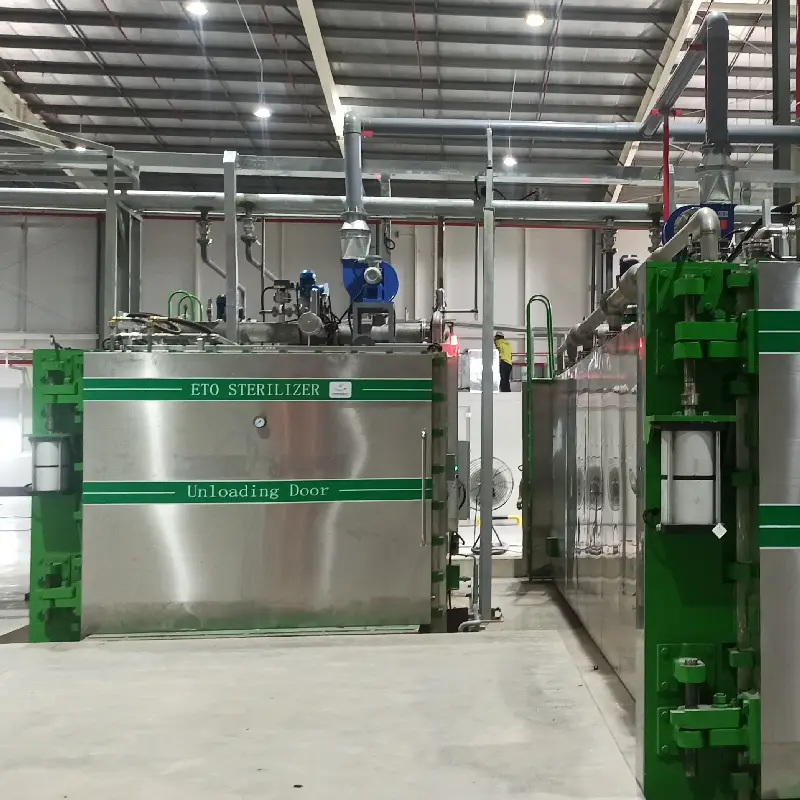
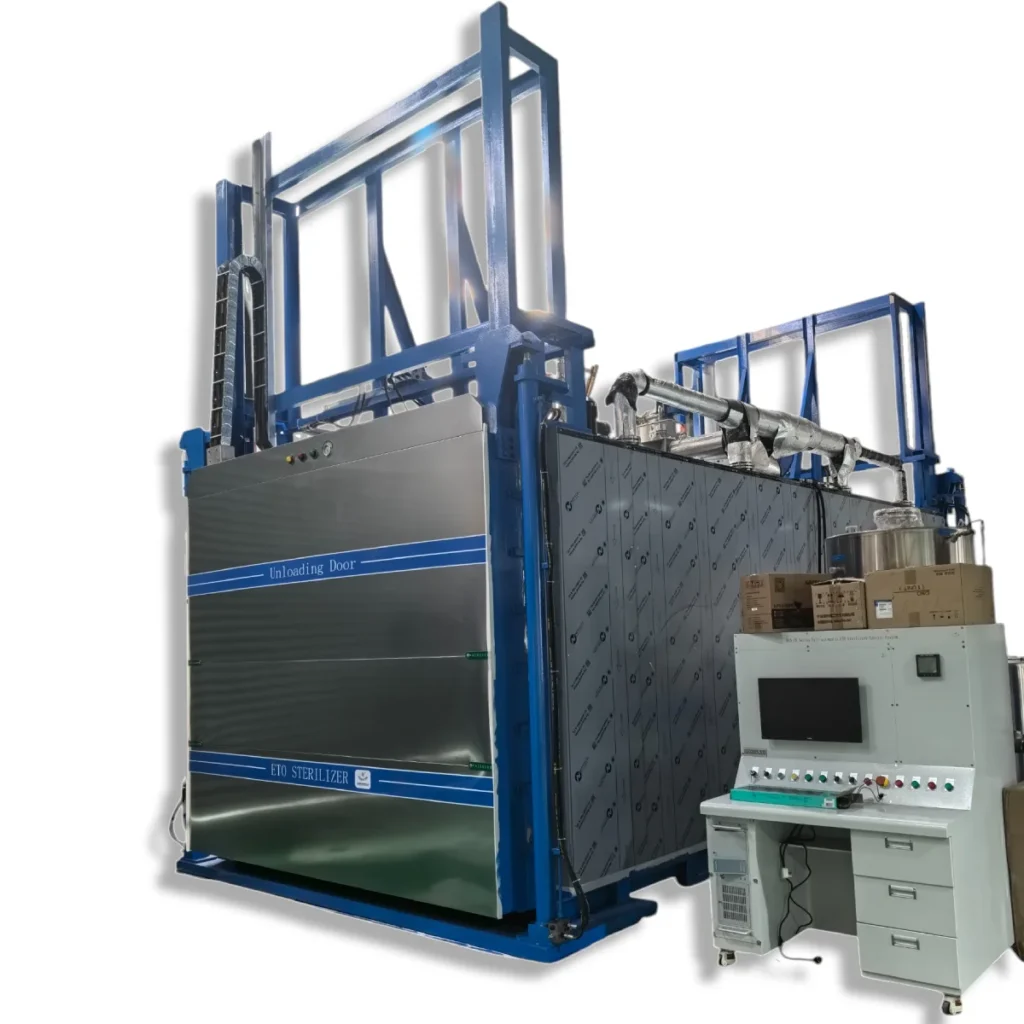
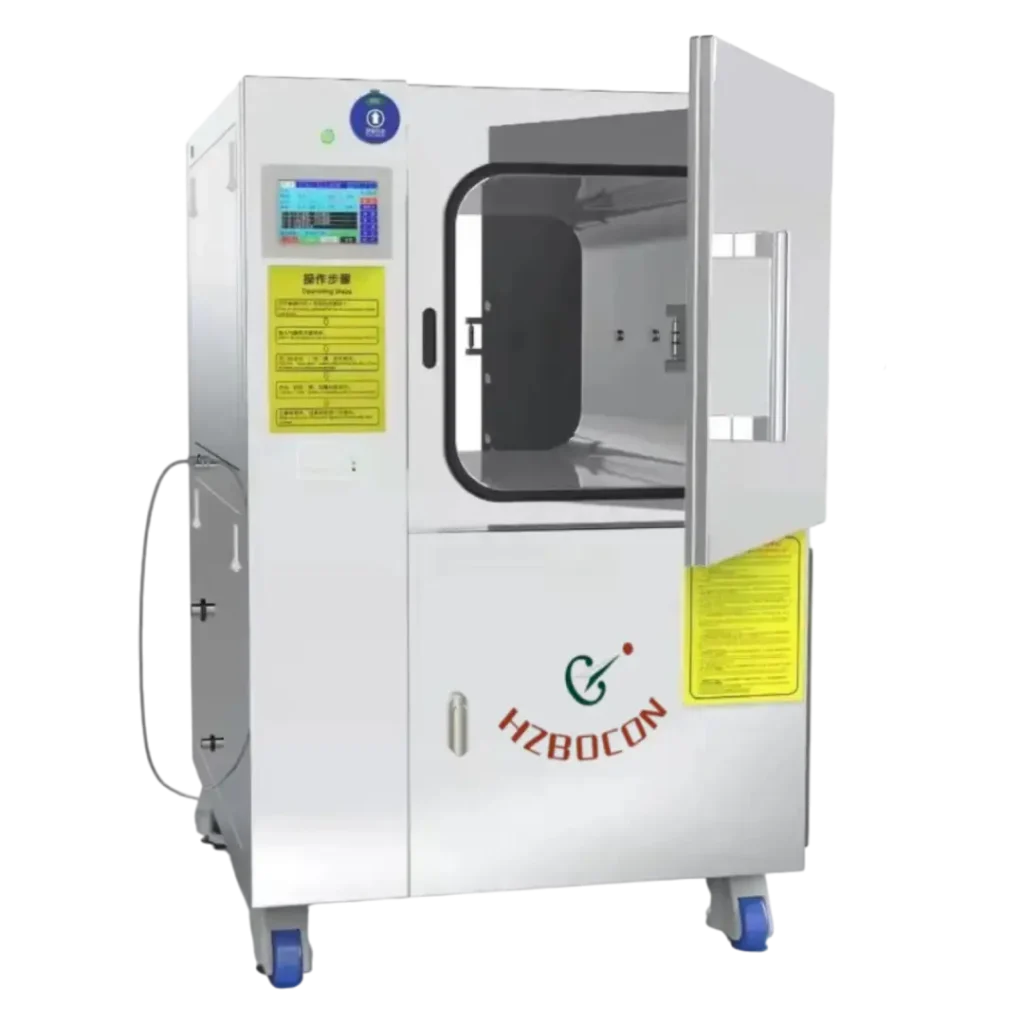
Un Stérilisateur ETO (Stérilisateur à l'oxyde d'éthylène) est un équipement spécialisé conçu pour les industries de la santé et pharmaceutique. Il utilise de l'oxyde d'éthylène gazeux comme agent principal pour éliminer tous les micro-organismes des dispositifs et fournitures médicaux sensibles aux températures élevées ou à l'humidité., comme les cathéters, stimulateurs cardiaques, et optique chirurgicale.
Le cycle de stérilisation ETO
Le processus de stérilisation suit une séquence rigoureuse d'étapes pour garantir à la fois une stérilité absolue et la sécurité de l'utilisateur.. Voici les cinq étapes clés d’un cycle ETO:
01. Préconditionnement
Les articles sont chauffés et humidifiés jusqu'à un point de consigne spécifique (généralement dans la chambre ou dans une pièce séparée) préparer les micro-organismes à l’exposition aux gaz.
02. Pré-vide
Le système évacue l'air de la chambre pour créer un environnement sous vide, garantir que le gaz ETO peut pénétrer profondément dans les lumières complexes du dispositif.
03. Injection d'OE
De l'oxyde d'éthylène gazeux est injecté, souvent mélangé à des gaz inertes comme Azote ou CO2 pour éliminer le risque d'explosion.
04. Exposition
Les produits restent dans l'environnement gazeux pendant une durée prédéterminée. Cette durée varie en fonction de la densité du matériau et du niveau d'assurance de stérilité requis. (SAL).
05. Aération
Le gaz résiduel est extrait par des lavages d'air et des cycles de vide répétés. L’augmentation des températures accélère l’élimination de l’EO des emballages et des matériaux des produits.
Personnalisé pour vos besoins
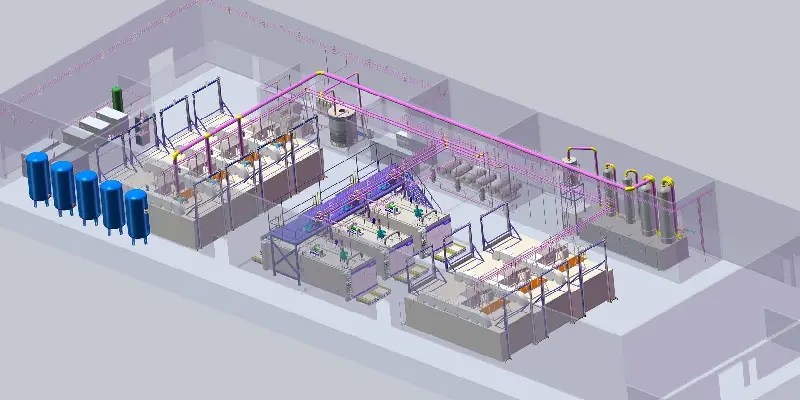
Le temps et l'efficacité de la stérilisation dépendent en grande partie de votre produit spécifique, le mélange gazeux utilisé, et si vous utilisez un monocanal ou double canal système. BOCON propose une gamme de modèles allant des unités compactes de 78 L aux grands systèmes industriels de 900 L (Série BCS) pour s'adapter à différentes échelles de production.
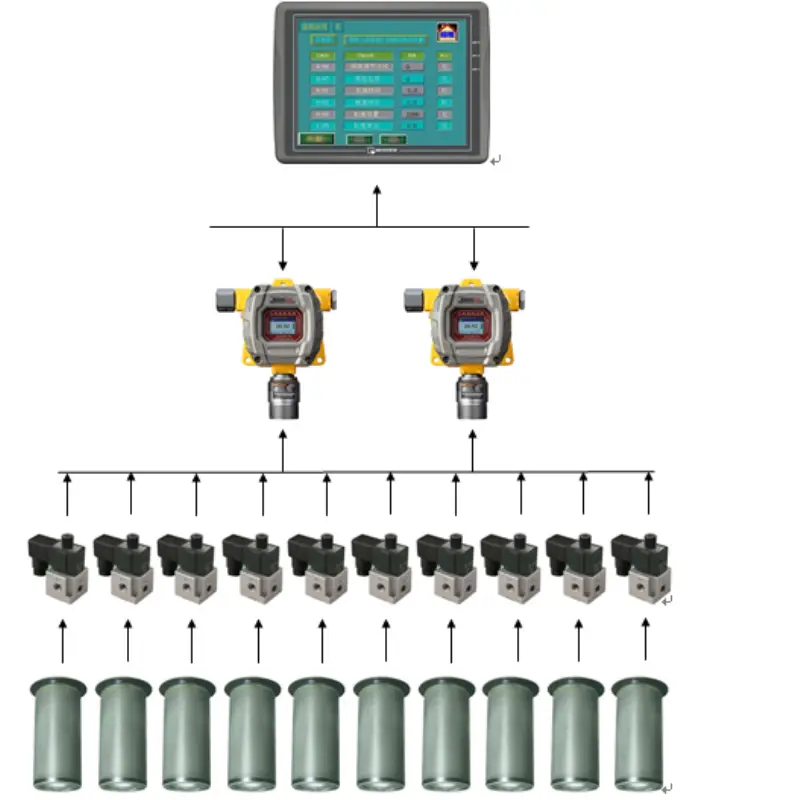
Découvrez le système de détection EO de haute précision de BOCON pour la sécurité des ateliers. Avec PEL & Capteurs LIE, interrogation de la pompe d'échantillonnage, et une surveillance rentable.…
Explorez le large champ d'application de la stérilisation EO pour les dispositifs médicaux, endoscopes, et instruments de précision. Découvrez pourquoi l'oxyde d'éthylène est…
OIN 11135:2014 spécifie les exigences pour le développement, validation, et contrôle de routine d'un oxyde d'éthylène (EO) processus de stérilisation à usage médical…
Guide complet des catégories de dispositifs médicaux (Classe I, IIa, IIb, et III). En savoir plus sur les niveaux de risque, classifications réglementaires, et…