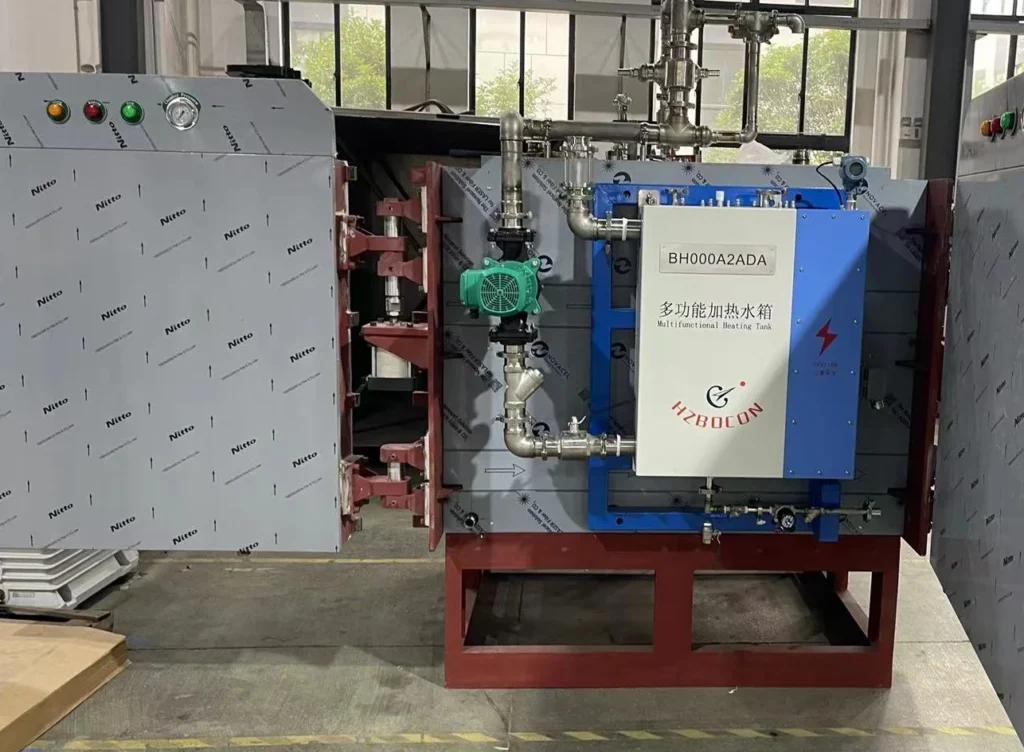
Protección avanzada contra explosiones en óxido de etileno (OE) Procesos de esterilización
1. Concepto de explosión y riesgos en el óxido de etileno (OE) Esterilización
Una explosión ocurre cuando la concentración de una sustancia explosiva mezclada con oxígeno cae dentro de sus límites explosivos y encuentra una fuente de ignición.. Este fenómeno puede provocar una inmensa destrucción.. En el contexto de Óxido de etileno (OE) Esterilización, el “Triángulo de explosión” debe ser estrictamente manejado: Material combustible, oxidante, y fuente de ignición (Punto de inflamabilidad).
2. Estándares de cumplimiento para óxido de etileno (OE) Equipo de esterilización
Todos los equipos eléctricos a prueba de explosiones utilizados para Óxido de etileno (OE) Esterilización debe cumplir estrictamente con las regulaciones nacionales e internacionales:
- ES 3836-2021: Atmósferas explosivas (Equivalente a IEC 60079:2017, IDT).
- ES 50058-2014: Código para el diseño de instalaciones eléctricas en ambientes peligrosos explosivos..
3. Clasificación de áreas peligrosas para el óxido de etileno (OE) Esterilización
Durante el diseño de un Óxido de etileno (OE) Esterilización instalación, Los lugares peligrosos se clasifican en tres zonas según la frecuencia y duración de la aparición de mezclas de gases explosivos.:
- Zona 0: Presencia continua o aparición prolongada de mezclas de gases explosivos. (p.ej., el espacio sobre el nivel del líquido dentro de un tanque de EO).
- Zona 1: Es probable que se produzcan mezclas de gases explosivos durante el funcionamiento normal. (p.ej., cerca de válvulas de alivio en Óxido de etileno (OE) Esterilización cámaras).
- Zona 2: Es poco probable que se produzcan mezclas de gases explosivos durante el funcionamiento normal., o si lo hacen, sólo existirá por un corto período.
4. Interpretación de marcas a prueba de explosiones
Dentro de los parámetros técnicos de los equipos utilizados para Óxido de etileno (OE) Esterilización, Las marcas Ex específicas indican cumplimiento. Estos símbolos certifican que el producto está diseñado para funcionar de forma segura en entornos de alto riesgo. Óxido de etileno (OE) Esterilización zonas.
5. Estructuras a prueba de explosiones para óxido de etileno (OE) Ambientes de esterilización
Tipos de protección para Óxido de etileno (OE) Esterilización incluir: A prueba de fuego (d), Mayor seguridad (mi), Seguridad intrínseca (i), Presurizado (pag), sumergido en aceite (oh), Lleno de arena (q), y encapsulado (metro).
5.1 Evolución de los antideflagrantes (d) Estándares
Los últimos estándares para Óxido de etileno (OE) Esterilización Los equipos clasifican las estructuras ignífugas como:
- y: Adecuado para zona 0 (p.ej., sensores catalíticos en detectores portátiles).
- base de datos: El tipo ignífugo estándar utilizado en tradicionales. Óxido de etileno (OE) Esterilización configuraciones.
- corriente continua: Adecuado para equipos con contactos de conmutación eléctrica..
5.2 Seguridad intrínseca (ex yo) en óxido de etileno (OE) Esterilización
Seguridad intrínseca (ex yo) Previene una explosión limitando la energía eléctrica. (Chispas y efectos térmicos.) producido por un instrumento. en un Óxido de etileno (OE) Esterilización sistema de control, esto se logra a través de barreras de seguridad.
6. Categorías de materiales para óxido de etileno (OE) Esterilización
Las sustancias explosivas se dividen en Clase I. (Metano), Clase II (Gases/vapores), y Clase III (Polvo/Fibras).
Clasificación EO: Para GB 3836-2021, El óxido de etileno es un gas de clase IIB.. Por lo tanto, todos los equipos eléctricos utilizados para Óxido de etileno (OE) Esterilización debe ser calificado como Clase IIB (o Clase IIC, que ofrece un mayor nivel de protección que cubre los requisitos IIB).
7. Grupos de temperatura máxima de superficie
La temperatura superficial máxima de cualquier componente eléctrico dentro del Óxido de etileno (OE) Esterilización La atmósfera siempre debe permanecer por debajo de la temperatura de ignición de la mezcla de gas EO para evitar una combustión accidental..
8. Niveles de protección del equipo (EPL) en entornos EO
EPL define el nivel de mitigación de riesgos para Óxido de etileno (OE) Esterilización equipo:
- Georgia / Mamá / Y: “muy alto” nivel de protección; seguro durante el funcionamiento normal, fallas esperadas, y raras fallas raras.
- GB / megabyte / Db: “Alto” nivel de protección; Seguro durante el funcionamiento normal y fallos esperados..
- gc / Corriente continua: “Normal” nivel de protección; seguro durante el funcionamiento normal del Óxido de etileno (OE) Esterilización proceso.
Asegure su óxido de etileno (OE) Cumplimiento de la esterilización
Asegure su Óxido de etileno (OE) Esterilización El equipo cumple con los últimos GB. 3836 y normas de seguridad IEC.
Reserve una auditoría de seguridad de esterilización con EO