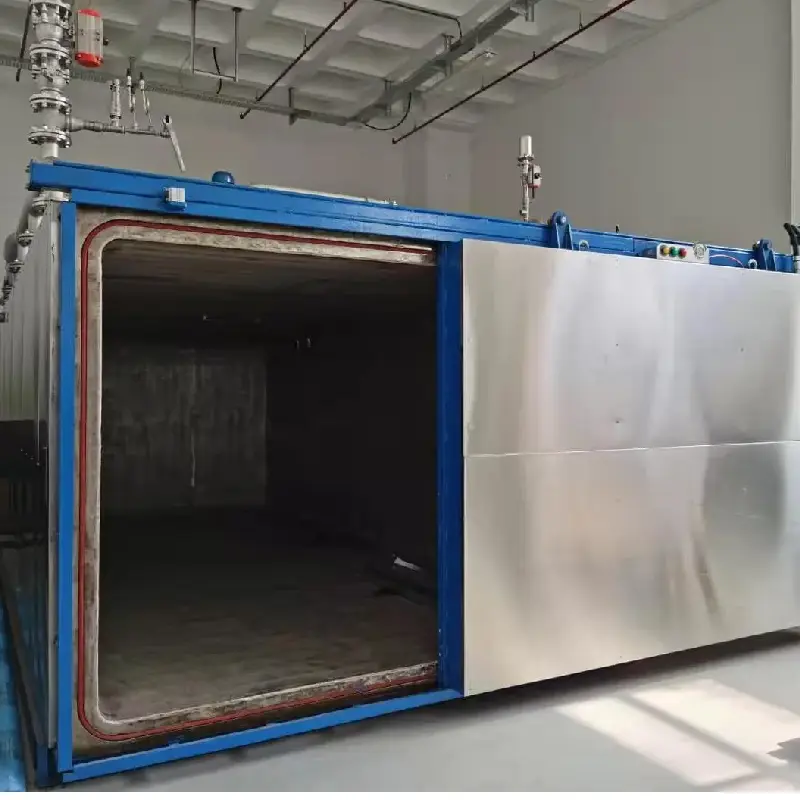
ETO 灭菌常见问题解答: 包装, 验证周期, IPCD & EPCD, and Safety
环氧乙烷 (环氧乙烷) 灭菌涉及包装的复杂相互作用, 负载配置, 循环设计, 和监管合规性. Even experienced professionals encounter questions about best practices during validation and routine operation. This FAQ compiles 16 practical questions and expert answers covering packaging selection, biological indicator placement, cycle sequence, temperature control, aeration room design, 个人防护装备, wastewater treatment, and third-party qualification requirements.
Context: These answers reflect current industry practice and are intended for professionals working with 工业ETO灭菌器系统 that comply with ISO 11135. Always confirm specific requirements with your validation team and applicable regulatory authorities.
包装 & Materials
Which packaging material provides the best sterilization efficacy for medical masks during EO sterilization?
Paper-plastic (Tyvek or medical-grade paper + plastic film) 包装. This combination offers excellent EO gas permeability while maintaining an effective microbial barrier after sterilization.
验证周期 & 生物指标
After a short-cycle confirmation, can the half-cycle use only EPCD without IPCD?
不. The half-cycle must use both IPCD (Internal Process Challenge Device) and EPCD (External Process Challenge Device). Both are required to adequately challenge the sterilization process.
During validation with the bioburden/BI method, what is the ideal test result?
Partial survival of the biological indicator (双) with complete inactivation of the product bioburden. This demonstrates that the cycle provides sufficient lethality with an appropriate safety margin.
During short-cycle and half-cycle validation, must every carton with a surface-attached EPCD also contain an IPCD inside?
不. IPCD and EPCD placement follows specific sampling standards and requirements; it is not necessary to place an IPCD inside every carton that carries an EPCD. Follow the applicable placement protocol defined in your validation plan.
Can EO sterilization validation be performed in the order of full cycle, then short cycle, then half cycle?
不. The correct sequence is short cycle first, then half cycle, and finally full cycle. This order establishes the appropriate exposure parameters progressively.
Equipment Operation & 负载配置
When the sterilization chamber heating time is too long, can the chamber be manually heated to the set temperature during the preheating phase?
是的. Manual preheating to the set temperature during the preheating phase is permissible and can help shorten overall cycle time.
Can the product load during routine sterilization be less than the load validated?
是的, a smaller load is acceptable. Validation is always performed with the maximum (最坏情况) load, so a reduced load remains within the validated envelope.
1) Does validation need to confirm the product’s core temperature, and is there a suitable range? 2) For different product families, how is the worst-case model identified?
1) The cold spot is recommended to reach approximately 40°C, with a minimum requirement of ≥35°C. 2) The most difficult-to-sterilize model is selected as the representative worst-case for that product family.
1) How many samples are needed in performance qualification to support the conclusion? 2) Does routine sterilization require wireless temperature/humidity sensors? 3) What is the acceptable range for load humidity uniformity?
1) Sample size is determined based on company product risk assessment and statistical principles. 2) Wireless sensors are not required for routine sterilization. 3) A humidity uniformity difference of no less than 30% is recommended.
通风 & Post-Sterilization Handling
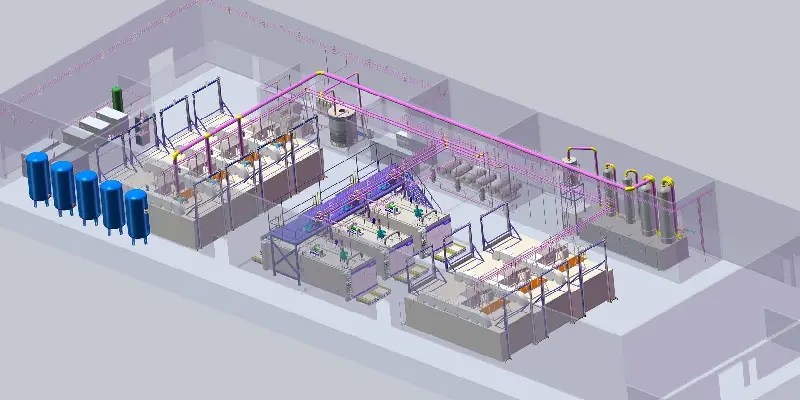
What methods and equipment are used for forced aeration? How should the aeration room be designed and constructed for optimal results?
Heating combined with ventilation is the standard approach. Based on manufacturer experience, a design with air supply from both lower sides and exhaust from the top is generally adopted for improved aeration efficiency.
What PPE should EO sterilization workers wear?
呼吸系统防护 (gas mask or supplied-air respirator) and chemical-resistant gloves are essential. Additional protective clothing may be required depending on exposure risk assessment.
Utilities & 废物管理
Are there water quality requirements for sterilization (例如, tap water vs. purified water)?
Purified water is recommended. Using purified water helps extend the service life of the steam generator by reducing scale buildup and corrosion.
How can EO wastewater be treated conveniently and safely?
Route the wastewater through a gas-water separator, then collect and direct it to a dedicated waste treatment system for safe disposal.
Annual Validation & Reprocessing
1) What factors should be considered when choosing the best month for annual EO validation? 2) If secondary sterilization is needed, what factors affect the product?
1) If refrigerated storage and a forced aeration room are available, seasonal impact is minimal. Otherwise, choose a cooler month to reduce temperature-related variability. 2) Product performance and EO residue levels are the primary factors to evaluate.
Third-Party Qualification & Facility Requirements
What qualifications must a third-party organization have to provide EO sterilization services?
The organization should hold ISO 11135 和ISO 13485 certifications, and its business license scope must explicitly include EO sterilization services.
1) What are the requirements for an EO sterilization workshop? 2) How is the gas recovered after sterilization and aeration?
1) Many requirements apply, including explosion-proof design, fire protection, and general occupational safety considerations. 2) A gas recovery system should be installed to capture and treat residual EO rather than releasing it directly.
Need Expert Support for Your ETO Sterilization Project?
杭州博康提供交钥匙 ETO 灭菌解决方案——从设备设计和验证支持到曝气室工程和合规文档. 联系我们讨论您的要求.
通过 WhatsApp 与我们聊天