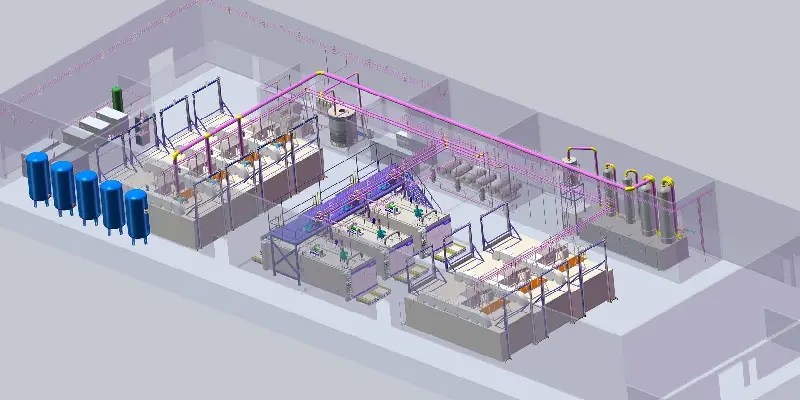
ISO-11135 For ETO Sterilization
What is ISO 11135?
國際標準化組織 11135:2014 specifies requirements for the development, 驗證, and routine control of an ethylene oxide (環氧乙烷) sterilization process for medical devices. This standard applies to both industrial settings and healthcare facilities, acknowledging the critical balance between process efficiency and patient safety.
Implementation of the Sterilization Process
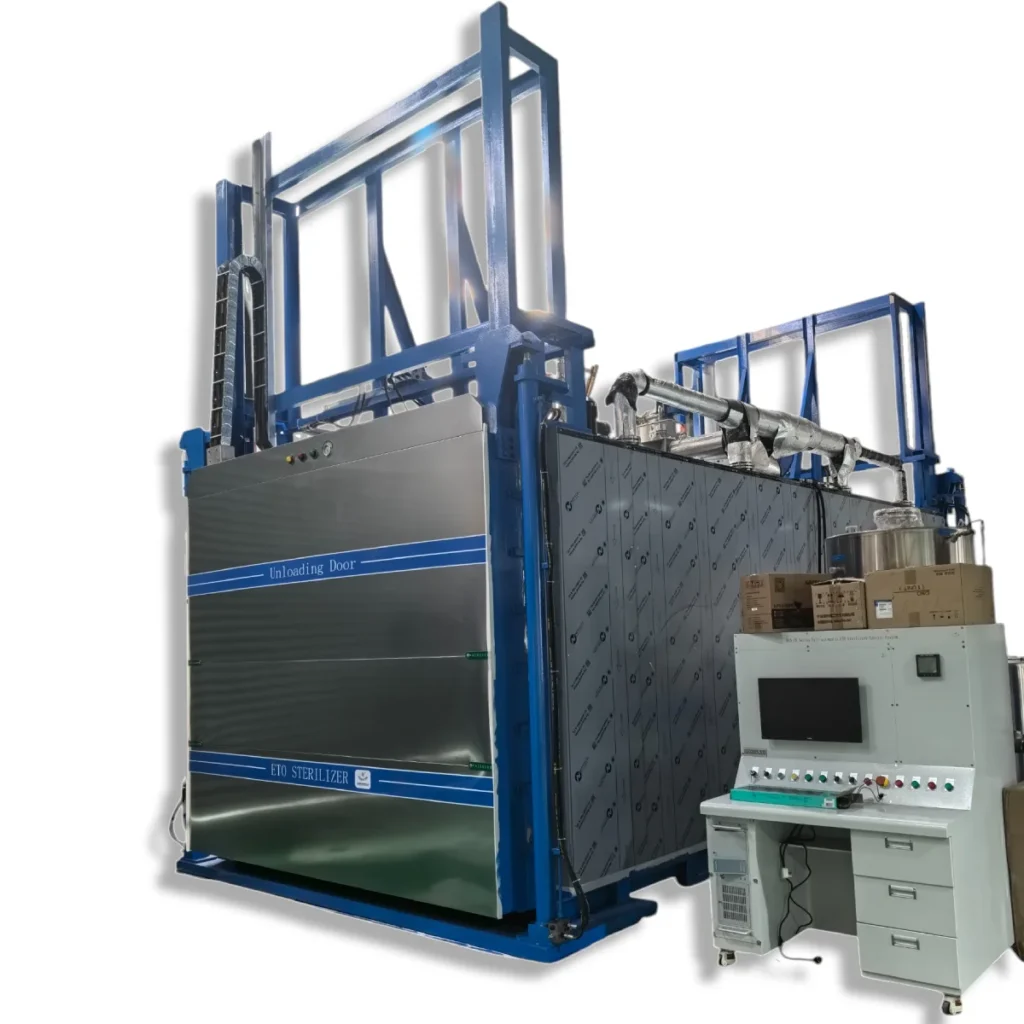
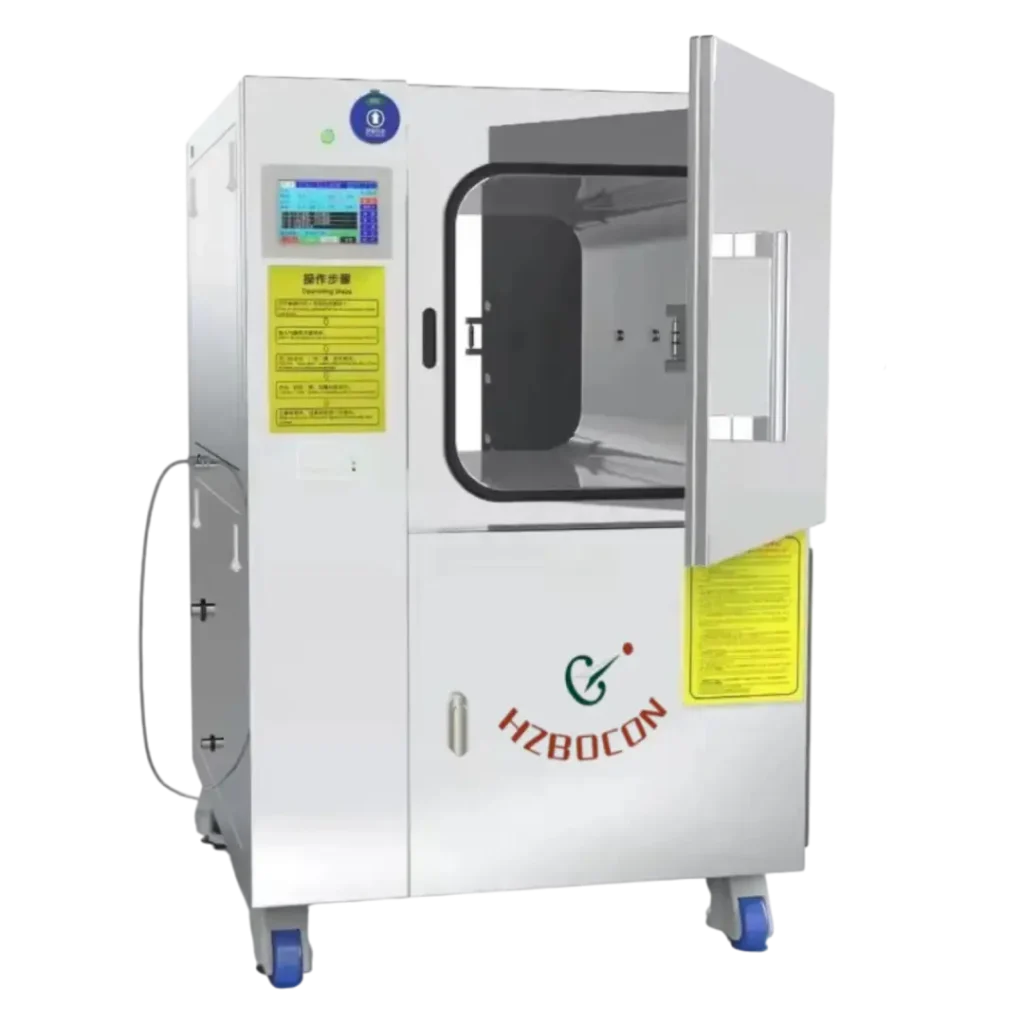
The sterilization process is executed by high-precision ETO Sterilizers installed within a factory or dedicated sterilization station. To ensure maximum safety, the control system is typically installed in a separate room, remotely managing the process based on pre-defined parameters and stringent safety requirements.
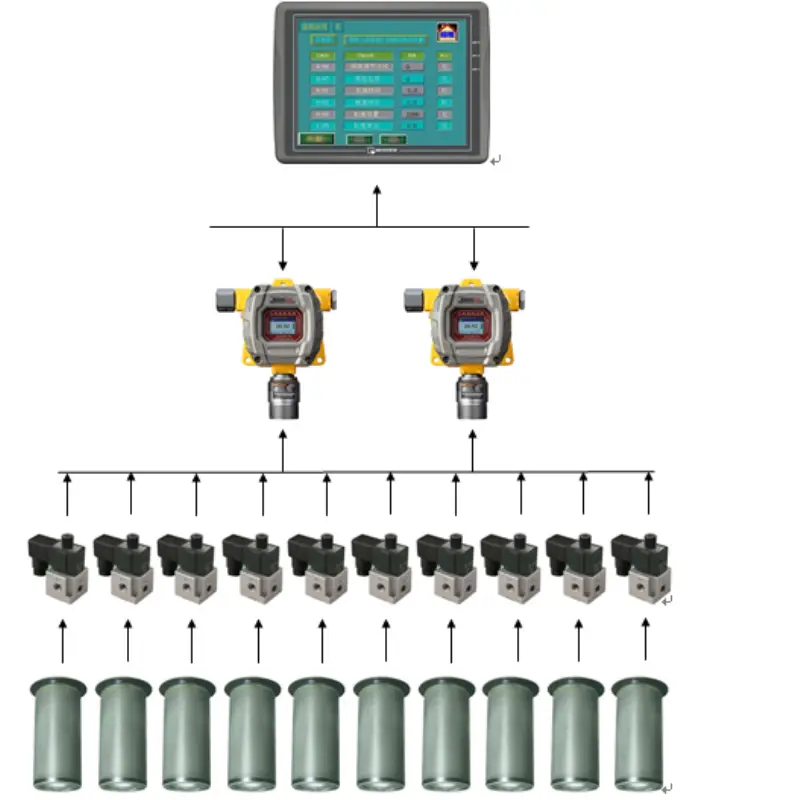
Gas Requirements & Safety
The sterilization agent used is typically Pure Ethylene Oxide (環氧乙烷) mixed with nitrogen or carbon dioxide. At BOCON, we suggest an EO gas percentage of no less than 30% to maintain sterilization efficacy; otherwise, the chamber structure must be significantly strengthened.
- Highly Toxic: Requires strict atmospheric monitoring.
- Flammable: Potentially explosive from 2.6% volume in air.
- Risk Management: Handling, storage, and usage must be managed with extreme care and compliant equipment.
Stages of the ETO Sterilization Process
According to ISO 11135, the ethylene oxide sterilization cycle is divided into three critical stages:
Validation of EO Sterilization (國際標準化組織 11135)
Process Validation is a mandatory requirement to prove the process consistently yields sterile products. It consists of 3 primary stages:
- 智商 (Installation Qualification): Verification that equipment is installed correctly.
- 氧氣質量 (Operational Qualification): Verification that equipment operates within defined limits.
- 質子Q (Performance Qualification): Consisting of MPQ (Microbiological) 和 PPQ (Physical) to demonstrate the process works for your specific product load.