Giải thích về thời hạn sử dụng của gạc vô trùng: EO và tiệt trùng bằng hơi nước, Lão hóa bao bì & Kho lưu trữ tại nhà
Sterile gauze is one of the most common medical consumables found in clinics, first-aid kits, and household cabinets. Yet its shelf life is far more complex than the printed expiration date suggests. The actual usable life of sterile gauze depends on the sterilization method used, the barrier properties of its packaging, and how it is stored. This guide breaks down the differences between ethylene oxide (EO) and steam sterilization, explains how to inspect packaging for aging, and offers practical storage advice for both professional and home environments.
Key Takeaway: An intact package is not automatically a sterile package. Packaging materials degrade over time, and the sterilization method determines what kind of degradation you should be looking for.
Khử trùng bằng oxit ethylene: The Balance Between Efficacy and Chemical Residue
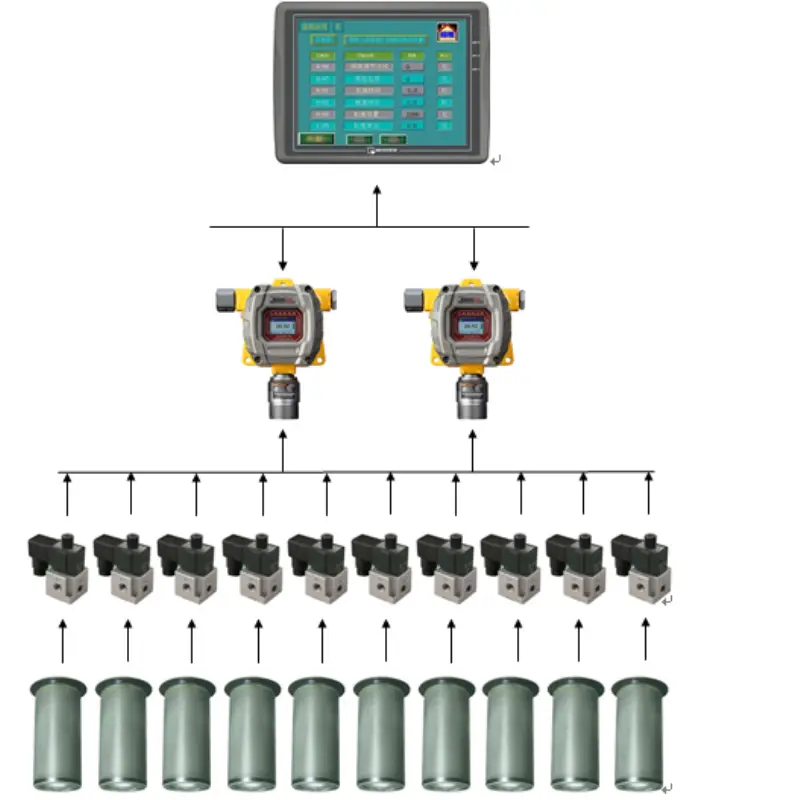
Oxit ethylene (EO) sterilization is a low-temperature chemical process ideal for medical consumables that cannot withstand high heat and pressure. It works through alkylation, disrupting the proteins and nucleic acids of microorganisms to achieve sterilization. The method is powerful and highly penetrating, which makes it suitable for complex or heat-sensitive products — including many types of gauze and wound care items processed through industrial ETO sterilizer systems.
Tuy nhiên, there is a critical detail that is often overlooked: residual EO and the aeration process. EO gas is toxic, so after sterilization, products must undergo a strict aeration phase to allow residual gas to dissipate to safe levels. This is why EO-sterilized products often carry specific透气 (breathable) packaging markings or ventilation instructions.
If the storage environment has poor ventilation, or if the packaging material’s permeability degrades over time, the theoretical safety margin can be compromised. One of the most important lessons from field inspections is this: never rely on smell to judge safety. The human perception threshold for low-concentration EO is inconsistent, and inhaling it is itself a risk. The correct approach is visual:
- Check for abnormal packaging inflation, which may indicate incomplete gas evacuation or microbial gas production inside.
- Confirm that the chemical indicator strip on the outer packaging has changed to the correct color.
For general users, the most practical way to mitigate chemical risk is to choose reputable brands and strictly follow the “ventilate before use” recommendation on the packaging. Placing the gauze in a well-ventilated area for a short period before use is a sensible precaution. Remember: any doubt about package integrity should be treated as a failure of sterility.
Khử trùng bằng hơi nước: Physical Limits and Packaging Aging
Compared to chemical sterilization, high-temperature steam (autoclave) sterilization is a purely physical battle. Saturated steam releases latent heat at high temperatures to rapidly kill microorganisms. The biggest advantage of this method is the absence of chemical residue, making it more user-friendly for the human body. Tuy nhiên, the high-temperature, high-humidity environment places significant stress on both gauze fibers and packaging materials.
Over time, packaging materials that have undergone repeated high-temperature processing may experience slight aging of their polymer structure, leading to reduced barrier performance. This means that while the gauze itself may not be damaged, cái “armor” protecting it may have become brittle. A simple test can reveal this: take two packages of steam-sterilized gauze from different years and gently flex them. The older package’s outer paper-plastic composite film often produces a crisper sound — a clear signal of material aging. Vì thế, for steam-sterilized products, beyond checking the date, you should look for signs of yellowing, brittleness, or delamination in the packaging.
So sánh: EO vs Steam Sterilization for Sterile Gauze
| Comparison Dimension | Oxit ethylene (EO) Khử trùng | High-Temperature Steam Sterilization |
|---|---|---|
| Sterilization Principle | Chemical alkylation reaction | Physical high-temperature, high-pressure steam |
| Main Advantages | Suitable for heat-sensitive materials, strong penetration | No chemical residue, low cost |
| Potential Risks | Gas residue requires aeration, toxicity control needed | High temperature may affect fiber strength |
| Packaging Requirements | Must be breathable to facilitate aeration | Must have high barrier properties against moisture |
| Storage Focus | Good ventilation, avoid gas accumulation | Dry environment, prevent packaging aging |
| Inspection Focus | Abnormal inflation, indicator color change | Yellowing, brittleness, delamination of packaging |
How to Check Sterile Gauze Packaging for Aging
Whether the gauze was sterilized with EO or steam, the packaging is the primary barrier against recontamination. Here are the key visual and tactile checks you can perform:
- Inflation or puffiness: A package that appears bloated may indicate gas production inside or a compromised seal.
- Discoloration: Yellowing or browning of paper or film layers often signals oxidation or heat damage.
- Brittleness: If the film crackles loudly when flexed or feels stiff, the polymer structure has likely degraded.
- Delamination: Separation between the paper and plastic layers destroys the sterile barrier.
- Indicator verification: Chemical indicator strips must show the correct color change for the sterilization method used.
- Seal integrity: Look for wrinkles, channels, or incomplete seals along the edges.
Home Storage Guide for Sterile Gauze
Proper storage can significantly extend the practical usability of sterile gauze, even if the printed expiration date has not yet passed. Follow these guidelines:
- Choose a cool, dry, well-ventilated location. Avoid bathrooms, kitchens, and basements where humidity fluctuates.
- Keep away from direct sunlight. UV radiation accelerates polymer degradation in packaging films.
- Do not compress or fold packages tightly. Mechanical stress can create micro-cracks in the sterile barrier.
- Store in original packaging. Never transfer gauze to unsterile containers for long-term storage.
- Inspect periodically. Check for any of the aging signs listed above, even if the expiration date is still valid.
- Discard any package with compromised integrity. When in doubt, throw it out — sterility cannot be visually confirmed once the barrier is breached.
Câu hỏi thường gặp
Q: The packaging looks intact but it expired two months ago. Can I still use it in an emergency?
MỘT: Not recommended. Expiration means the manufacturer no longer guarantees sterility or packaging integrity. Microorganisms may have penetrated through microscopic cracks, or the bioburden in a non-sterile state may have exceeded safe limits. In a true emergency with no other options, it could be used only for cleaning non-open wounds as a辅助 measure, and medical attention should be sought promptly.
Q: How should I store sterile gauze at home to extend its shelf life?
MỘT: Keep it in a cool, dry, and well-ventilated place away from direct sunlight and moisture. Never store it in bathrooms or kitchens where humidity is high. Periodically check the packaging for damage, moisture, or discoloration. If any abnormality is found, discard it regardless of the expiration date.
Q: Does EO-sterilized gauze require special handling before use?
MỘT: Đúng. It is advisable to open the outer packaging and let the gauze sit in a well-ventilated area briefly to allow any trace residual gas to dissipate. Specific instructions vary by brand, so always refer to the product insert for the manufacturer’s aeration recommendations.
Looking for Reliable ETO Sterilization Equipment?
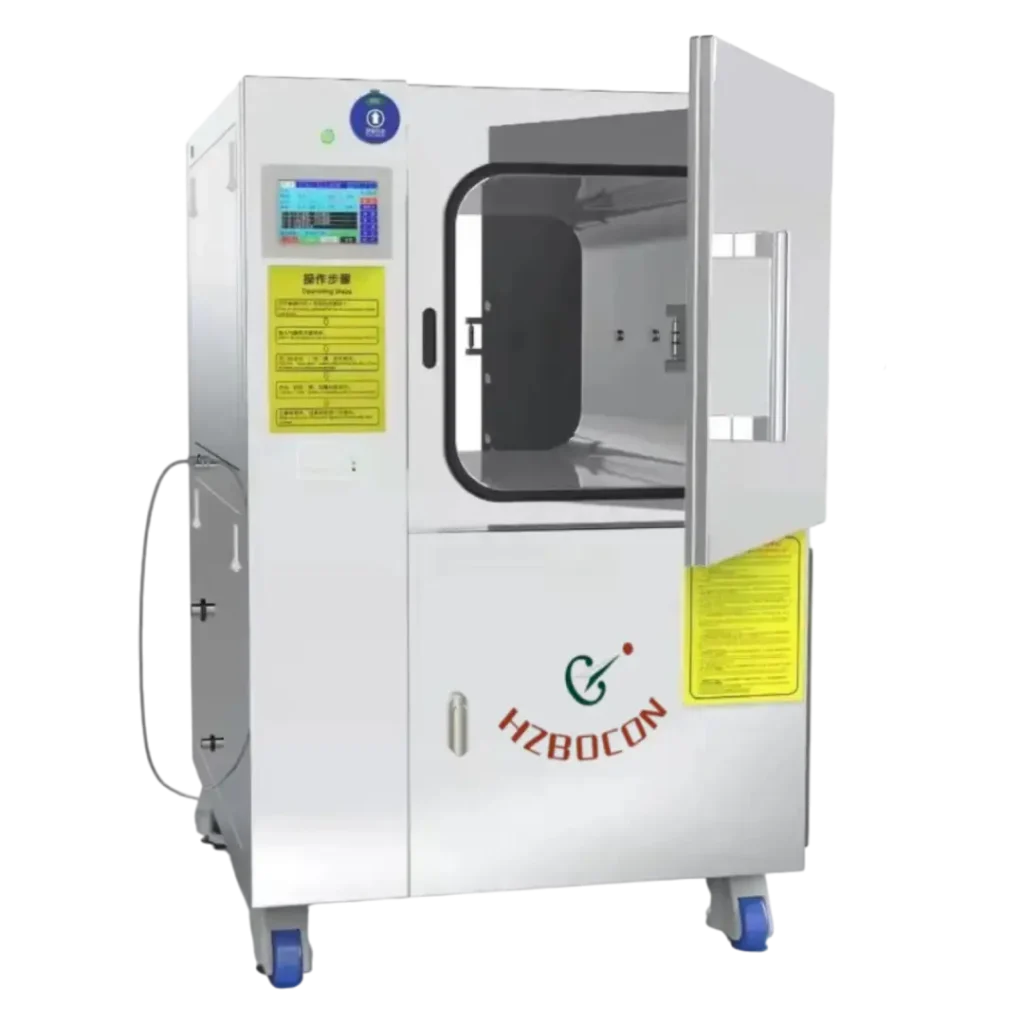
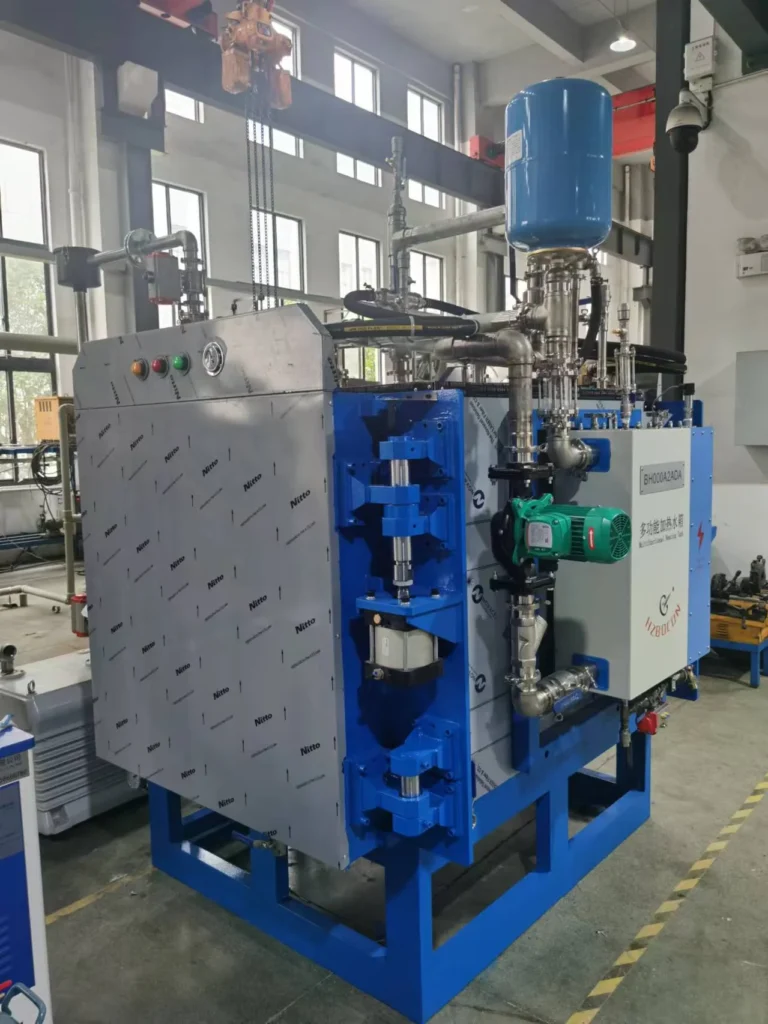
Hangzhou Bocon designs and manufactures industrial ETO sterilizers with precise aeration control and validated residue management — ensuring your medical consumables meet the highest safety standards.
Trò chuyện với chúng tôi trên WhatsApp