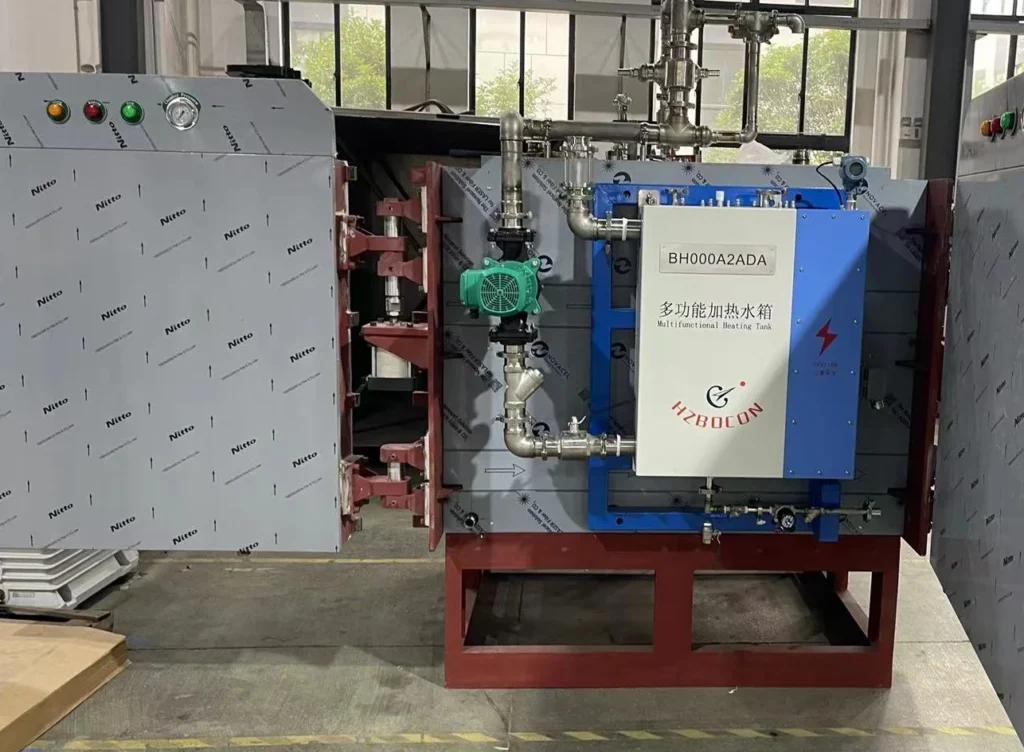
Advanced Explosion Protection in Ethylene Oxide (อีโอ) Sterilization Processes
1. แนวคิดการระเบิดและความเสี่ยงในเอทิลีนออกไซด์ (อีโอ) การทำหมัน
An explosion occurs when the concentration of an explosive substance mixed with oxygen falls within its explosive limits and encounters an ignition source. This phenomenon can lead to immense destruction. In the context of เอทิลีนออกไซด์ (อีโอ) การทำหมัน, ที่ “Explosion Triangle” must be strictly managed: Combustible Material, Oxidizer, and Ignition Source (Flash Point).
2. Compliance Standards for Ethylene Oxide (อีโอ) Sterilization Equipment
All explosion-proof electrical equipment used for เอทิลีนออกไซด์ (อีโอ) การทำหมัน must strictly adhere to international and national regulations:
- กิกะไบต์ 3836-2021: Explosive atmospheres (Equivalent to IEC 60079:2017, IDT).
- กิกะไบต์ 50058-2014: Code for design of electrical installations in explosive hazardous environments.
3. Hazardous Area Classification for Ethylene Oxide (อีโอ) การทำหมัน
During the design of an เอทิลีนออกไซด์ (อีโอ) การทำหมัน facility, hazardous locations are categorized into three zones based on the frequency and duration of the appearance of explosive gas mixtures:
- Zone 0: Continuous presence or long-term appearance of explosive gas mixtures (เช่น, the space above the liquid level inside an EO tank).
- Zone 1: Explosive gas mixtures are likely to occur during normal operation (เช่น, near relief valves on เอทิลีนออกไซด์ (อีโอ) การทำหมัน ห้อง).
- Zone 2: Explosive gas mixtures are unlikely to occur in normal operation, or if they do, will only exist for a short duration.
4. Interpretation of Explosion-proof Markings
Within the technical parameters of equipment used for เอทิลีนออกไซด์ (อีโอ) การทำหมัน, specific Ex-markings indicate compliance. These symbols certify that the product is engineered to operate safely within high-risk เอทิลีนออกไซด์ (อีโอ) การทำหมัน zones.
5. Explosion-proof Structures for Ethylene Oxide (อีโอ) Sterilization Environments
Protection types for เอทิลีนออกไซด์ (อีโอ) การทำหมัน รวม: Flameproof (ง), Increased Safety (จ), Intrinsic Safety (i), Pressurized (p), Oil-immersed (o), Sand-filled (q), และ Encapsulated (m).
5.1 Evolution of Flameproof (ง) มาตรฐาน
The latest standards for เอทิลีนออกไซด์ (อีโอ) การทำหมัน equipment classify flameproof structures as:
- da: Suitable for Zone 0 (เช่น, catalytic sensors in portable detectors).
- db: The standard flameproof type used in traditional เอทิลีนออกไซด์ (อีโอ) การทำหมัน setups.
- dc: Suitable for equipment with electrical switching contacts.
5.2 Intrinsic Safety (Ex i) in Ethylene Oxide (อีโอ) การทำหมัน
Intrinsic safety (Ex i) prevents an explosion by limiting the electrical energy (sparks and thermal effects) produced by an instrument. In an เอทิลีนออกไซด์ (อีโอ) การทำหมัน control system, this is achieved through safety barriers.
6. Material Categories for Ethylene Oxide (อีโอ) การทำหมัน
Explosive substances are divided into Class I (Methane), Class II (Gases/Vapors), and Class III (Dust/Fibers).
EO Classification: Per GB 3836-2021, Ethylene Oxide is a Class IIB gas. ดังนั้น, all electrical equipment used for เอทิลีนออกไซด์ (อีโอ) การทำหมัน must be rated as Class IIB (or Class IIC, which offers a higher protection level covering IIB requirements).
7. Maximum Surface Temperature Groups
The maximum surface temperature of any electrical component within the เอทิลีนออกไซด์ (อีโอ) การทำหมัน atmosphere must always remain below the ignition temperature of the EO gas mixture to prevent accidental combustion.
8. Equipment Protection Levels (EPL) in EO Environments
EPL defines the level of risk mitigation for เอทิลีนออกไซด์ (อีโอ) การทำหมัน equipment:
- Ga / Ma / Da: “Very High” protection level; safe during normal operation, expected faults, and rare rare faults.
- Gb / Mb / Db: “สูง” protection level; safe during normal operation and expected faults.
- Gc / Dc: “Normal” protection level; safe during normal operation of the เอทิลีนออกไซด์ (อีโอ) การทำหมัน process.
Secure Your Ethylene Oxide (อีโอ) Sterilization Compliance
Ensure your เอทิลีนออกไซด์ (อีโอ) การทำหมัน equipment meets the latest GB 3836 and IEC safety standards.
Book an EO Sterilization Safety Audit