
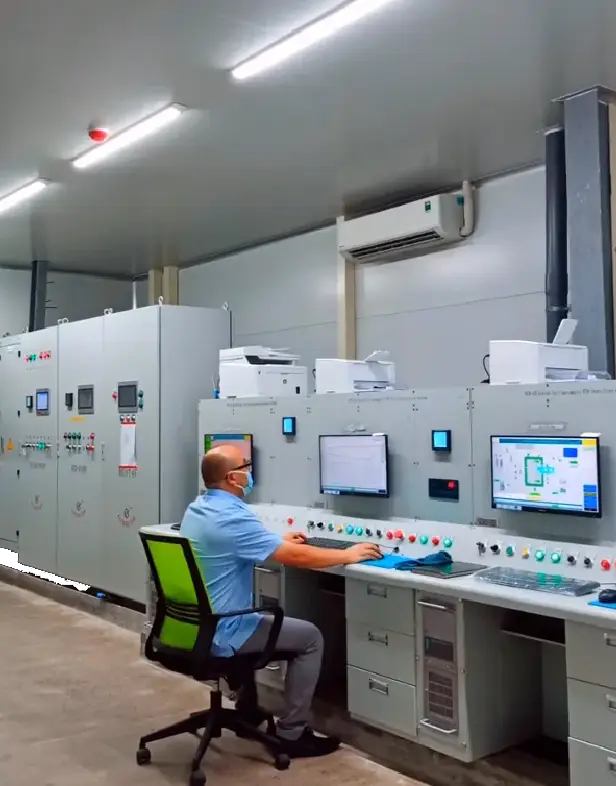
Monitoring Of ETO Sterilizer
Effective monitoring of the Ethylene Oxide (ETO) sterilization process is essential to guarantee the safety of medical devices. A robust quality control system integrates physical, chemical, and biological indicators to ensure every batch meets international sterility assurance levels.
1. Physical Monitoring
- Continuous recording of Temperature (37-55℃).
- Pressure and Humidity (40%-60%RH) monitoring.
- Exposure time (1-3h) and aeration/exhaust time (up to 12h) tracking.
- Compliance with equipment operation manuals.
2. Chemical Monitoring
- External indicators on every package to confirm process exposure.
- Internal indicator cards placed in the “most-difficult-to-sterilize” locations.
- Verification of color change (typically from Brown to Green).
3. Biological Monitoring
- Performed for every sterilization batch.
- Utilizes Bacillus stearothermophilus spore variants.
- Indicators are cultured immediately post-cycle.
- The gold standard for determining absolute sterilization efficacy.
4. Post-sterilization Treatment
Once the cycle is complete, strict handling protocols must be followed to maintain sterility:
1
Integrity Check: Inspect every package for damage or seal failure. Any compromised packaging is considered a sterilization failure.
2
Indicator Verification: Confirm that both external labels and internal cards have reached the required color endpoint.
3
Documentation: Print, save, and archive all sterilization records for regulatory traceability.
4
Aseptic Storage: Store items on specialized shelves in sterile areas. Release items only after all monitoring results are qualified.
5
Secure Transport: Use clean, sealed containers during distribution to prevent environmental re-contamination.