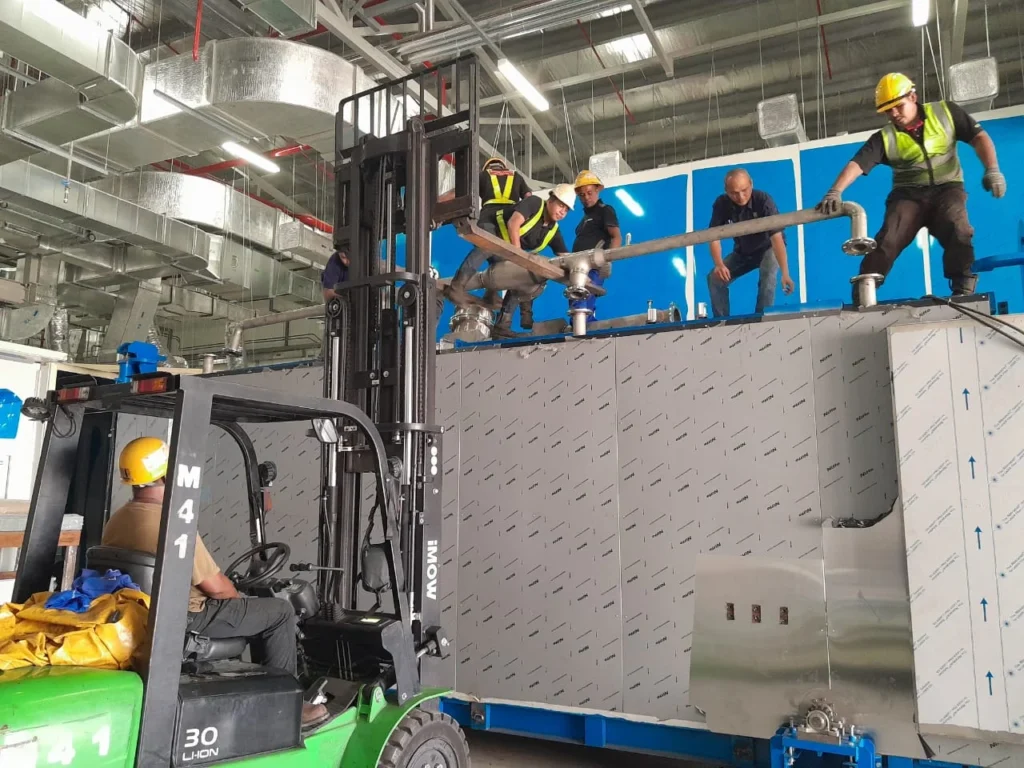
Panduan Pemilihan dan Konfigurasi Teknikal Langkah demi Langkah untuk Sistem Pensteril EtO
Pelan tindakan kejuruteraan untuk mengira kapasiti, memilih parameter, dan mereka bentuk bengkel pensterilan peranti perubatan yang mematuhi sepenuhnya.
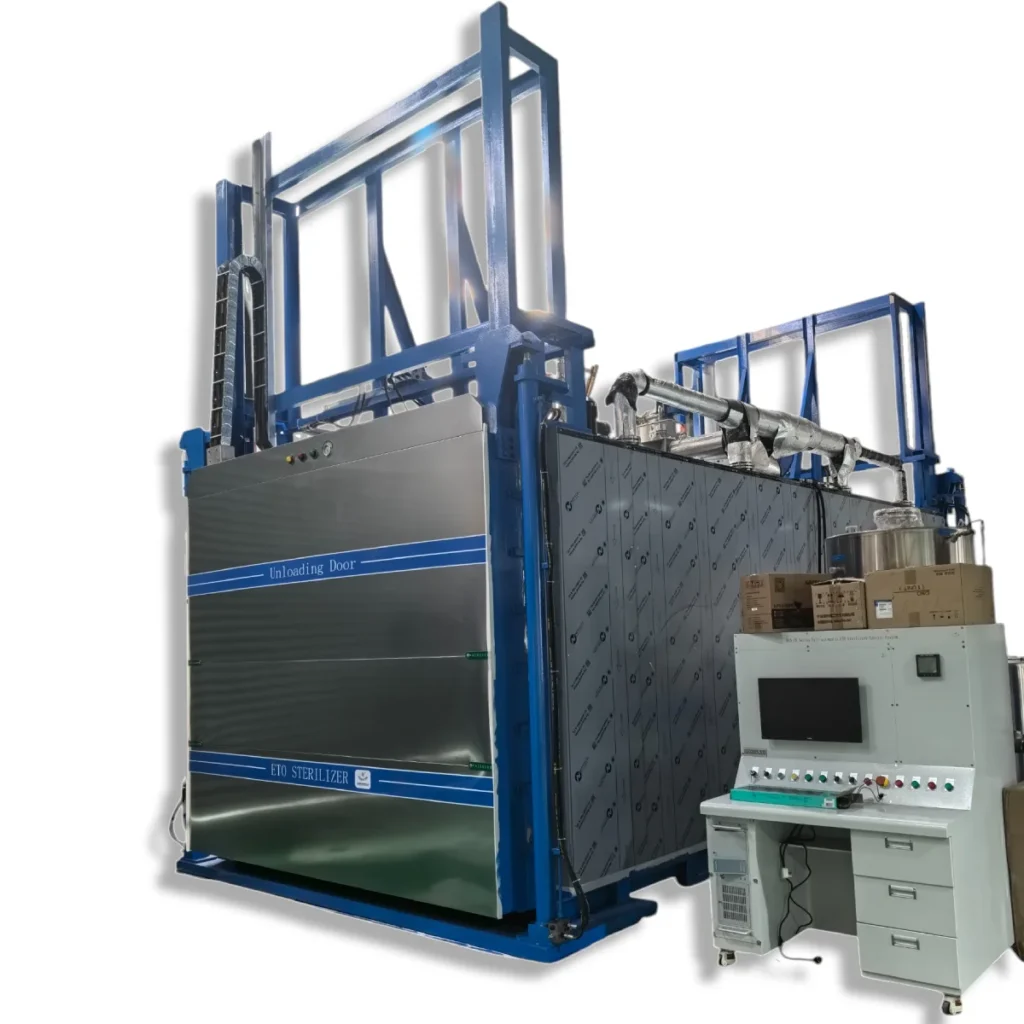
Melaksanakan industri mesin pensteril EtO industri memerlukan penilaian kejuruteraan yang teliti. Daripada mengira kapasiti pemuatan mentah kepada mewujudkan kawalan keselamatan loji berbilang lapisan, setiap fasa menentukan kecekapan pengeluaran dan pematuhan peraturan. Panduan teknikal yang komprehensif ini menggariskan langkah-langkah kritikal yang diperlukan untuk mengkonfigurasi loji pensterilan EtO industri dengan jayanya.
Langkah 1. Kira Kapasiti Kebuk Pensteril
Saiz garis dasar pensteril industri bergantung sepenuhnya pada permintaan pemprosesan harian anda dan geometri pembungkusan:
- Faktor Pemuatan Volumetrik: Kecekapan pemuatan sebenar kebuk pensteril Etilena Oksida adalah lebih kurang 70% disebabkan oleh jurang aliran udara dan kedudukan palet. Contohnya, satu piawaian 10 pensteril meter padu diproses dengan berkesan 7 meter padu produk perubatan yang dibungkus setiap kelompok.
- Dinamik Telus Kitaran: Larian pensterilan kimia yang lengkap biasanya mengambil masa 8 kepada 10 jam. Akibatnya, kemudahan yang diurus dengan betul boleh mencapai dua kitaran pensterilan lengkap setiap hari. Ambil perhatian bahawa tempoh pensterilan yang tepat ditentukan oleh Kelayakan Prestasi (PQ) protokol pengesahan.
- Piawaian Dimensi Pallet: Trek panduan lantai ruang dan dimensi dalaman direka bentuk di sekitar palet rantaian bekalan setempat. Konfigurasi standard industri menggunakan dimensi seperti 800mm × 1200mm, 1000mm × 1200mm, atau 1100mm × 1100mm.
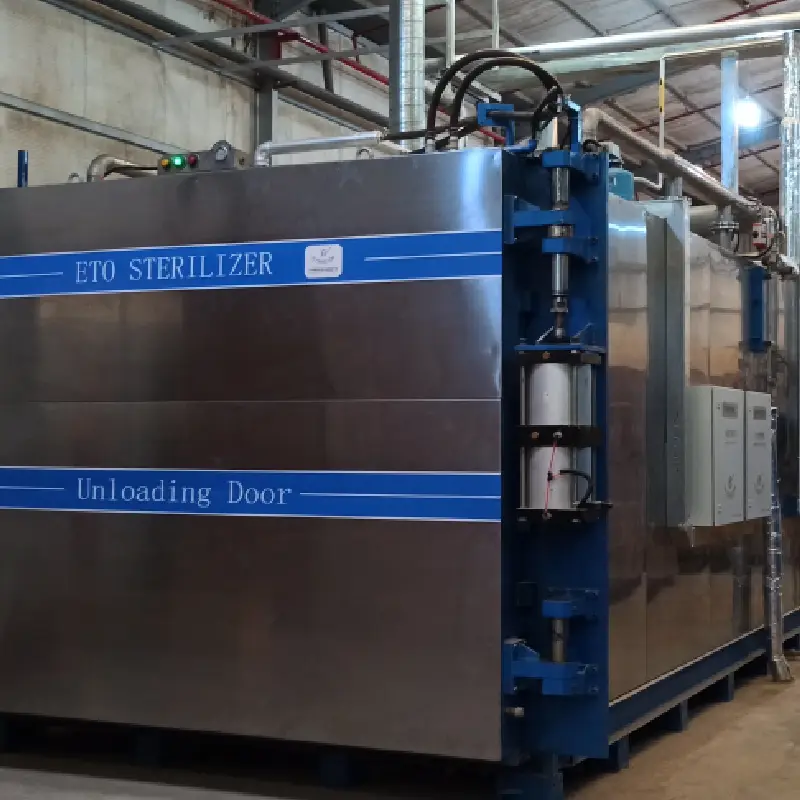
Langkah 2. Tentukan Fungsi Teknikal dan Konfigurasi Pensteril EtO
Sebaik sahaja jejak ruang anda dikunci masuk, mekanikal teras, pengendalian gas, dan parameter elektrik mesti ditentukan berdasarkan kriteria proses:
A. Padanan Infrastruktur Elektrik
Grid pengagihan kuasa industri berbeza mengikut pasaran geografi. Sistem kawalan mesti digulung dan diperakui agar sepadan dengan utiliti tempatan, dengan pilihan standard termasuk 380V/50Hz, 380V/60Hz, 415V/50Hz, atau 440V/60Hz. Transformer penstabilan voltan boleh disepadukan untuk kemudahan dengan bekalan elektrik yang tidak stabil.
B. Peratusan Kepekatan Gas Etilena Oksida
Pilihan kepekatan steril aktif sangat bergantung pada rintangan kimia produk, ketersediaan gas tempatan, dan penyumberan pembekal gas:
- Tulen vs. Sistem Gas Campuran: Peralatan boleh dikonfigurasikan untuk 100% EO tulen, atau disesuaikan untuk dicairkan, campuran gas tidak mudah terbakar seperti 90%EO+10%CO2, 80%EO+20%CO2, 70%EO+30%CO2, 30%EO+70%CO2, 20%EO+80%CO2, atau 10%EO+90%CO2.
- Implikasi Proses: Kepekatan gas yang lebih rendah secara semula jadi memerlukan tekanan kerja yang lebih tinggi untuk mencapai pemindahan jisim maut yang setara, yang mengubah penarafan tekanan ruang yang diperlukan tetapi boleh memendekkan masa pengudaraan selepas kitaran.
- Keperluan Selimut Nitrogen: Proses menggunakan kepekatan gas aktif di atas 80% mewajibkan penyepaduan sistem suntikan nitrogen untuk mengekalkan sempadan keselamatan, memerlukan penjana nitrogen luaran khusus. Operasi industri standard selalunya termasuk dalam 70% kepada 30% julat EO.
C. Sempadan Alam Sekitar (Kelembapan & Julat Suhu)
- Kawalan Kelembapan: Sampul sistem lalai beroperasi antara 30%RH dan 80%RH. Peranti perubatan khusus, seperti jahitan pembedahan yang boleh diserap atau tidak boleh diserap, memerlukan iklim mikro yang disesuaikan menggunakan pam vakum kering yang dipasangkan dengan selimut nitrogen berat untuk menyekat kelembapan overhed.
- Julat Suhu: Jaket pemanasan struktur mengawal keadaan dalaman merentasi garis dasar standard 30°C hingga 55°C, dengan siling pemprosesan maksimum terhad di bawah 58°C.
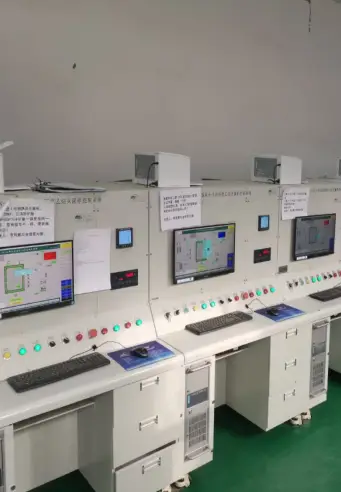
D. Seni Bina Mekanikal & Bahan Penahanan
- Mekanik Pintu: Konfigurasi akses dipilih berdasarkan sekatan susun atur loji dan ketersediaan ruang lantai. Pilihan termasuk pintu gelangsar (yang memerlukan jarak bengkel sisi yang lebih luas), pintu pusingan, atau pintu angkat menegak (direka bentuk untuk meminimumkan jejak lantai di kemudahan siling tinggi). Sistem boleh ditentukan sebagai reka bentuk laluan satu pintu atau dua pintu.
- Bahan Jaket Air Chamber: Untuk menjamin pengaliran haba jangka panjang dan mengelakkan kerosakan jaket, pemilihan bahan struktur termasuk Keluli Karbon (menawarkan hayat perkhidmatan melebihi 20 tahun), atau peringkat tinggi 201 Keluli Tahan Karat dan 304 Keluli Tahan Karat (memanjangkan jangka hayat operasi seterusnya 30 tahun).
E. Pematuhan Peraturan, Keluaran Parameter, dan Alat tambah Khusus
Untuk kemudahan berprestasi tinggi yang beralih ke arah keluaran parametrik dan bukannya Penunjuk Biologi tradisional (BI) pengeraman, yang mesin pensteril EtO industri menggabungkan penderia dalaman terpencil sekunder untuk kepekatan gas langsung dan pengesahan kelembapan dalaman. Untuk memastikan pematuhan penuh dengan standard global yang ketat seperti FDA 21 Bahagian CFR 11, sistem menyepadukan peti keselamatan gagal automatik berikut:
- PC Industri Bantu (Sandaran IPC): Menghapuskan risiko kehilangan data semasa komunikasi masa jalan jatuh.
- Pemantauan Kepekatan Dalam Talian: Analisis masa nyata berterusan tahap gas di dalam kapal.
- Seni Bina Vakum Berlebihan: Gelung pam vakum sandaran sekunder untuk pengekstrakan kecemasan.
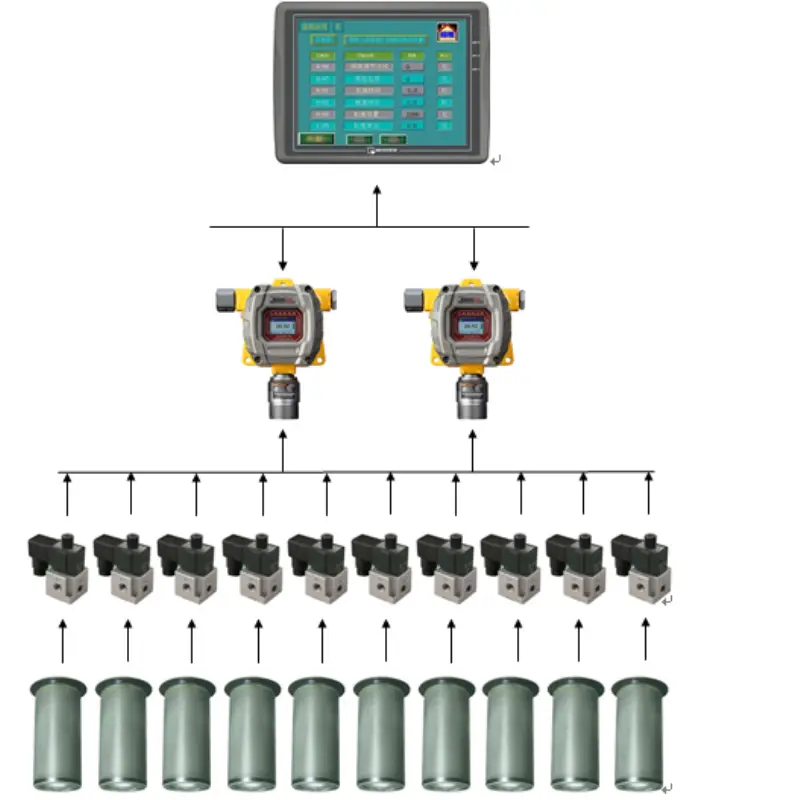
- Tatasusunan Keselamatan Gas Ambien: Pemantauan gas kemudahan bersepadu persampelan sehingga 8 titik perimeter bengkel yang berbeza.
- Peranti Penghantar Automatik: Di kawasan di mana kod perlindungan pekerjaan pekerja melarang kemasukan ke dalam vesel pemprosesan kimia, mekanisme penghantar dalaman automatik memuat dan memunggah produk dengan selamat tanpa pengendalian manual.

Langkah 3 & 4. Proses Penyahgandingan: Prasyarat dan Reka Bentuk Pengudaraan
Kitaran pensterilan industri memerlukan tiga fasa termodinamik yang berbeza: pemanasan/pelembapan, pendedahan gas, dan penyahgas sisa. Ini boleh berlaku dalam satu ruang bersatu atau dipisahkan merentasi bilik yang berbeza untuk memaksimumkan penggunaan peralatan:
Langkah 3. Bilik Prasyarat
Sel prakondisi yang berasingan memanaskan dan melembapkan produk sebelum ia memasuki pensteril utama. Langkah ini membolehkan ruang pensteril memfokus secara eksklusif pada pendedahan gas aktif, memendekkan jumlah masa kitaran kapal secara drastik. Tanpa sel prasyarat, produk mesti melalui fasa penyediaan ini terus di dalam bekas pensteril utama.
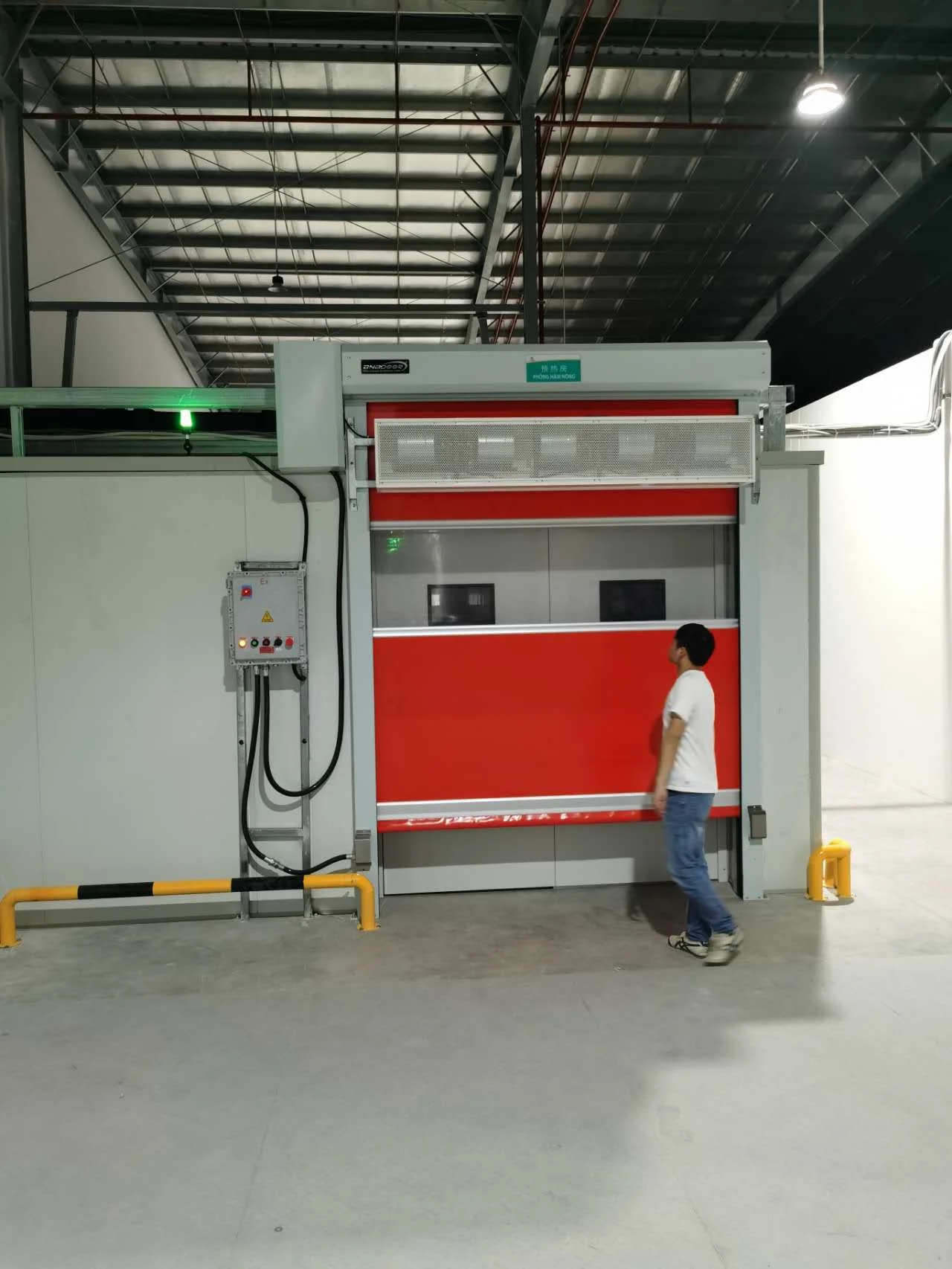
Langkah 4. Pengudaraan (Menyahgas) Bilik
Selepas pendedahan, sisa molekul gas mesti menyahserap daripada matriks produk sehingga ia jatuh ke bahagian-per-juta yang selamat (ppm) peringkat. Piawaian kawal selia global menentukan bahawa kepekatan gas sisa akhir tidak boleh melebihi 10ppm (10µg/g) pada masa penghantaran kilang. Tiga laluan proses boleh mencapai matlamat ini:
- Pilihan A (Bilik Pengudaraan Khusus): Produk dipindahkan ke tempat terpencil, sel penyahgas yang dipanaskan untuk 1 kepada 2 hari. Konfigurasi ini amat disyorkan untuk produk pengekalan tinggi seperti picagari perubatan, kateter penggunaan berpanjangan, dan sarung tangan pembedahan.
- Pilihan B (Pengudaraan Dalam-situ Bilik): Pengekstrakan sisa berlaku terus di dalam ruang pensteril utama. Walaupun sangat selamat, kaedah ini memegang produk di dalam kapal untuk 24 jam atau lebih lama, memerlukan jumlah volum pensteril yang diperluaskan untuk memenuhi kuota keluaran loji.
- Pilihan C (Pengudaraan Gudang Asli): Menyimpan produk dalam zon gudang terbuka yang mempunyai pengudaraan yang baik untuk tempoh desorpsi semulajadi 14 kepada 20 hari. Kaedah ini membawa risiko kawalan kualiti yang tinggi mengenai kepekatan sisa yang tidak teratur.
Langkah 5 & 6. Utiliti dan Infrastruktur Pengurangan
Langkah 5. Integrasi Penjana Nitrogen
Nitrogen ketulenan tinggi menjalankan dua peranan proses yang penting: membersihkan lembapan daripada bungkusan sensitif lembapan dan melengahkan persekitaran semasa peralihan gas. Untuk resipi dengan komposisi gas melebihi 80% EO, selimut nitrogen adalah penting untuk mengelakkan campuran bahan letupan daripada terbentuk di dalam bekas tekanan.
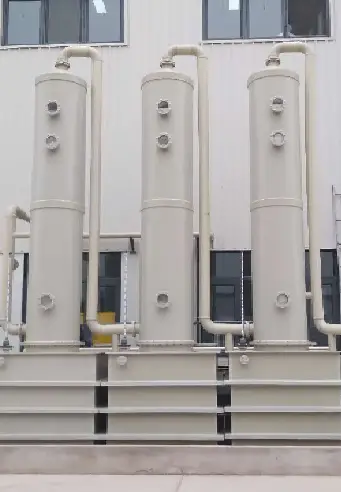
Langkah 6. Sistem Rawatan Gas Sisa EO (Pemangkin / Sistem Scrubber)
Pelepasan alam sekitar mesti melalui peralatan rawatan khusus sebelum pelepasan atmosfera. Sistem penyental basah memanfaatkan pertalian semula jadi Etilena Oksida untuk dicampur dengan air. Di bawah keadaan berasid yang tepat disebabkan oleh mangkin asid sulfurik, gas toksik mengalami hidrolisis kimia untuk membentuk etilena glikol yang stabil, yang kemudiannya dineutralkan dengan alkali kembali kepada pH selamat kira-kira 7.
C₂H₄O + H₂O —→ CH₂OH-CH₂OH
Lajur penyental dibuat menggunakan bahan tahan kakisan berat seperti Polipropilena Homopolimer (PPH), Plastik Bertetulang Gentian (FRP), atau 304 Keluli Tahan Karat. Konfigurasi pelepasan boleh disesuaikan untuk mematuhi sasaran persekitaran setempat, sepadan dengan had global yang ketat seperti 80mg/Nm³ (44ppm), 40mg/Nm³ (22ppm), 5mg/Nm³ (3ppm), atau 1mg/Nm³ (0.5ppm).
Langkah 7. Susun Atur dan Penyediaan Keadaan Bengkel untuk Pensterilan
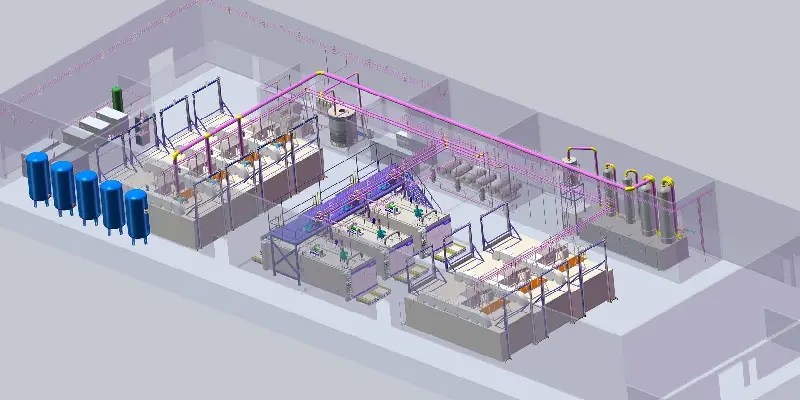
Susun atur struktur kemudahan pensterilan aktif memerlukan pemisahan yang jelas bagi kawasan pemprosesan untuk mematuhi kod pembuatan antarabangsa:
- Peraturan Pengasingan Zon: Kemudahan standard mesti mengekalkan Bilik Simpanan Gas EO terpencil, sebuah Bilik Alat Bantu, dan Bilik Kawalan yang berbeza. Piawaian kawal selia menetapkan bahawa pintu keluar dari Bilik Gas EO utama tidak boleh dibuka terus ke bengkel pemasangan am atau pembuatan.
- Perlindungan Letupan & Pengudaraan: Nyalaan terbuka adalah dilarang sama sekali di seluruh tapak kaki. Bilik gas mesti dilengkapi dengan lekapan lampu kalis letupan khusus, alat suis terpencil, dan kipas pengekstrakan aliran paksi tanpa berkilau khusus diletakkan 300mm hingga 500mm di atas garisan lantai untuk menangkap gas pengendapan berat.
- alam sekitar & Prasyarat Ketinggian: Pelan lantai kemudahan mesti menyediakan ketinggian kelegaan siling minimum mutlak 3000mm. Selain itu, sampul bangunan mesti mengekalkan suhu persekitaran yang stabil melebihi 10°C, memerlukan sistem pemanasan iklim aktif semasa operasi musim sejuk untuk memastikan talian proses yang stabil.
Perkemas Pematuhan Peranti Perubatan Anda Hari Ini
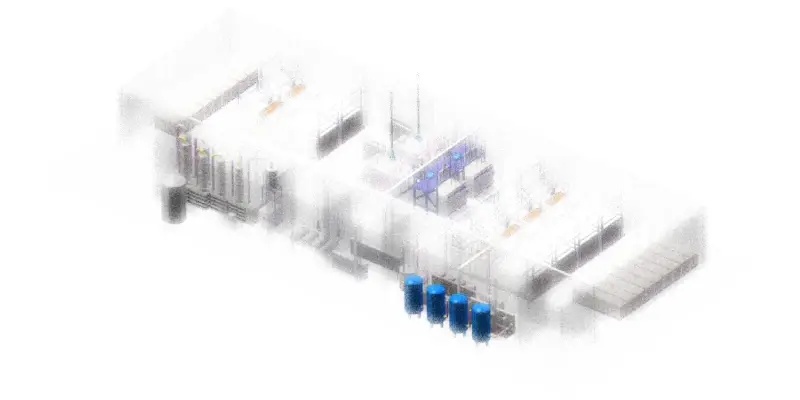
Bersedia untuk mengkonfigurasi ISO 11135 kemudahan patuh? Hubungi pasukan kejuruteraan BOCON untuk mendapatkan susun atur loji 3D tersuai percuma, pengoptimuman proses, dan pelan tindakan sistem struktur turnkey yang disesuaikan dengan barisan pengeluaran perubatan anda.