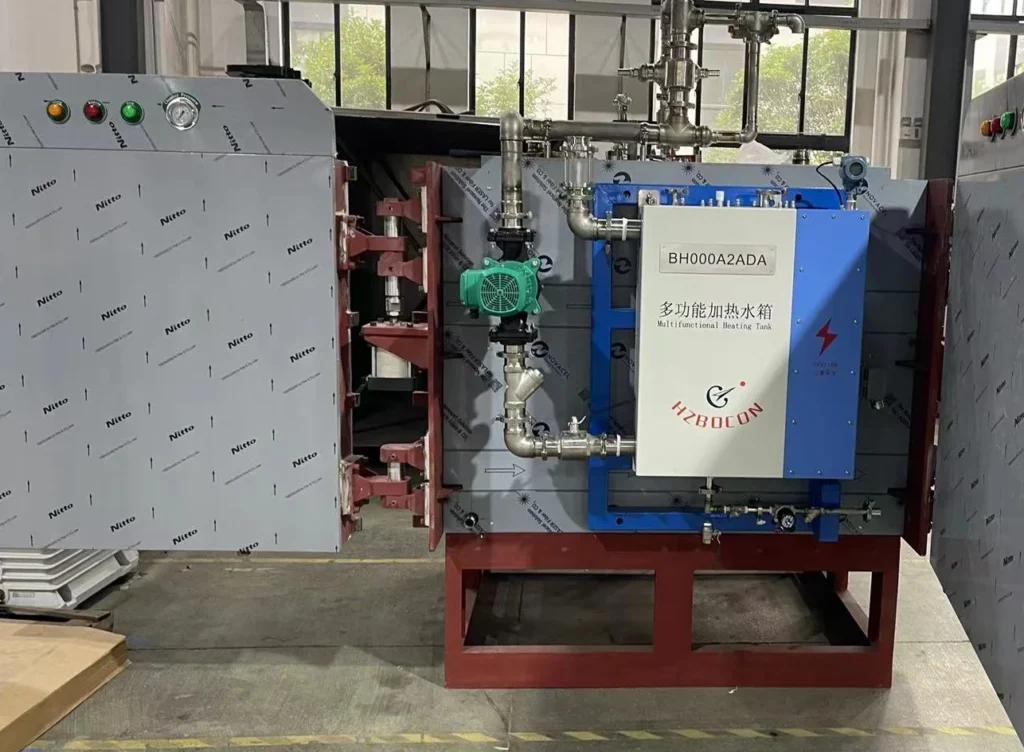
Perlindungan Letupan Lanjutan dalam Etilena Oksida (EO) Proses Pensterilan
1. Konsep Letupan dan Risiko dalam Etilena Oksida (EO) Pensterilan
Letupan berlaku apabila kepekatan bahan letupan bercampur dengan oksigen berada dalam had letupannya dan menemui sumber pencucuhan.. Fenomena ini boleh membawa kepada kemusnahan yang besar. Dalam konteks Etilena Oksida (EO) Pensterilan, yang “Segitiga Letupan” mesti diuruskan dengan ketat: Bahan Mudah terbakar, Pengoksida, dan Sumber Pencucuhan (Titik Kilat).
2. Piawaian Pematuhan untuk Etilena Oksida (EO) Peralatan Pensterilan
Semua peralatan elektrik kalis letupan yang digunakan untuk Etilena Oksida (EO) Pensterilan mesti mematuhi peraturan antarabangsa dan nasional dengan tegas:
- GB 3836-2021: Suasana meletup (Setaraf dengan IEC 60079:2017, IDT).
- GB 50058-2014: Kod untuk reka bentuk pemasangan elektrik dalam persekitaran berbahaya bahan letupan.
3. Klasifikasi Kawasan Berbahaya untuk Etilena Oksida (EO) Pensterilan
Semasa reka bentuk sebuah Etilena Oksida (EO) Pensterilan kemudahan, lokasi berbahaya dikategorikan kepada tiga zon berdasarkan kekerapan dan tempoh penampilan campuran gas meletup:
- Zon 0: Kehadiran berterusan atau penampilan jangka panjang campuran gas mudah meletup (cth., ruang di atas paras cecair di dalam tangki EO).
- Zon 1: Campuran gas meletup berkemungkinan berlaku semasa operasi biasa (cth., berhampiran injap pelega dihidupkan Etilena Oksida (EO) Pensterilan bilik).
- Zon 2: Campuran gas meletup tidak mungkin berlaku dalam operasi biasa, atau jika mereka melakukannya, hanya akan wujud untuk tempoh yang singkat.
4. Tafsiran Tanda-Tanda Kalis Letupan
Dalam parameter teknikal peralatan yang digunakan untuk Etilena Oksida (EO) Pensterilan, tanda-tanda Ex tertentu menunjukkan pematuhan. Simbol-simbol ini memperakui bahawa produk direka bentuk untuk beroperasi dengan selamat dalam keadaan berisiko tinggi Etilena Oksida (EO) Pensterilan zon.
5. Struktur kalis letupan untuk Etilena Oksida (EO) Persekitaran Pensterilan
Jenis perlindungan untuk Etilena Oksida (EO) Pensterilan termasuk: kalis api (d), Peningkatan Keselamatan (e), Keselamatan Intrinsik (i), Bertekanan (hlm), Direndam minyak (o), penuh pasir (q), dan Terkapsul (m).
5.1 Evolusi kalis api (d) Piawaian
Piawaian terkini untuk Etilena Oksida (EO) Pensterilan peralatan mengelaskan struktur kalis api sebagai:
- dan: Sesuai untuk Zon 0 (cth., penderia pemangkin dalam pengesan mudah alih).
- db: Jenis kalis api standard yang digunakan secara tradisional Etilena Oksida (EO) Pensterilan persediaan.
- dc: Sesuai untuk peralatan dengan sesentuh pensuisan elektrik.
5.2 Keselamatan Intrinsik (Cth i) dalam Etilena Oksida (EO) Pensterilan
Keselamatan intrinsik (Cth i) menghalang letupan dengan mengehadkan tenaga elektrik (percikan api dan kesan haba) dihasilkan oleh instrumen. Dalam sebuah Etilena Oksida (EO) Pensterilan sistem kawalan, ini dicapai melalui halangan keselamatan.
6. Kategori Bahan untuk Etilena Oksida (EO) Pensterilan
Bahan letupan dibahagikan kepada Kelas I (Metana), Kelas II (Gas/Wap), dan Kelas III (Habuk/Serat).
Klasifikasi EO: Untuk GB 3836-2021, Etilena Oksida ialah gas Kelas IIB. Oleh itu, semua peralatan elektrik yang digunakan untuk Etilena Oksida (EO) Pensterilan mesti dinilai sebagai Kelas IIB (atau Kelas IIC, yang menawarkan tahap perlindungan yang lebih tinggi meliputi keperluan IIB).
7. Kumpulan Suhu Permukaan Maksimum
Suhu permukaan maksimum mana-mana komponen elektrik dalam Etilena Oksida (EO) Pensterilan atmosfera mesti sentiasa berada di bawah suhu penyalaan campuran gas EO untuk mengelakkan pembakaran tidak sengaja.
8. Tahap Perlindungan Peralatan (EPL) dalam Persekitaran EO
EPL mentakrifkan tahap pengurangan risiko untuk Etilena Oksida (EO) Pensterilan peralatan:
- Ga / Mak / Dan: “Sangat Tinggi” tahap perlindungan; selamat semasa operasi biasa, kesalahan yang dijangkakan, dan kerosakan yang jarang berlaku.
- Gb / Mb / Db: “tinggi” tahap perlindungan; selamat semasa operasi biasa dan jangkaan kerosakan.
- Gc / Dc: “Biasalah” tahap perlindungan; selamat semasa operasi biasa Etilena Oksida (EO) Pensterilan proses.
Selamatkan Etilena Oksida Anda (EO) Pematuhan Pensterilan
Pastikan anda Etilena Oksida (EO) Pensterilan peralatan memenuhi GB terkini 3836 dan piawaian keselamatan IEC.
Tempah Audit Keselamatan Pensterilan EO