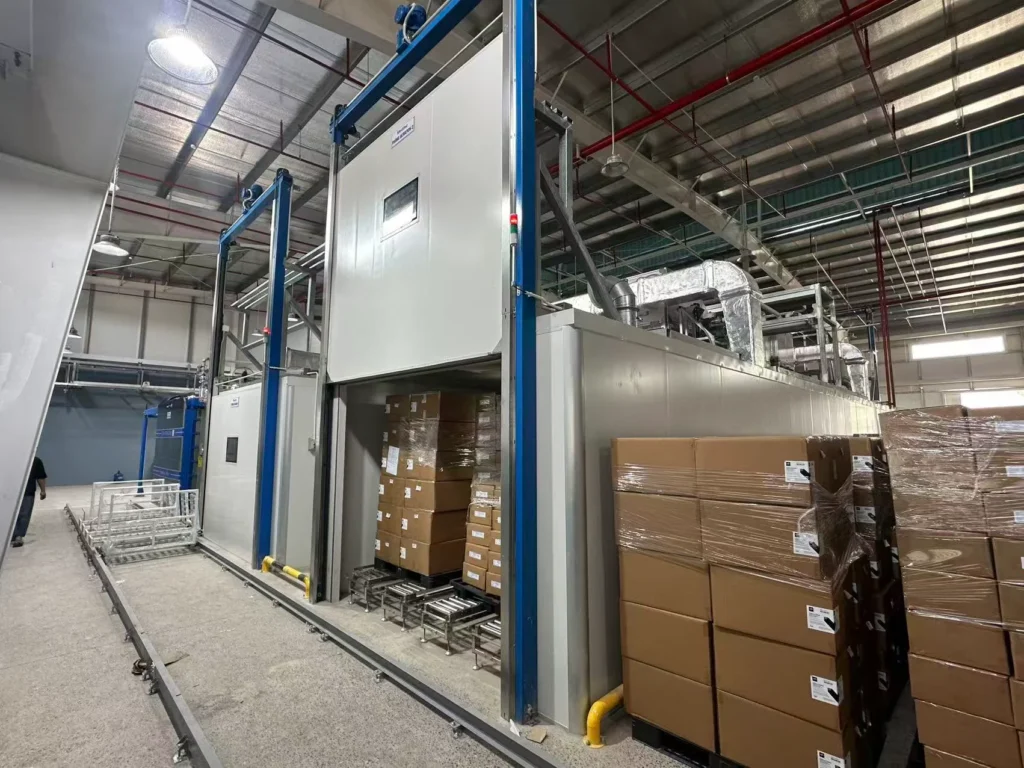
¿Por qué utilizar óxido de etileno? (OE) para Esterilización de dispositivos médicos?
Óxido de etileno (OE) se ha convertido en el estándar de la industria para esterilización a baja temperatura. Su principal ventaja radica en su excepcional compatibilidad con los materiales: puede esterilizar plásticos de forma eficaz., polímeros, rieles, y vidrio sin la degradación estructural causada por el vapor o la radiación de alta temperatura.
El EO funciona a través de una reacción química llamada alquilación. Altera el ADN de las bacterias., virus, y moldes, haciéndolos incapaces de reproducirse. A diferencia de otros métodos, El EO penetra profundamente en geometrías complejas como lúmenes largos y envases de varias capas..
El 4 Factores críticos del diseño de ciclos
Diseñando un exitoso Ciclo de esterilización con OE requiere un delicado equilibrio de cuatro parámetros ajustables:
Validación & Estándares de cumplimiento
Antes de pasar a producción, los fabricantes deben realizar “peor de los casos” Estudios de estabilidad para garantizar que el ciclo no afecte negativamente a los recubrimientos., cautiverio, o funcionalidad. La validación formal debe alinearse con:
- ISO 11135:2014: Esterilización de productos para el cuidado de la salud: óxido de etileno.
- ISO 10993-7:2008: Evaluación biológica de dispositivos médicos. Parte 7: Residuos de esterilización con óxido de etileno.
Control de precisión con la serie BOCON BCS
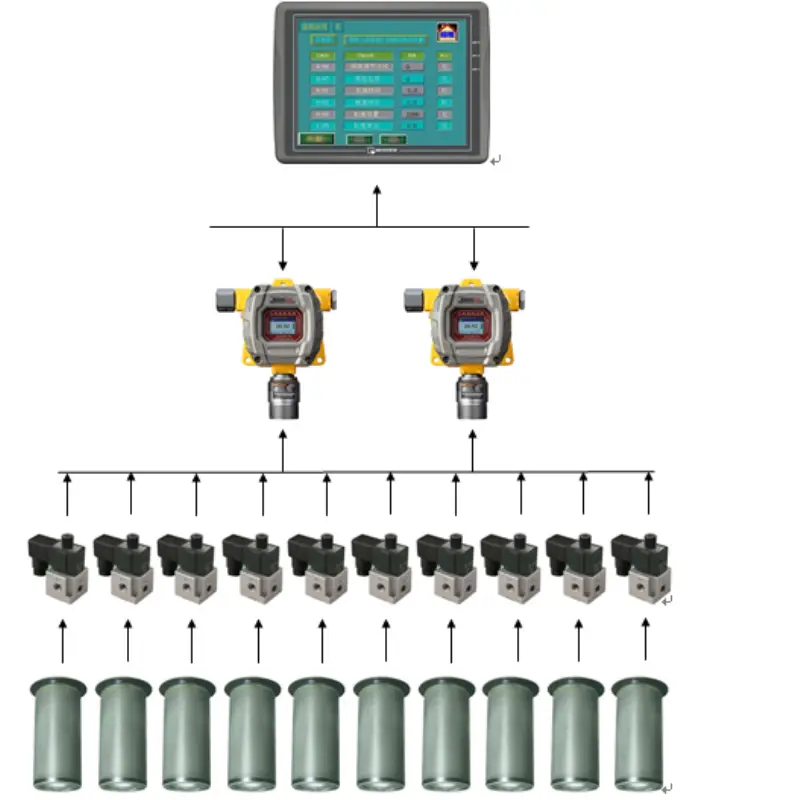
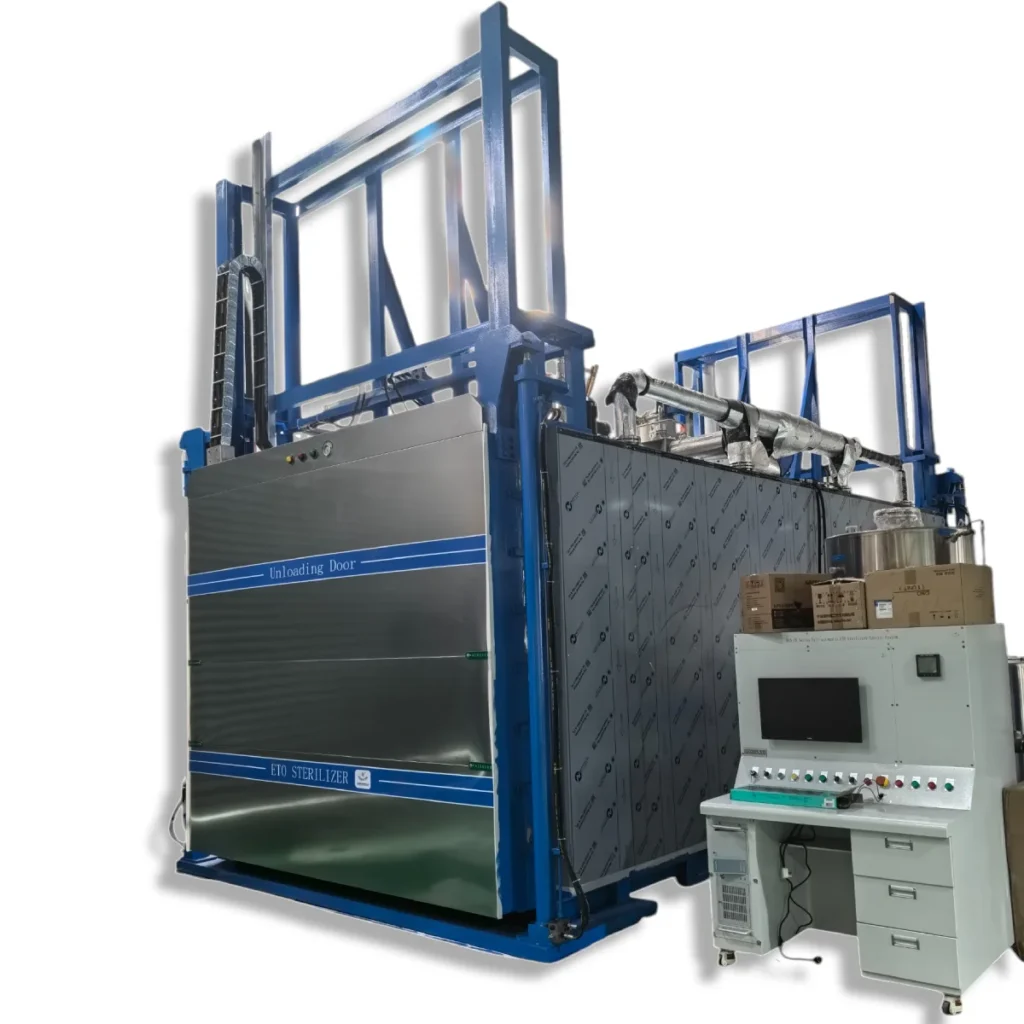
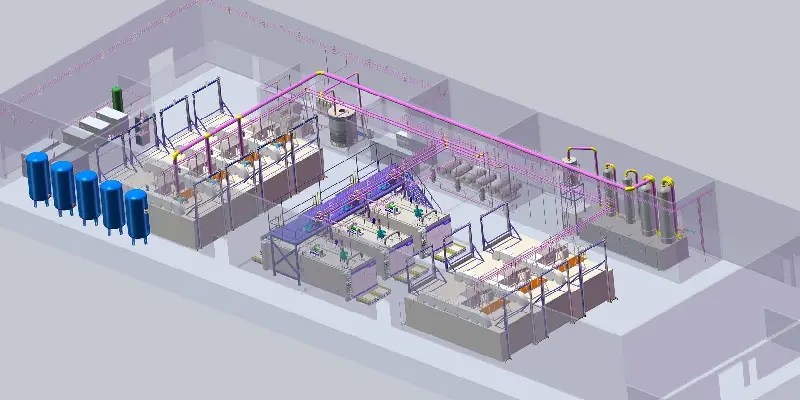
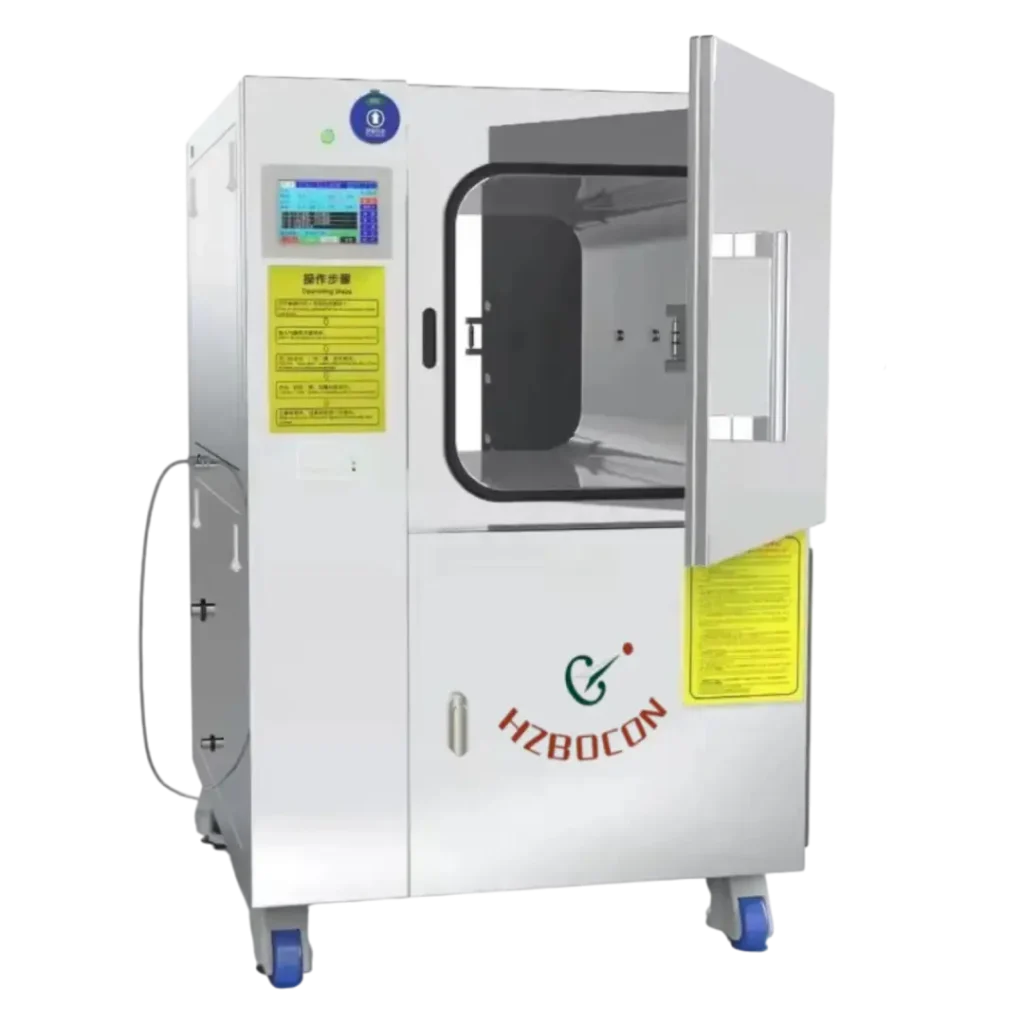
La flexibilidad de Tecnología de esterilización con óxido de etileno. es su mayor fortaleza, pero requiere equipo capaz de controlar exactamente los parámetros. BOCON Esterilizadores ETO serie BCS Ofrece precisión líder en la industria en profundidad de vacío y regulación de humedad.. Ya sea que esté esterilizando dispositivos electrónicos sensibles o catéteres complejos, nuestros sistemas garantizan que usted cumpla SAL 10⁻⁶ mientras protege sus materiales de alto valor.