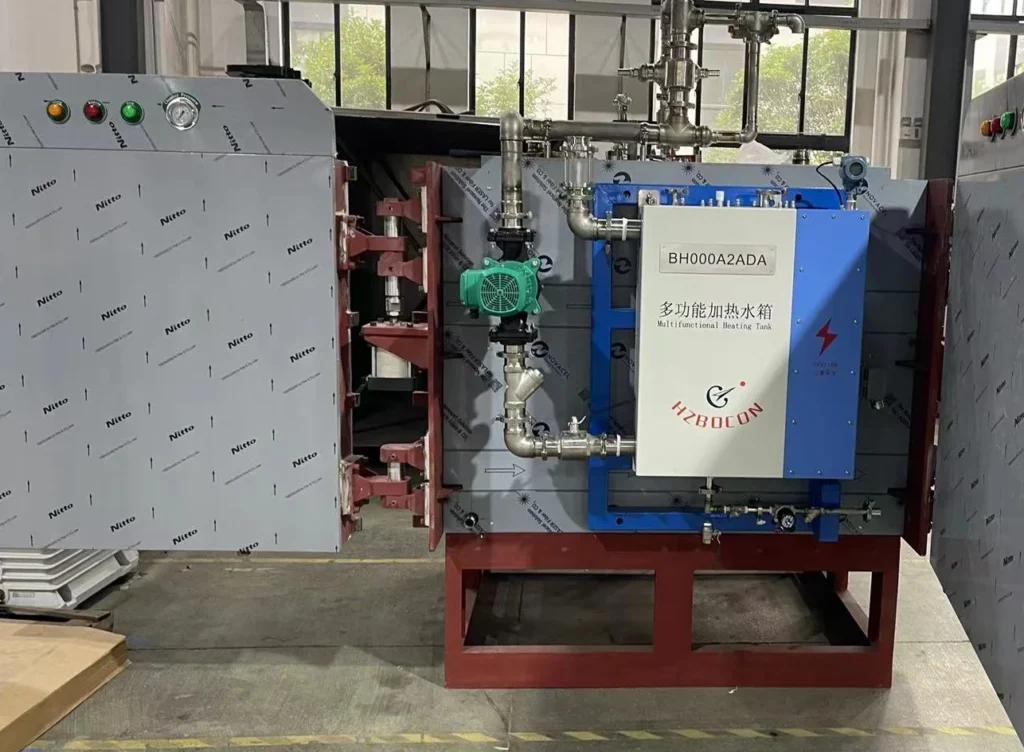
Gevorderde ontploffingsbeskerming in etileenoksied (EO) Sterilisasie prosesse
1. Ontploffingskonsep en risiko's in etileenoksied (EO) Sterilisasie
'n Ontploffing vind plaas wanneer die konsentrasie van 'n plofbare stof gemeng met suurstof binne sy plofbare perke val en 'n ontstekingsbron teëkom. Hierdie verskynsel kan tot geweldige vernietiging lei. In die konteks van Etileenoksied (EO) Sterilisasie, die “Ontploffingsdriehoek” moet streng bestuur word: Brandbare materiaal, Oksideerder, en Ontstekingsbron (Flitspunt).
2. Voldoeningstandaarde vir etileenoksied (EO) Sterilisasie toerusting
Alle ontploffingsvaste elektriese toerusting wat gebruik word vir Etileenoksied (EO) Sterilisasie moet streng by internasionale en nasionale regulasies hou:
- GB 3836-2021: Plofbare atmosfeer (Gelyk aan IEC 60079:2017, IDT).
- GB 50058-2014: Kode vir die ontwerp van elektriese installasies in plofbare gevaarlike omgewings.
3. Klassifikasie van gevaarlike gebiede vir etileenoksied (EO) Sterilisasie
Tydens die ontwerp van 'n Etileenoksied (EO) Sterilisasie fasiliteit, gevaarlike plekke word in drie sones gekategoriseer gebaseer op die frekwensie en duur van die voorkoms van plofbare gasmengsels:
- Sone 0: Deurlopende teenwoordigheid of langtermyn-voorkoms van plofbare gasmengsels (bv., die spasie bokant die vloeistofvlak binne 'n EO-tenk).
- Sone 1: Plofbare gasmengsels sal waarskynlik tydens normale werking voorkom (bv., naby verligtingskleppe aan Etileenoksied (EO) Sterilisasie kamers).
- Sone 2: Dit is onwaarskynlik dat plofbare gasmengsels in normale werking sal voorkom, of as hulle dit doen, sal slegs vir 'n kort tydperk bestaan.
4. Interpretasie van ontploffingsvaste merke
Binne die tegniese parameters van toerusting wat gebruik word vir Etileenoksied (EO) Sterilisasie, spesifieke Ex-merke dui nakoming aan. Hierdie simbole sertifiseer dat die produk ontwerp is om veilig binne hoë risiko te werk Etileenoksied (EO) Sterilisasie sones.
5. Ontploffingsvaste strukture vir etileenoksied (EO) Sterilisasie-omgewings
Beskermingstipes vir Etileenoksied (EO) Sterilisasie insluit: Vlambestand (d), Verhoogde veiligheid (e), Intrinsieke Veiligheid (i), Onder druk (bl), Olie ondergedompel (o), Sand gevul (q), en Ingekapsuleer (m).
5.1 Evolusie van Vlambestand (d) Standaarde
Die nuutste standaarde vir Etileenoksied (EO) Sterilisasie toerusting klassifiseer vlamvaste strukture as:
- en: Geskik vir Sone 0 (bv., katalitiese sensors in draagbare detektors).
- db: Die standaard vlamvaste tipe wat in tradisionele gebruik word Etileenoksied (EO) Sterilisasie opstellings.
- dc: Geskik vir toerusting met elektriese skakelkontakte.
5.2 Intrinsieke Veiligheid (Eks i) in Etileenoksied (EO) Sterilisasie
Intrinsieke veiligheid (Eks i) voorkom 'n ontploffing deur die elektriese energie te beperk (vonke en termiese effekte) vervaardig deur 'n instrument. In 'n Etileenoksied (EO) Sterilisasie beheerstelsel, dit word bereik deur veiligheidshindernisse.
6. Materiaalkategorieë vir Etileenoksied (EO) Sterilisasie
Plofbare stowwe word in Klas I verdeel (Metaan), Klas II (Gasse/dampe), en Klas III (Stof/vesels).
EO Klassifikasie: Vir GB 3836-2021, Etileenoksied is 'n Klas IIB-gas. Daarom, alle elektriese toerusting wat gebruik word vir Etileenoksied (EO) Sterilisasie moet gegradeer word as Klas IIB (of Klas IIC, wat 'n hoër beskermingsvlak bied wat IIB-vereistes dek).
7. Maksimum Oppervlaktemperatuur Groepe
Die maksimum oppervlaktemperatuur van enige elektriese komponent binne die Etileenoksied (EO) Sterilisasie atmosfeer moet altyd onder die ontstekingstemperatuur van die EO-gasmengsel bly om toevallige ontbranding te voorkom.
8. Toerustingbeskermingsvlakke (EPL) in EO-omgewings
EPL definieer die vlak van risiko vermindering vir Etileenoksied (EO) Sterilisasie toerusting:
- Ga / Ma / En: “Baie hoog” beskermingsvlak; veilig tydens normale werking, verwagte foute, en skaars seldsame foute.
- Gb / Mb / Db: “Hoog” beskermingsvlak; veilig tydens normale werking en verwagte foute.
- Gc / Dc: “Normaal” beskermingsvlak; veilig tydens normale werking van die Etileenoksied (EO) Sterilisasie proses.
Beveilig jou etileenoksied (EO) Voldoening aan sterilisasie
Verseker jou Etileenoksied (EO) Sterilisasie toerusting voldoen aan die nuutste GB 3836 en IEC-veiligheidstandaarde.
Bespreek 'n EO-sterilisasieveiligheidsoudit