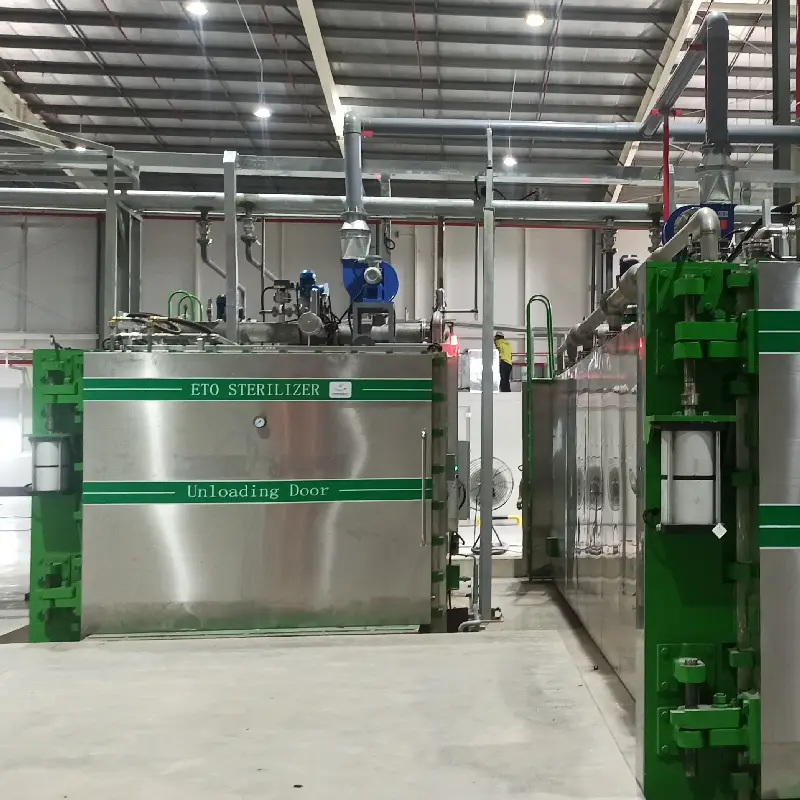
Safety Guidelines When Utilizing 环氧乙烷灭菌
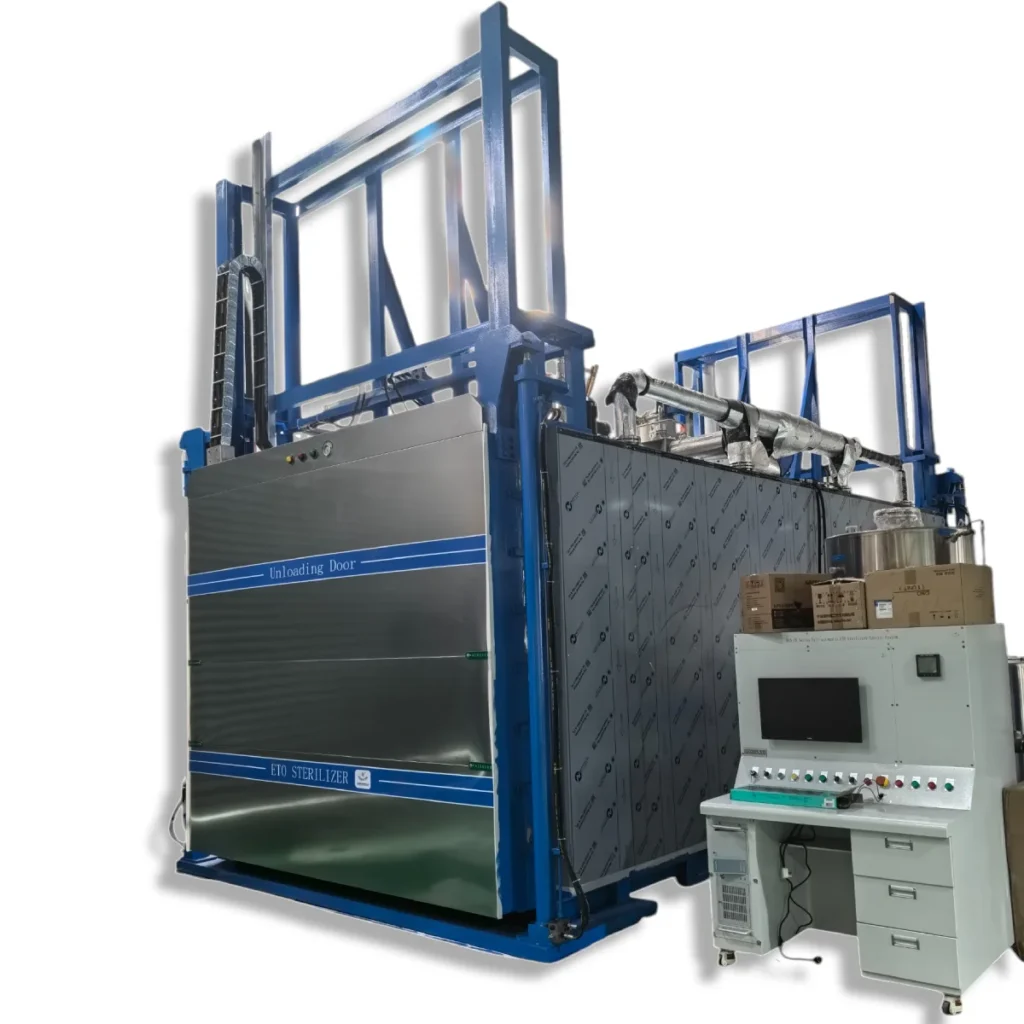
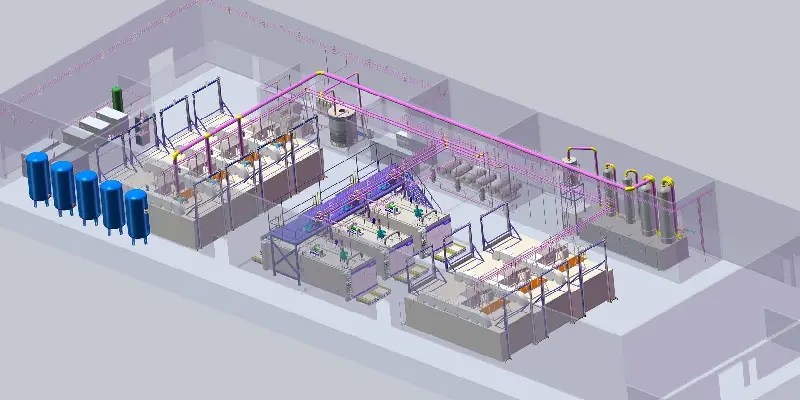
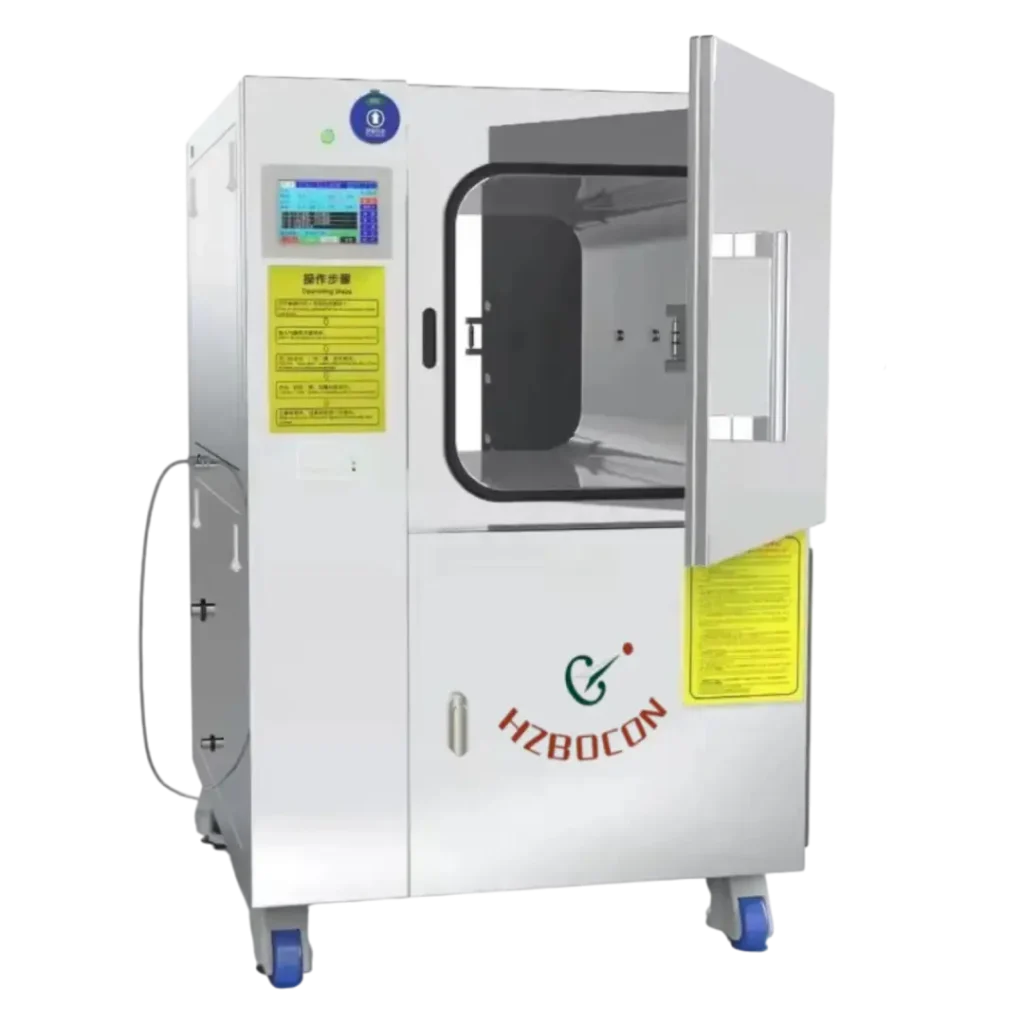
环氧乙烷 (EO/ETO) is an extremely effective sterilant, but it requires rigorous safety protocols due to its toxic and flammable nature. To protect personnel and the environment, facilities must adhere to comprehensive ETO sterilization safety guidelines during every stage of the process.
1. Personnel Protection & Training
Appropriate PPE
- Chemical-resistant gloves
- Safety glasses or splash-proof goggles
- Lab coats or protective gowns
- Respiratory protection (when necessary)
Comprehensive Training
- 灭菌器 & Aerator operation procedures
- EO health hazards awareness
- Emergency response & work practices
- Regulatory compliance (OSHA/Canadian Standards)
2. Equipment Maintenance & Monitoring
Reliable equipment is the first line of defense against EO exposure. Proper design and routine checks are mandatory.
Preventive Maintenance
- Regular sterilizer/aerator service cycles
- Frequent EO leak checks & seal inspections
- EO scavenging system performance verification
- Emergency equipment readiness checks
Environmental Monitoring
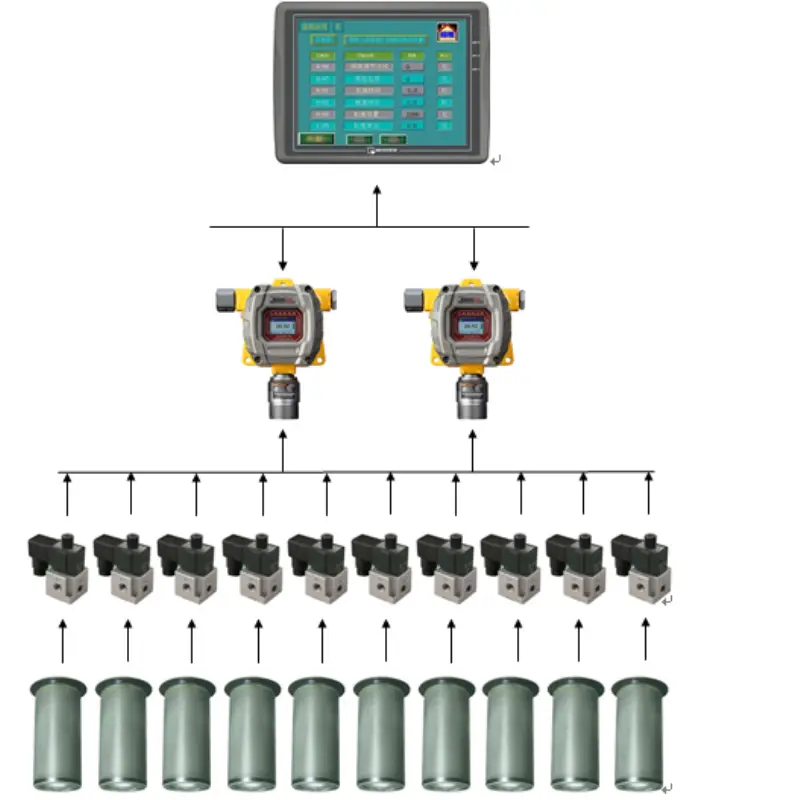
- Continuous ETO gas detection in the air
- Local exhaust ventilation at the source
- Detailed recording of all monitoring results
- Posting of legible EO hazard warning signs
通风 & Storage Notice:
Maintain adequate airflow in the sterilization area to prevent gas accumulation. Store ETO cylinders in well-ventilated spaces away from heat, direct sunlight, and all potential ignition sources.
3. Emergency Preparedness & 遵守
Every facility must develop and implement a robust Emergency Response Plan specifically for EO leaks or spills. Regular workspace inspections should be conducted to address safety hazards before they escalate.
- 遵守: Follow all regulations set by occupational health (OSHA) and environmental agencies.
- Manufacturer Consultation: Always follow the specific safety parameters provided by your ETO Sterilization equipment 制造商.