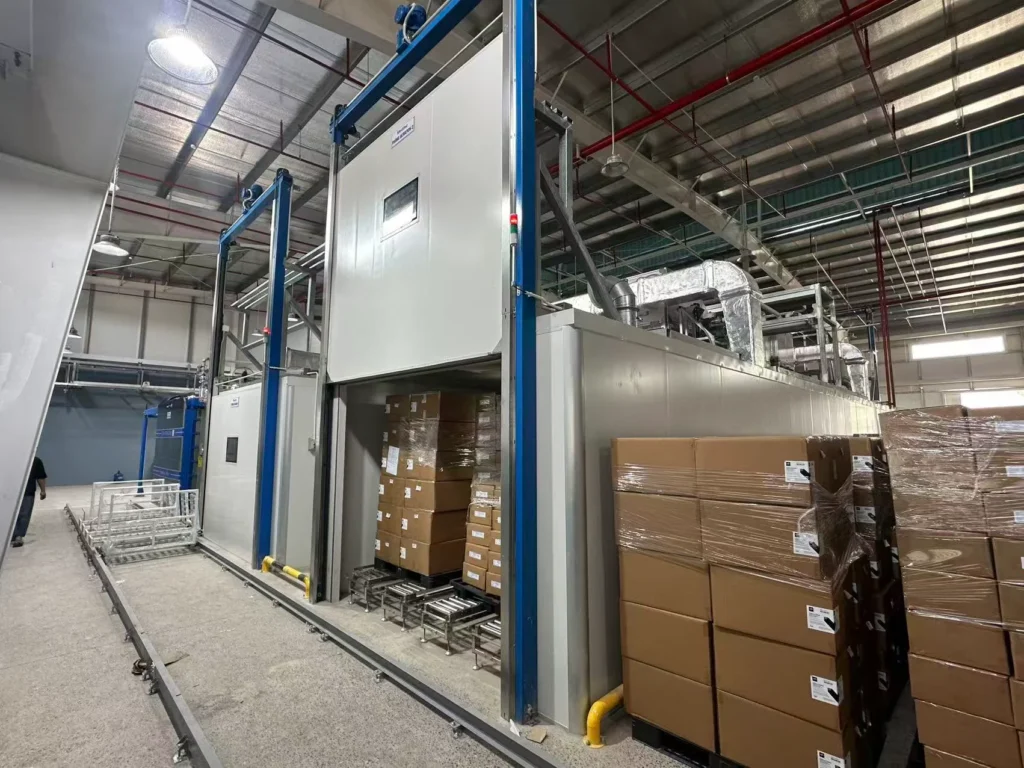
Tại sao nên sử dụng Ethylene Oxide (EO) vì Khử trùng thiết bị y tế?
Oxit ethylene (EO) đã trở thành tiêu chuẩn công nghiệp cho khử trùng ở nhiệt độ thấp. Ưu điểm chính của nó nằm ở khả năng tương thích vật liệu đặc biệt—nó có thể khử trùng nhựa một cách hiệu quả., polyme, kim loại, và thủy tinh không bị suy giảm cấu trúc do hơi nước hoặc bức xạ nhiệt độ cao.
EO hoạt động thông qua một phản ứng hóa học gọi là sự alkyl hóa. Nó phá vỡ DNA của vi khuẩn, virus, và khuôn mẫu, khiến chúng không thể sinh sản. Khác với các phương pháp khác, EO thâm nhập sâu vào các dạng hình học phức tạp như lumen dài và bao bì nhiều lớp.
các 4 Các yếu tố quan trọng của thiết kế chu trình
Thiết kế thành công Chu trình khử trùng EO đòi hỏi sự cân bằng tinh tế của bốn thông số có thể điều chỉnh:
Xác thực & Tiêu chuẩn tuân thủ
Trước khi chuyển sang sản xuất, nhà sản xuất phải tiến hành “trường hợp xấu nhất” nghiên cứu độ ổn định để đảm bảo chu trình không ảnh hưởng xấu đến lớp phủ, trái phiếu, hoặc chức năng. Xác nhận chính thức phải phù hợp với:
- ISO 11135:2014: Tiệt trùng các sản phẩm chăm sóc sức khỏe - Ethylene oxit.
- ISO 10993-7:2008: Đánh giá sinh học của trang thiết bị y tế - Phần 7: Dư lượng khử trùng ethylene oxit.
Điều khiển chính xác với dòng BOCON BCS
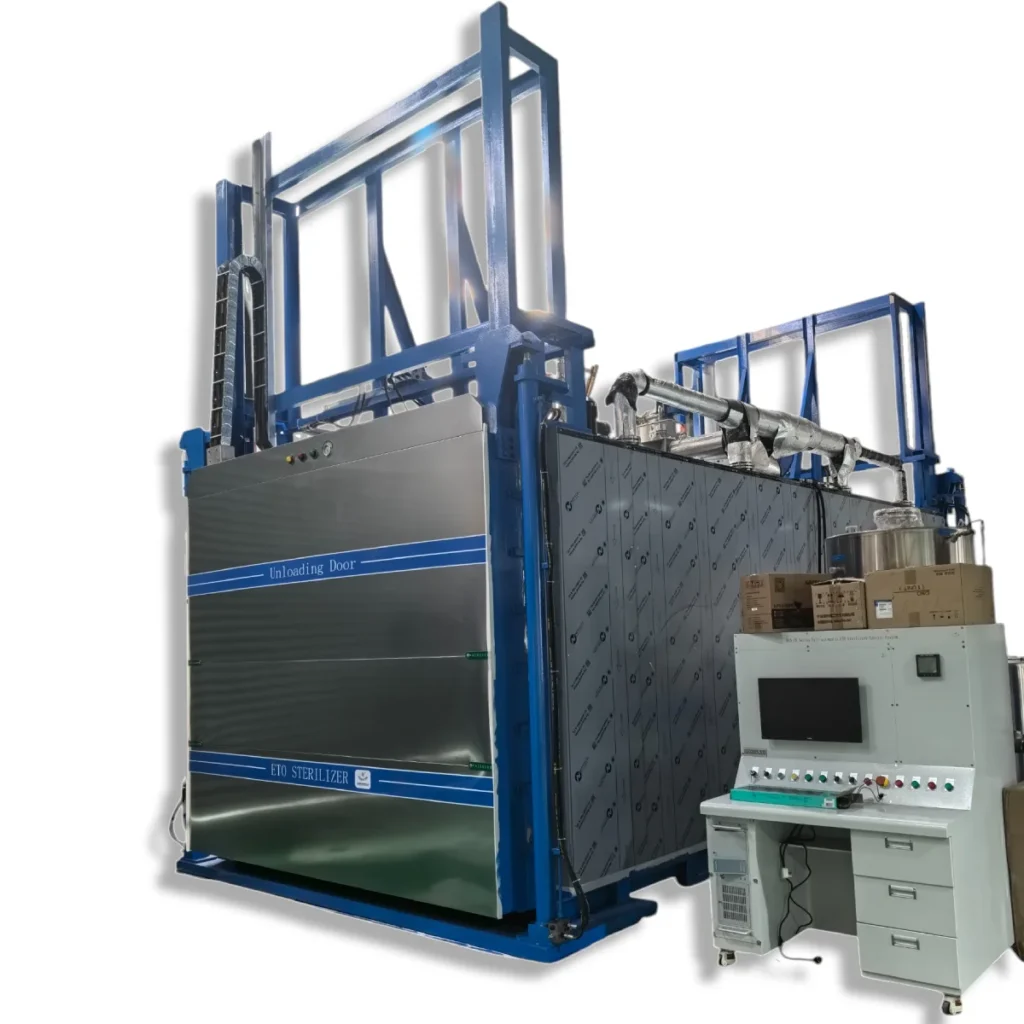
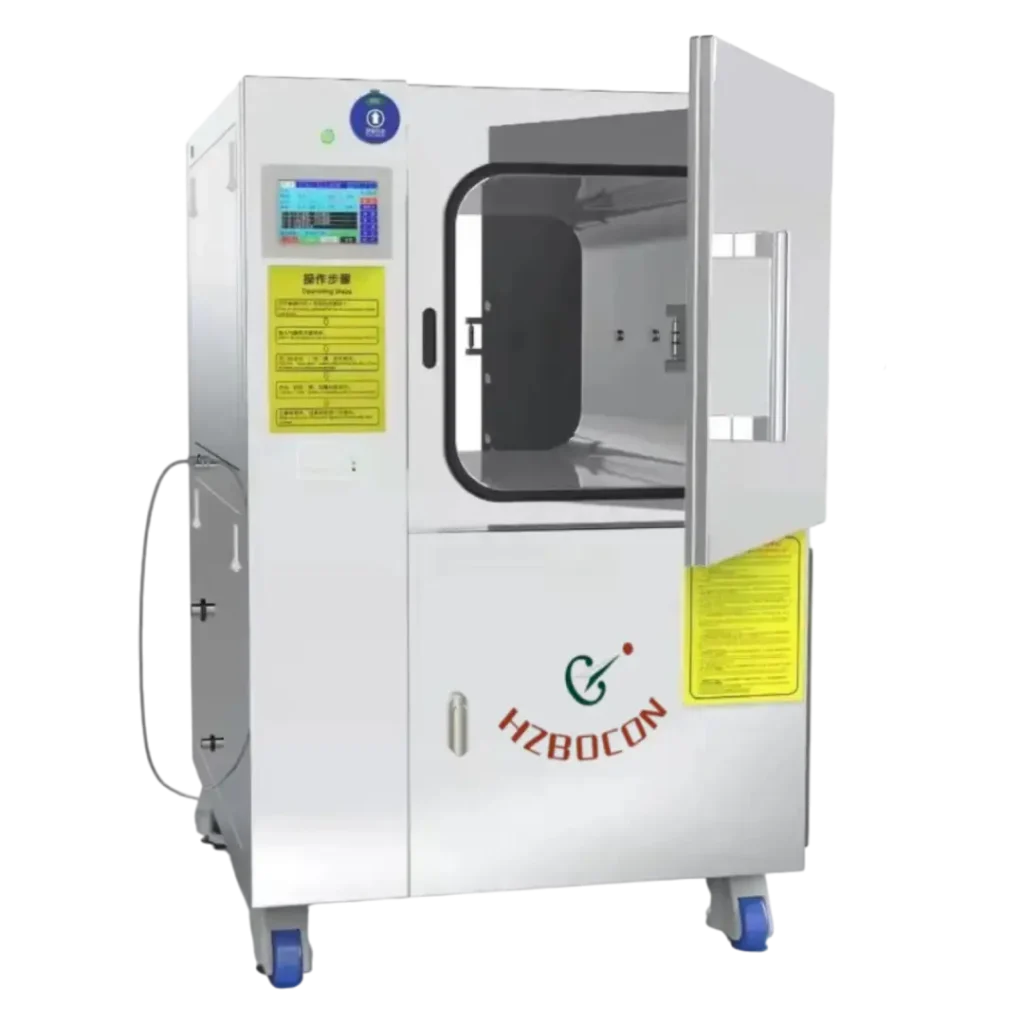
Tính linh hoạt của Công nghệ khử trùng Ethylene Oxide là sức mạnh lớn nhất của nó, nhưng nó đòi hỏi thiết bị có khả năng kiểm soát thông số chính xác. BOCON's Máy tiệt trùng ETO dòng BCS cung cấp độ chính xác hàng đầu trong ngành về độ sâu chân không và điều chỉnh độ ẩm. Cho dù bạn đang khử trùng các thiết bị điện tử nhạy cảm hay ống thông phức tạp, hệ thống của chúng tôi đảm bảo bạn đáp ứng SAL 10⁻⁶ đồng thời bảo vệ các vật liệu có giá trị cao của bạn.