
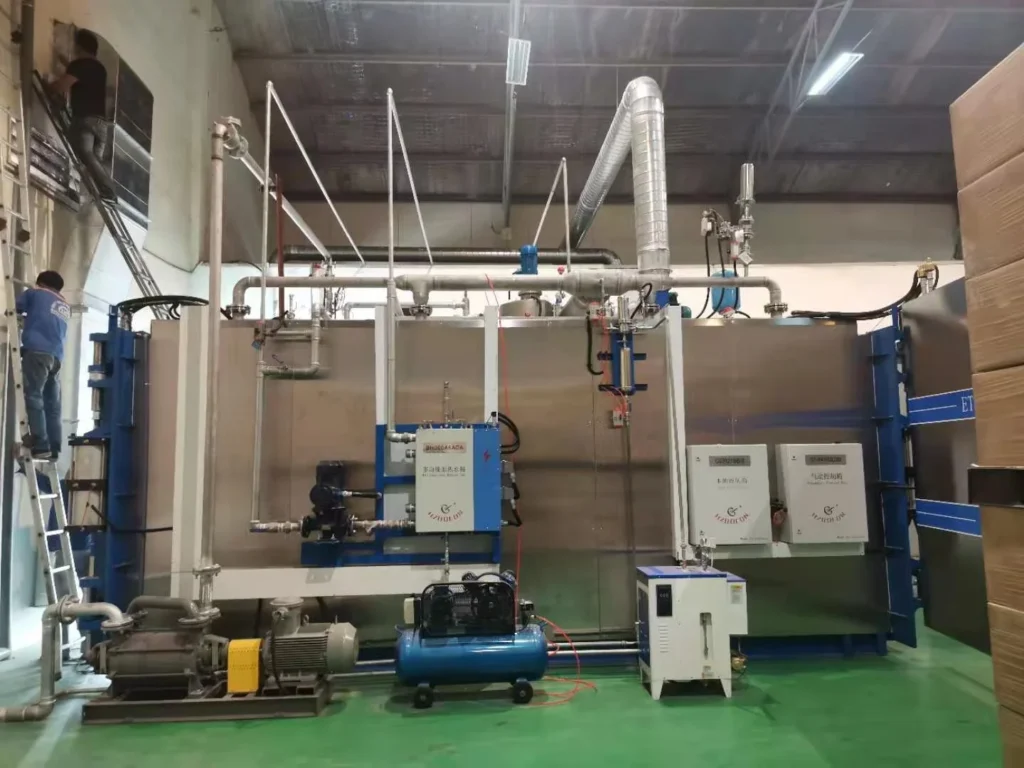
Advantages And Disadvantages Of Ethylene Oxide Sterilization
Etilen Oksit (EO/ETO) has long been recognized as a reliable chemical gas sterilant. Originally limited to industrial scales, modern automation and intelligent safety technology have allowed ETO sterilization to become the preferred method for heat-sensitive precision medical devices in both industrial and medical institutions.
Balanced Analysis: Why Choose ETO?
Understanding the strengths and limitations of ETO is crucial for facility managers and device manufacturers to ensure safety and efficiency.
Advantages
- Low-Temperature Process: Ideal for materials not resistant to high heat or humidity.
- Broad-Spectrum Lethality: Kills all microorganisms, including highly resistant bacterial spores.
- Strong Penetrability: Capable of sterilizing long, thin lumens (conduits) that other low-temp methods cannot reach.
- Material Gentle: Uses alkylation rather than oxidation, causing minimal damage to delicate polymers.
- Post-Process Protection: Compatible with various packaging for safe storage and cross-contamination prevention.
- Standardized Monitoring: Features mature chemical and biological validation methods for total quality control.
Disadvantages
- Lengthy Cycles: Requires significant aeration time to ensure the complete removal of ETO residues.
- Toxicity: As a suspected carcinogen, indoor air concentrations must be strictly monitored to meet national standards.
- Flammability: ETO is explosive; storage and sterilization systems must have high-level leak-proof designs.
- Safety Requirements: Demands highly specialized equipment and trained personnel to operate safely.
Safety Precautions & Professional Operation
The key to maximizing the benefits of Ethylene Oxide Sterilization while mitigating its risks lies in the selection of high-quality equipment. Advanced sterilizers now feature integrated aeration cycles, real-time gas monitoring, and explosion-proof components to ensure that the process is as safe as it is effective.