6 Fundamental Requirements for Effective EO Sterilization
Achieving a high Sterility Assurance Level (SAL 10⁻⁶) with Ethylene Oxide (EO) is not just about the gas itself—it is about the meticulous synchronization of six environmental and physical conditions. Adhering to these standards ensures that even the most resistant microorganisms are eliminated without damaging sensitive medical instruments.
Phase 1: Instrument Preparation & Packaging
1. Unobstructed Path
Gas must reach every remote recess. Always disassemble complex instruments and remove caps, plugs, or stylets prior to loading to ensure total gas penetration.
2. Surgical Cleanliness
Biological residues (organic matter) can act as a shield for microbes. Instruments must be thoroughly washed and dried to remove any physical barriers to the EO gas.
3. Validated Wrapping
Only use EO-permeable materials such as medical-grade paper, cloth, or specialized plastic. These permit gas diffusion while maintaining a microbial barrier post-process.
Pro Tip: For instruments destined for the operating room, double-wrapping provides an extra layer of protection, though users must remember that porous materials like cloth require reprocessing if stored beyond specified intervals.
Phase 2: Critical Physical Parameters
4. Sufficient Dosage
The EO concentration must be sustained for an adequate duration. A precise “kill dose” is calculated based on the resistance of the most difficult-to-sterilize organism in the load.
5. Adequate Humidity
Moisture is the catalyst. Desiccated (dried out) organisms exhibit significantly higher resistance to EO. Maintaining optimal relative humidity is crucial for facilitating the chemical reaction.
6. Temperature Balance
Temperature and dosage are inversely related. Generally, higher temperatures allow for lower EO concentrations to achieve the same lethal effect, protecting heat-sensitive polymers.
Optimizing Your Sterilization Workflow with BOCON
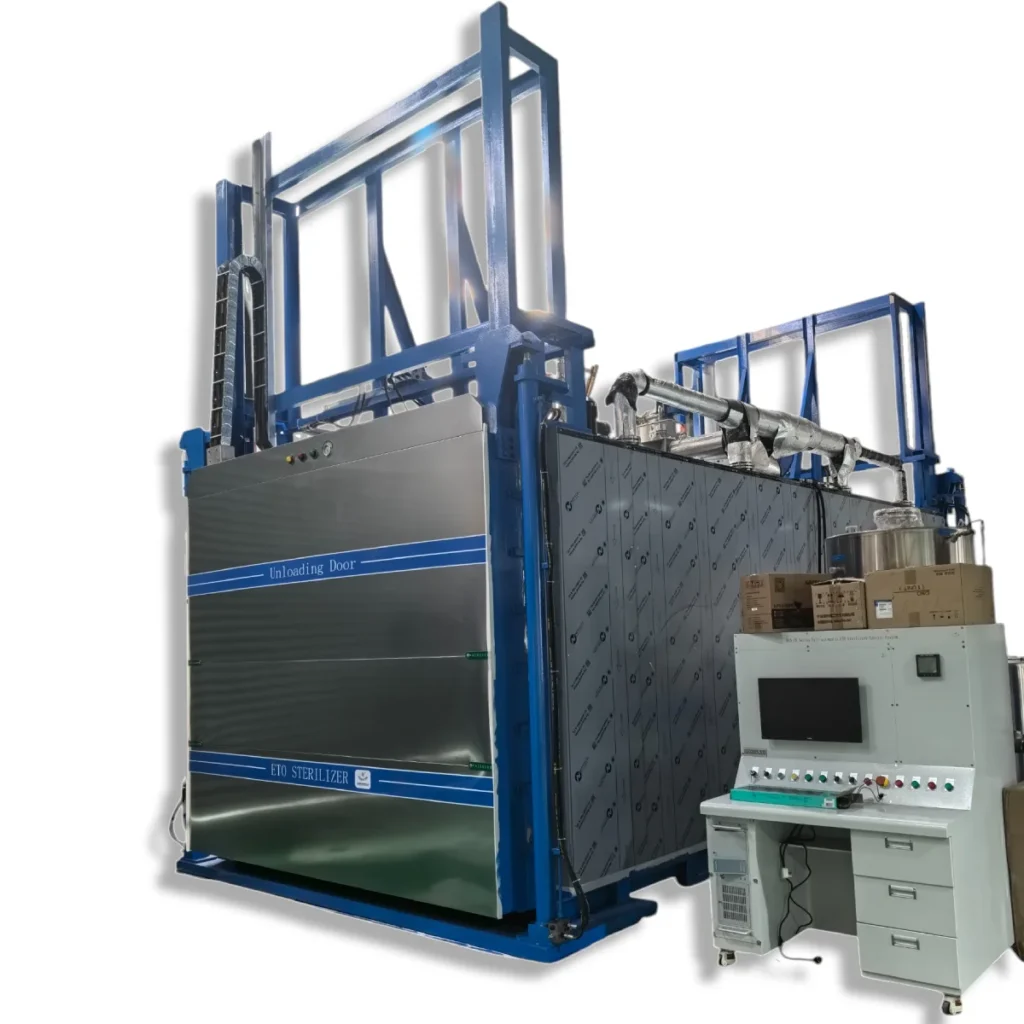
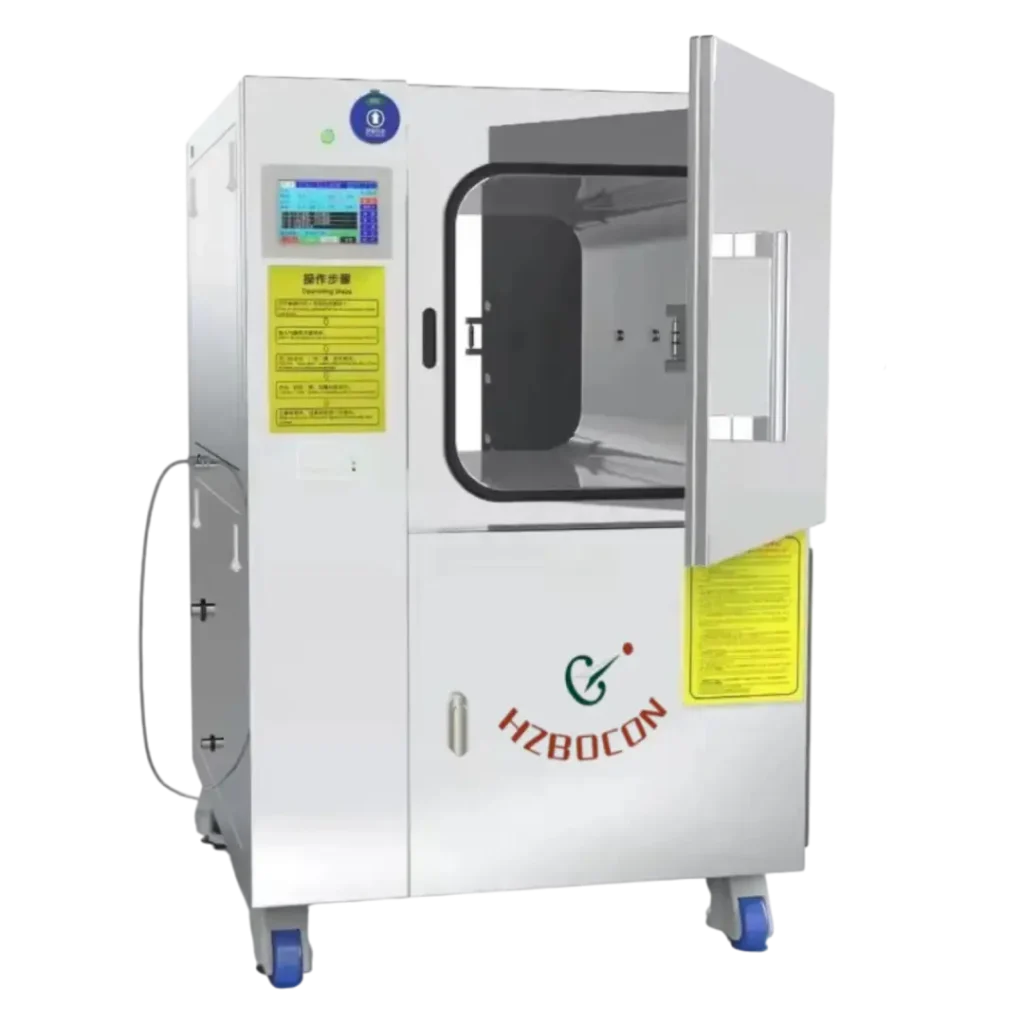
BOCON’s BCS Series ETO Sterilizers are engineered to automate and monitor all six of these essential requirements. Our systems feature precision pre-conditioning cycles to manage humidity and computerized dosing to ensure that every instrument—from simple syringes to complex endoscopes—reaches the highest standards of safety and efficacy.