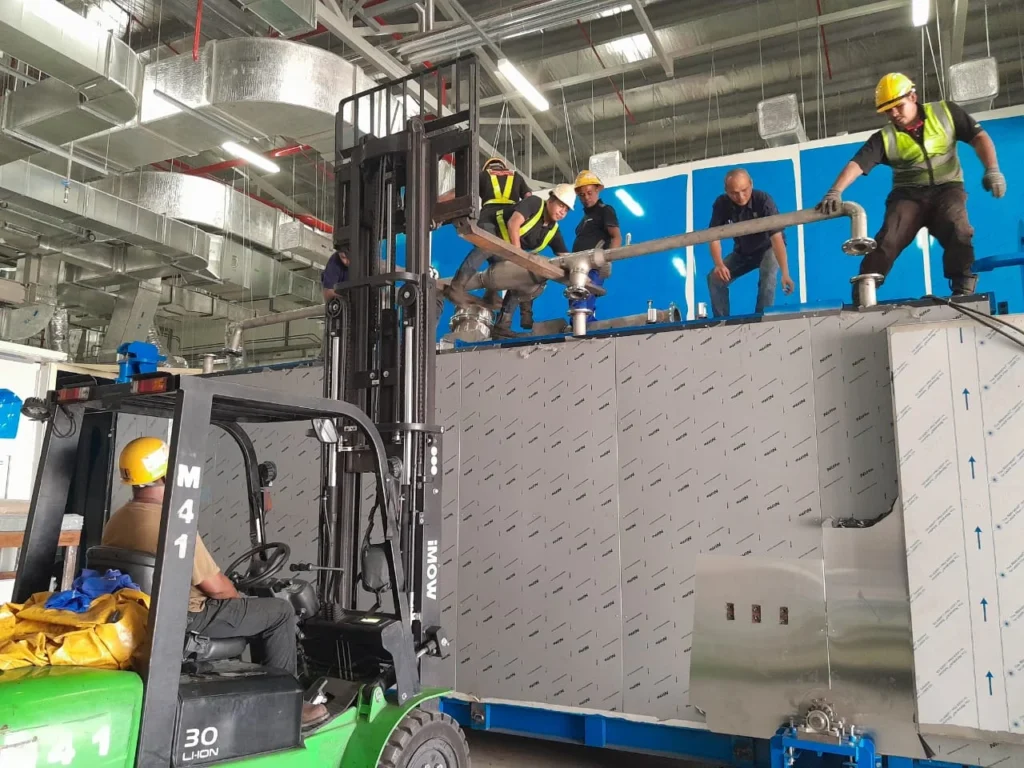
แนวทางวิศวกรรมสำหรับ พื้นที่ฆ่าเชื้อ ETO
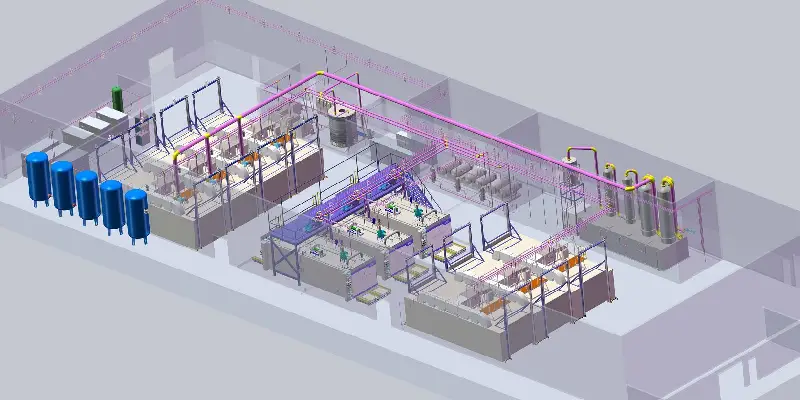
การออกแบบสิ่งอำนวยความสะดวกสำหรับเอทิลีนออกไซด์ (ไลน์อัพ) การฆ่าเชื้อต้องปฏิบัติตามมาตรฐานการระบายอากาศและไอเสียอย่างเข้มงวดเพื่อปกป้องบุคลากรและรับรองความปลอดภัยต่อสิ่งแวดล้อม. วัตถุประสงค์หลักคือเพื่อรักษาก สมดุลอากาศติดลบ และตรวจสอบให้แน่ใจว่าก๊าซที่ตกค้างทั้งหมดถูกจับและระบายออกโดยทุ่มเท, ระบบไม่หมุนเวียน.
1. การระบายอากาศ & มาตรฐานท่อไอเสีย
2. ข้อมูลจำเพาะทางเทคนิคสำหรับระบบเฉพาะ
| ส่วนประกอบของระบบ | ข้อกำหนดการออกแบบ | วัตถุประสงค์ด้านความปลอดภัย |
|---|---|---|
| หน่วยเติมอากาศ | ท่อไอเสียเฉพาะแบบไม่หมุนเวียน. | กำจัดการปล่อยก๊าซ ETO ออกจากผลิตภัณฑ์. |
| รีลีฟวาล์ว | ส่งตรงไปยังจุดกลางแจ้งที่สูง. | ตรวจสอบให้แน่ใจว่ามีการปล่อยแรงดันสูงในกรณีฉุกเฉินบายพาสทางเข้า. |
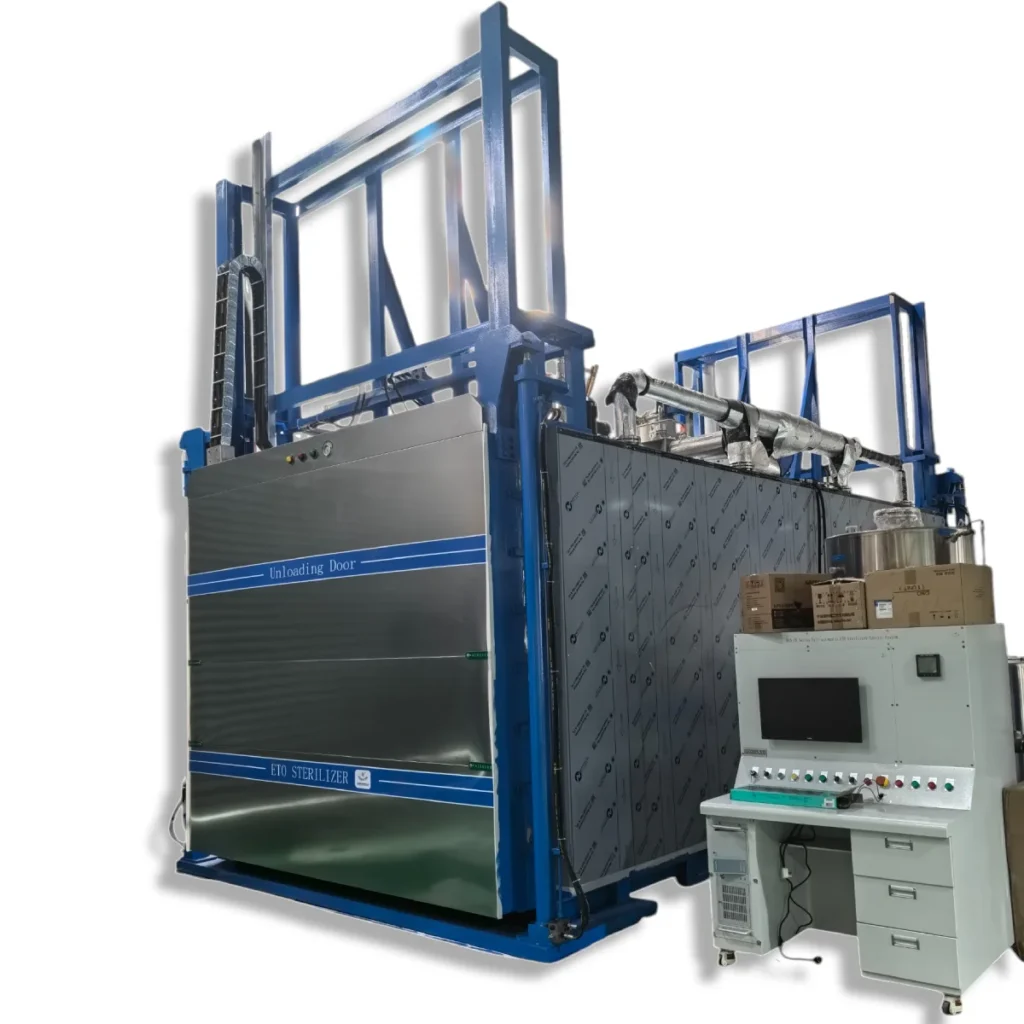
| ประตูเครื่องฆ่าเชื้อ | ฝากระโปรงหรือหลังคาปิดอยู่ที่ปลายแต่ละด้านเหนือประตู. | จับภาพ ETO “เรอ” เมื่อเปิดประตูหลังปั่นจักรยาน. |
| เส้นอุปทาน | วาล์วมือท่อแก๊สที่จุดเชื่อมต่อกระบอกสูบ. | ลดการรั่วไหลในระหว่างรอบการเติม. |
วิศวกรรมสิ่งอำนวยความสะดวกที่มีความแม่นยำด้วย BOCON
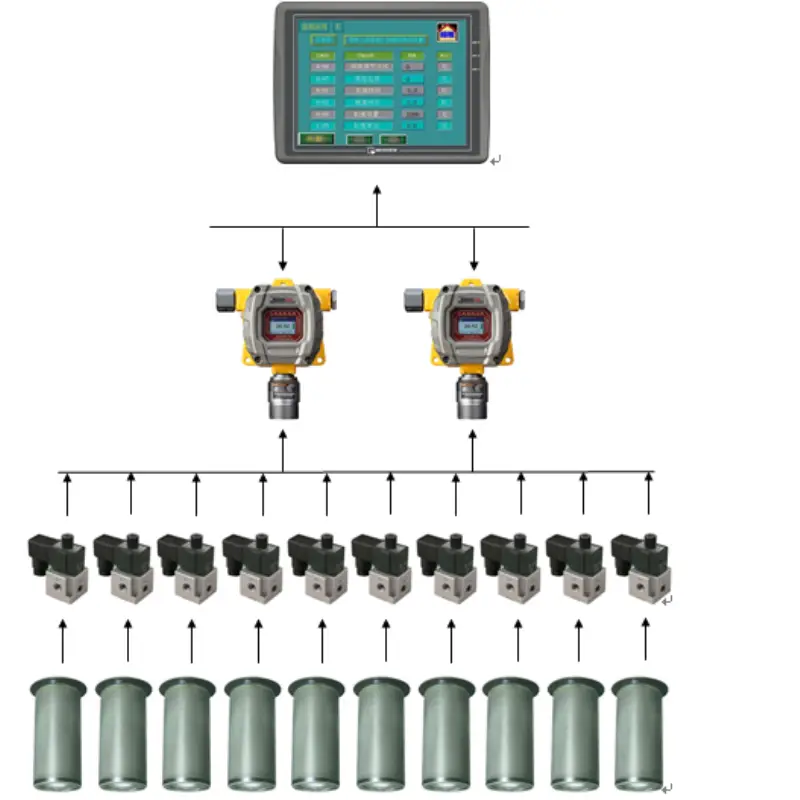
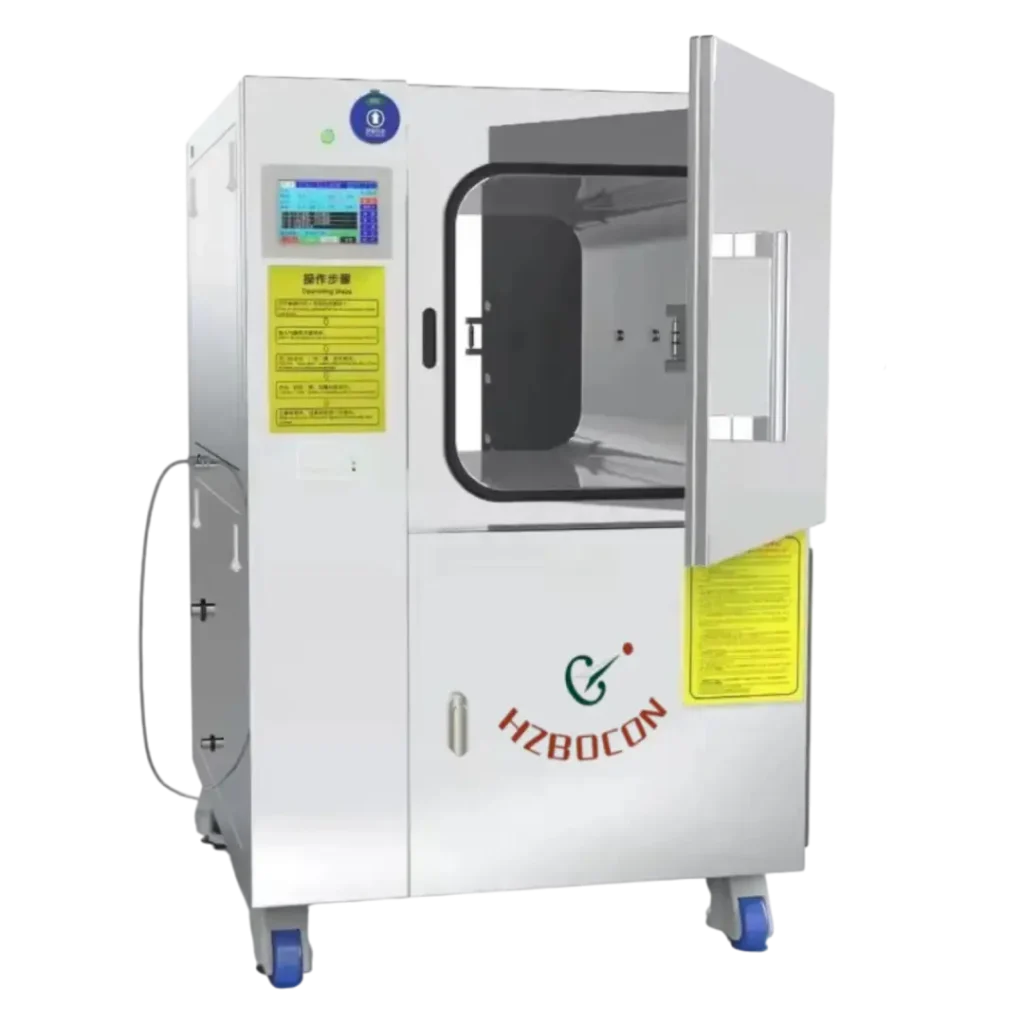
ที่โบคอน, เราให้บริการมากกว่าอุปกรณ์ฆ่าเชื้อ. ของเรา เครื่องฆ่าเชื้อ ETO ซีรีส์ BCS ได้รับการออกแบบมาเพื่อผสานรวมกับโครงสร้างพื้นฐานการระบายอากาศในสถานประกอบการของคุณได้อย่างราบรื่น. เราพร้อมให้คำปรึกษาแบบครบวงจรเกี่ยวกับ สมดุลอากาศติดลบ, การออกแบบหลังคาท่อไอเสีย, และ อินเทอร์เฟซการตรวจสอบก๊าซแบบเรียลไทม์ เพื่อให้แน่ใจว่าพื้นที่ฆ่าเชื้อของคุณเป็นไปตามข้อกำหนดด้านความปลอดภัยที่ทันสมัยโดยสมบูรณ์.
Key figures
| รายการ | Requirement | Why it matters |
|---|---|---|
| Room exhaust | Dedicated “ท่อไอเสียห้องอุปกรณ์ ETO”, all air discharged outdoors | No recirculation of sterilant into adjacent areas |
| Discharge location | อย่างน้อย 25 ft (7,620 มม) from any building intake, operable window or personnel area | Prevents re-entrainment of exhausted EO |
| Cylinder change hood | Located no more than 1 ft (305 มม) above or behind the connection point | Captures gas released during cylinder changes |
| Door-open capture | Hood captures the ETO “เรอ” when the chamber door opens after a cycle | The highest short-term concentration in normal operation |
Frequently asked questions
How far must the exhaust discharge be from air intakes?
อย่างน้อย 25 เท้า (7,620 มม) from any building intake, operable window or area where people are present. The distance is what prevents exhausted ethylene oxide from being drawn back into the building.
Does the room need its own exhaust system?
ใช่. The area requires a dedicated “ท่อไอเสียห้องอุปกรณ์ ETO” and all air must be discharged to the outside. Recirculating the room air would spread sterilant through the building.
How is gas captured during cylinder changes?
A dedicated exhaust hood is placed no more than 1 เท้า (305 มม) above or behind the cylinder connection point, close enough to capture gas released while the fitting is opened.
What is the “เรอ” and how is it handled?
When the chamber door opens after a cycle, a small volume of residual gas escapes. The capture hood at the door is sized to take that “เรอ”, which is the highest short-term exposure in routine operation.