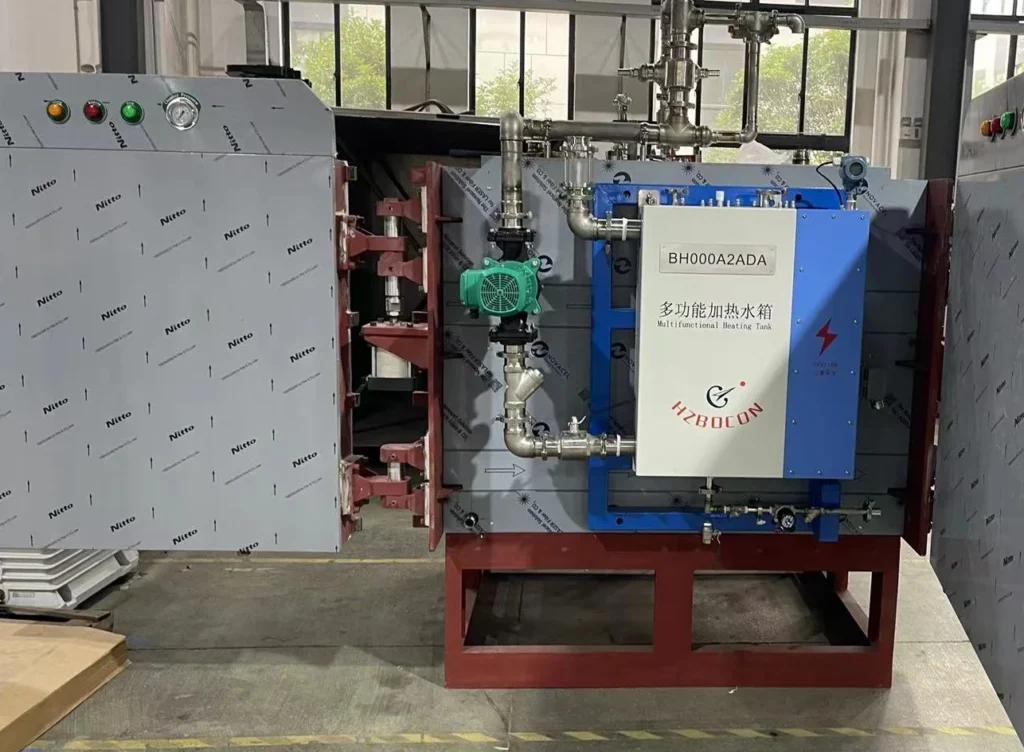
Proteção Avançada contra Explosão em Óxido de Etileno (EO) Processos de Esterilização
1. Conceito de Explosão e Riscos no Óxido de Etileno (EO) Esterilização
Uma explosão ocorre quando a concentração de uma substância explosiva misturada com oxigênio cai dentro dos seus limites explosivos e encontra uma fonte de ignição.. Este fenômeno pode levar a uma destruição imensa. No contexto de Óxido de Etileno (EO) Esterilização, o “Triângulo de Explosão” deve ser rigorosamente gerenciado: Material Combustível, Oxidante, e fonte de ignição (Ponto de inflamação).
2. Padrões de Conformidade para Óxido de Etileno (EO) Equipamento de esterilização
Todos os equipamentos elétricos à prova de explosão usados para Óxido de Etileno (EO) Esterilização deve aderir estritamente aos regulamentos internacionais e nacionais:
- GB 3836-2021: Atmosferas explosivas (Equivalente a IEC 60079:2017, IDT).
- GB 50058-2014: Código para projeto de instalações elétricas em ambientes perigosos explosivos.
3. Classificação de Áreas Perigosas para Óxido de Etileno (EO) Esterilização
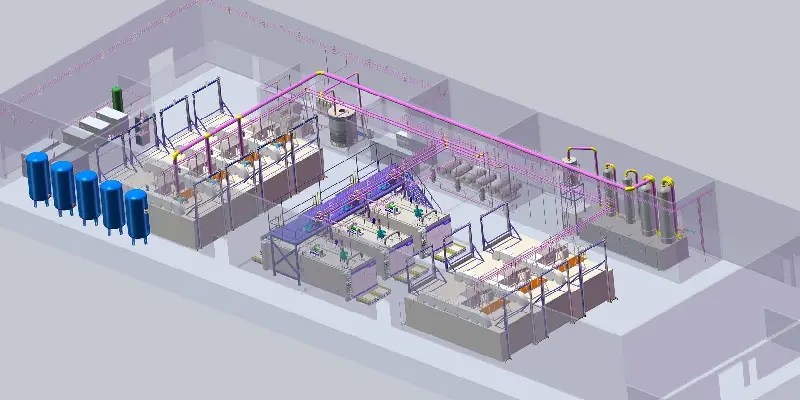
Durante o projeto de um Óxido de Etileno (EO) Esterilização instalação, locais perigosos são categorizados em três zonas com base na frequência e duração do aparecimento de misturas de gases explosivas:
- Zona 0: Presença contínua ou aparecimento prolongado de misturas gasosas explosivas (por exemplo, o espaço acima do nível do líquido dentro de um tanque de EO).
- Zona 1: É provável que ocorram misturas de gases explosivos durante a operação normal (por exemplo, perto de válvulas de alívio em Óxido de Etileno (EO) Esterilização câmaras).
- Zona 2: É improvável que ocorram misturas de gases explosivos em operação normal, ou se eles fizerem, existirá apenas por um curto período.
4. Interpretação de marcações à prova de explosão
Dentro dos parâmetros técnicos dos equipamentos utilizados para Óxido de Etileno (EO) Esterilização, marcações Ex específicas indicam conformidade. Estes símbolos certificam que o produto foi projetado para operar com segurança em ambientes de alto risco. Óxido de Etileno (EO) Esterilização zonas.
5. Estruturas à Prova de Explosão para Óxido de Etileno (EO) Ambientes de Esterilização
Tipos de proteção para Óxido de Etileno (EO) Esterilização incluir: À prova de chamas (d), Maior segurança (e), Segurança Intrínseca (eu), Pressurizado (p), Imerso em óleo (ó), Cheio de areia (q), e Encapsulado (eu).
5.1 Evolução da prova de chamas (d) Padrões
Os mais recentes padrões para Óxido de Etileno (EO) Esterilização equipamentos classificam estruturas à prova de chamas como:
- e: Adequado para Zona 0 (por exemplo, sensores catalíticos em detectores portáteis).
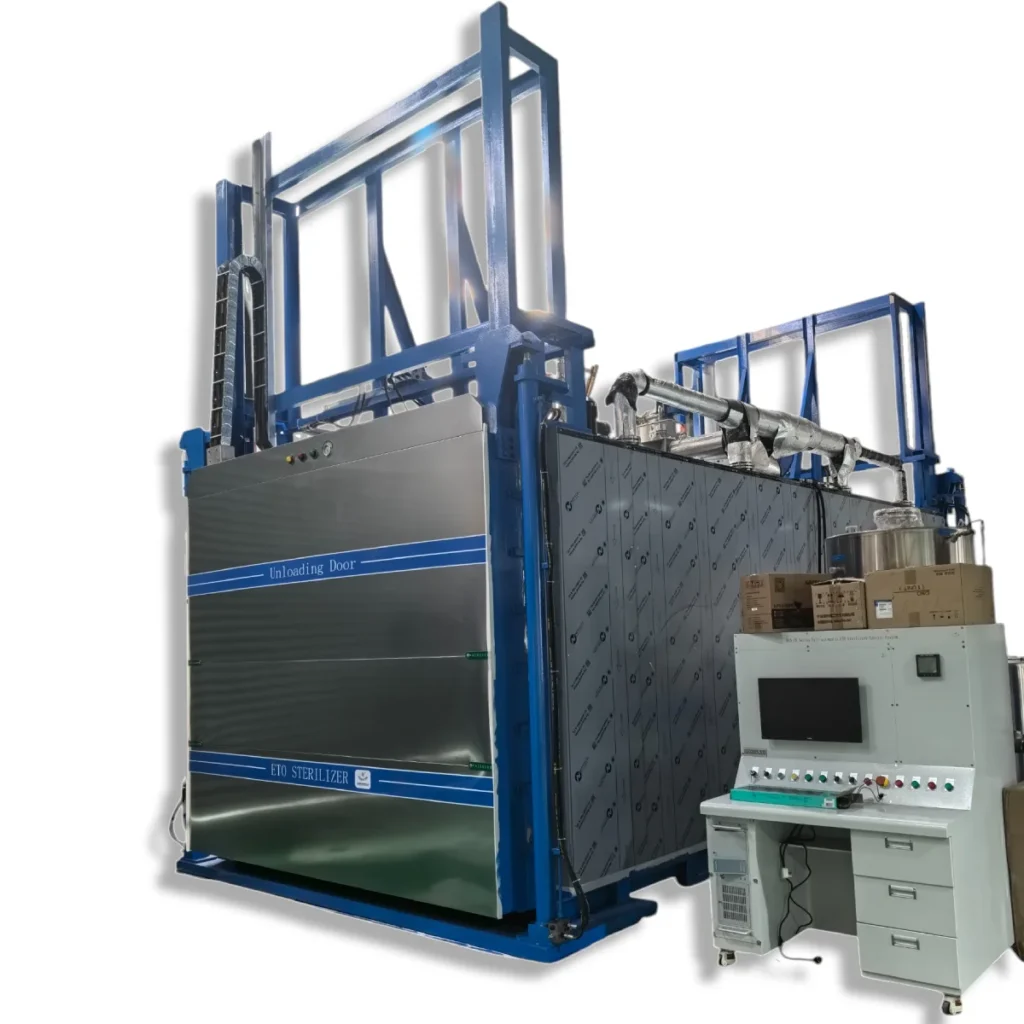
- banco de dados: O tipo à prova de chamas padrão usado em Óxido de Etileno (EO) Esterilização configurações.
- CC: Adequado para equipamentos com contatos de comutação elétrica.
5.2 Segurança Intrínseca (Ex eu) em Óxido de Etileno (EO) Esterilização
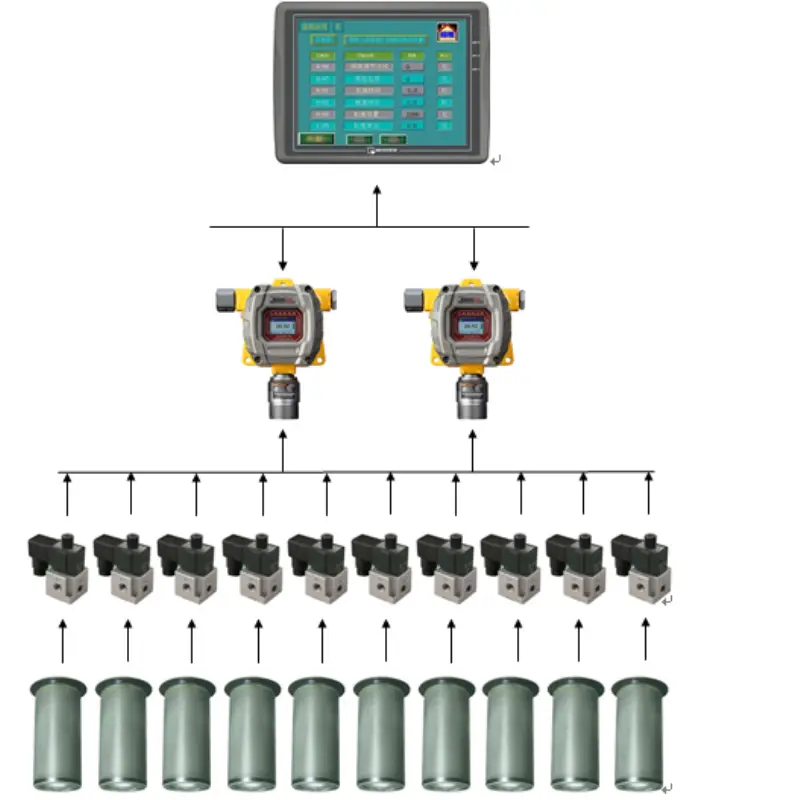
Segurança intrínseca (Ex eu) evita uma explosão limitando a energia elétrica (faíscas e efeitos térmicos) produzido por um instrumento. Em um Óxido de Etileno (EO) Esterilização sistema de controle, isso é conseguido através de barreiras de segurança.
6. Categorias de materiais para óxido de etileno (EO) Esterilização
Substâncias explosivas são divididas em Classe I (Metano), Classe II (Gases/Vapores), e Classe III (Poeira/Fibras).
Classificação OE: Para GB 3836-2021, O óxido de etileno é um gás Classe IIB. Portanto, todos os equipamentos eléctricos utilizados para Óxido de Etileno (EO) Esterilização deve ser classificado como Classe IIB (ou Classe IIC, que oferece um nível de proteção mais alto cobrindo os requisitos IIB).
7. Grupos de temperatura máxima de superfície
A temperatura máxima da superfície de qualquer componente elétrico dentro do Óxido de Etileno (EO) Esterilização atmosfera deve sempre permanecer abaixo da temperatura de ignição da mistura de gás EO para evitar combustão acidental.
8. Níveis de proteção de equipamentos (EPL) em ambientes EO
EPL define o nível de mitigação de risco para Óxido de Etileno (EO) Esterilização equipamento:
- Gá / Mãe / E: “Muito alto” nível de proteção; seguro durante a operação normal, falhas esperadas, e raras falhas raras.
- GB / MB / Banco de dados: “Alto” nível de proteção; seguro durante a operação normal e falhas esperadas.
- Gc / CC: “Normal” nível de proteção; seguro durante a operação normal do Óxido de Etileno (EO) Esterilização processo.
Proteja seu óxido de etileno (EO) Conformidade com esterilização
Garanta o seu Óxido de Etileno (EO) Esterilização o equipamento atende aos mais recentes GB 3836 e padrões de segurança IEC.
Agende uma auditoria de segurança de esterilização EO