Garis Panduan Kejuruteraan untuk Kawasan Pensterilan ETO
Mereka bentuk kemudahan untuk Etilena Oksida (BARIS) pensterilan memerlukan pematuhan ketat terhadap piawaian pengudaraan dan ekzos untuk melindungi kakitangan dan memastikan keselamatan alam sekitar. Objektif utama adalah untuk mengekalkan a keseimbangan udara negatif dan memastikan bahawa semua sisa gas ditangkap dan habis melalui khusus, sistem tidak beredar semula.
1. Pengudaraan & Piawaian Ekzos
2. Spesifikasi Teknikal untuk Sistem Khusus
| Komponen Sistem | Keperluan Reka Bentuk | Objektif Keselamatan |
|---|---|---|
| Unit Pengudaraan | Ekzos khusus tidak beredar semula. | Hapuskan pelepasan gas ETO daripada produk. |
| Injap Pelega | Dipaip terus ke titik luar altitud tinggi. | Pastikan pelepasan kecemasan tekanan tinggi memintas pengambilan. |
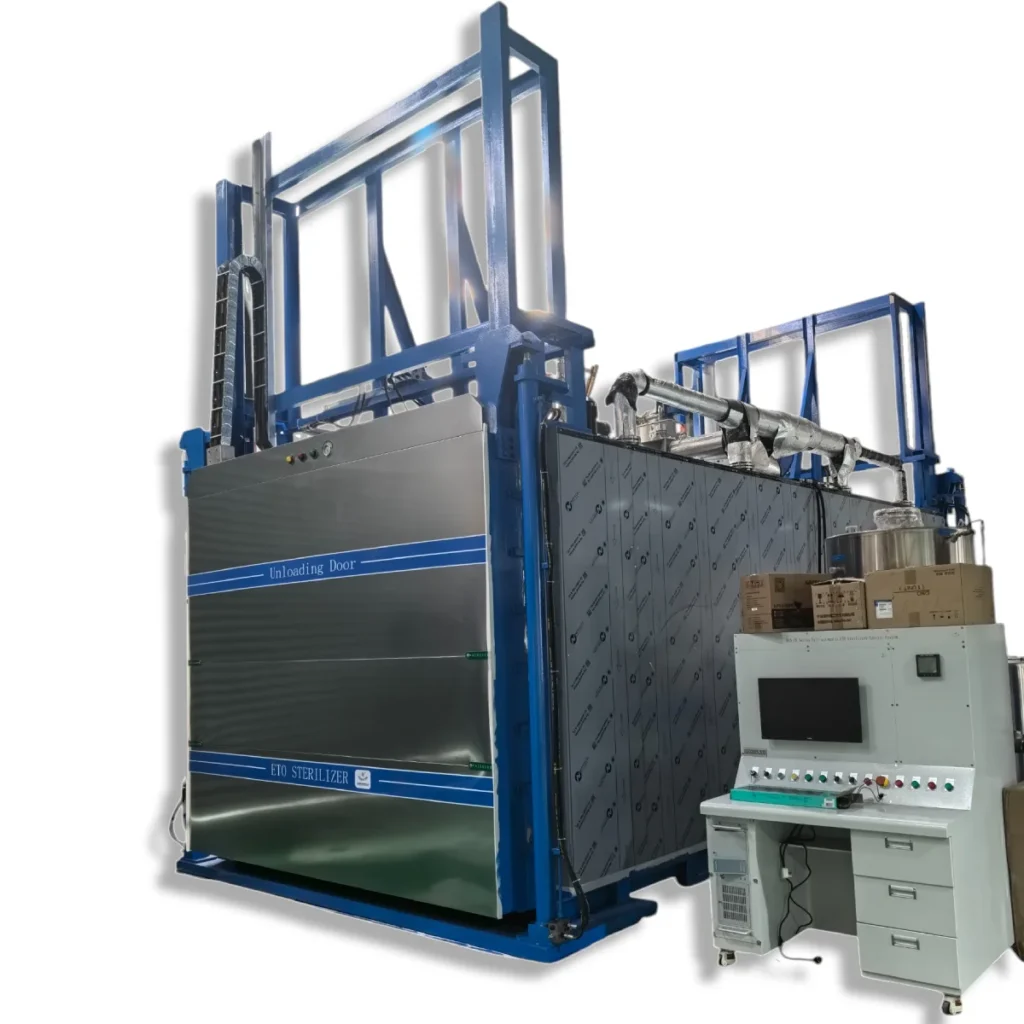
| Pintu Pensteril | Tudung atau kanopi ditutup pada setiap hujung di atas pintu. | Tangkap ETO “sendawa” apabila pintu dibuka selepas kitaran. |
| Talian Bekalan | Injap tangan talian gas pada sambungan silinder. | Minimumkan kebocoran semasa kitaran pengisian semula. |
Kejuruteraan Kemudahan Ketepatan dengan BOCON
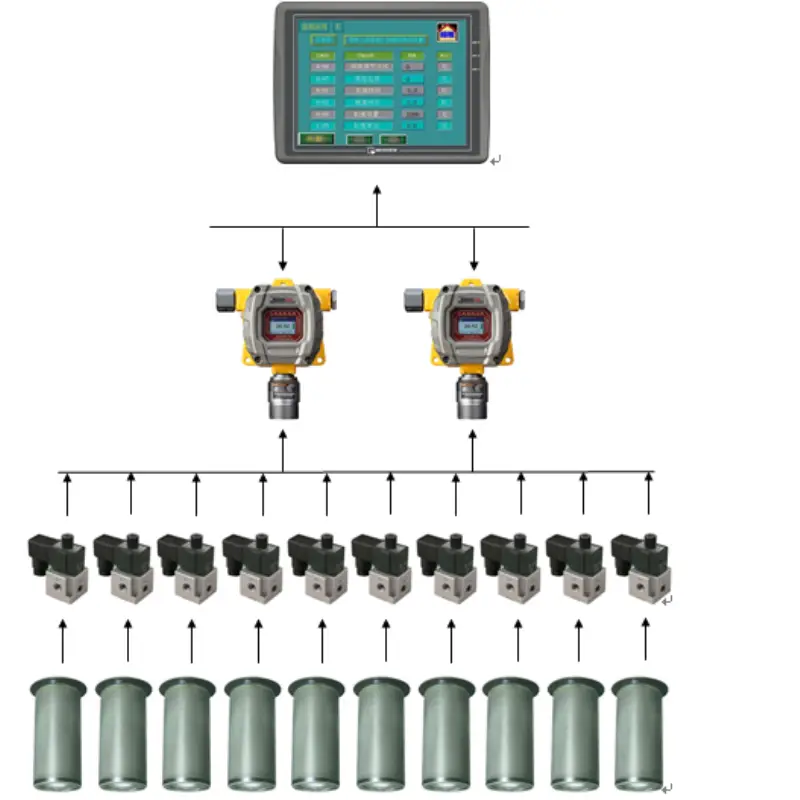
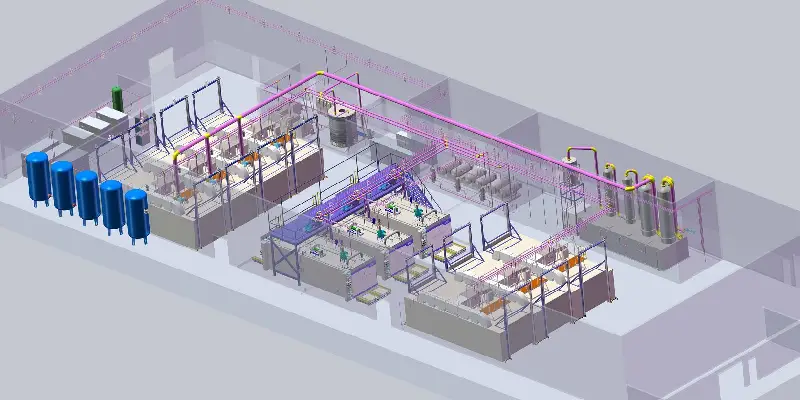
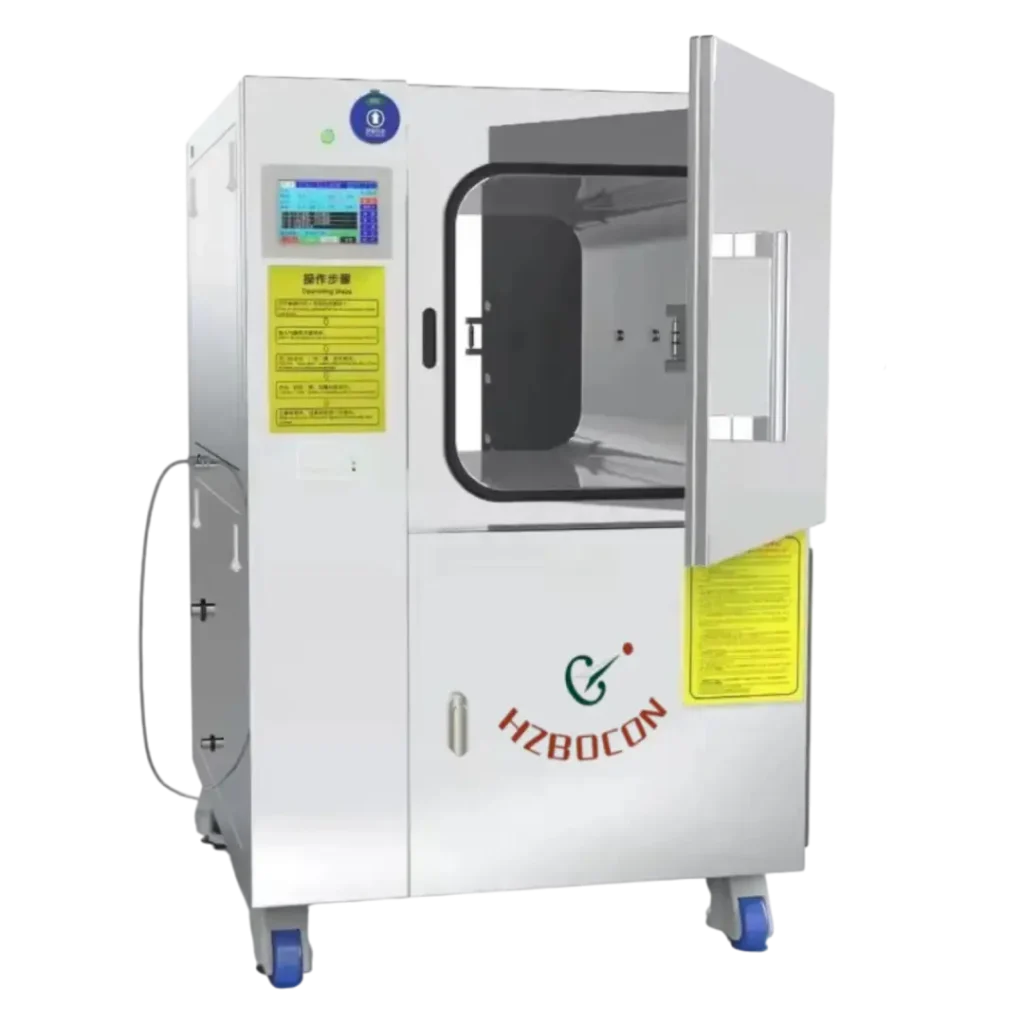
Di BOCON, kami menyediakan lebih daripada sekadar peralatan pensterilan. kami Pensteril ETO Siri BCS direka bentuk untuk disepadukan dengan lancar dengan infrastruktur pengudaraan kemudahan anda. Kami menawarkan perundingan komprehensif mengenai keseimbangan udara negatif, reka bentuk kanopi ekzos, dan antara muka pemantauan gas masa nyata untuk memastikan kawasan pensterilan anda mematuhi sepenuhnya peraturan keselamatan moden.
Key figures
| item | Requirement | Why it matters |
|---|---|---|
| Room exhaust | Dedicated “Ekzos Bilik Peralatan ETO”, all air discharged outdoors | No recirculation of sterilant into adjacent areas |
| Discharge location | Sekurang-kurangnya 25 ft (7,620 mm) from any building intake, operable window or personnel area | Prevents re-entrainment of exhausted EO |
| Cylinder change hood | Located no more than 1 ft (305 mm) above or behind the connection point | Captures gas released during cylinder changes |
| Door-open capture | Hood captures the ETO “sendawa” when the chamber door opens after a cycle | The highest short-term concentration in normal operation |
Frequently asked questions
How far must the exhaust discharge be from air intakes?
Sekurang-kurangnya 25 kaki (7,620 mm) from any building intake, operable window or area where people are present. The distance is what prevents exhausted ethylene oxide from being drawn back into the building.
Does the room need its own exhaust system?
ya. The area requires a dedicated “Ekzos Bilik Peralatan ETO” and all air must be discharged to the outside. Recirculating the room air would spread sterilant through the building.
How is gas captured during cylinder changes?
A dedicated exhaust hood is placed no more than 1 kaki (305 mm) above or behind the cylinder connection point, close enough to capture gas released while the fitting is opened.
What is the “sendawa” and how is it handled?
When the chamber door opens after a cycle, a small volume of residual gas escapes. The capture hood at the door is sized to take that “sendawa”, which is the highest short-term exposure in routine operation.