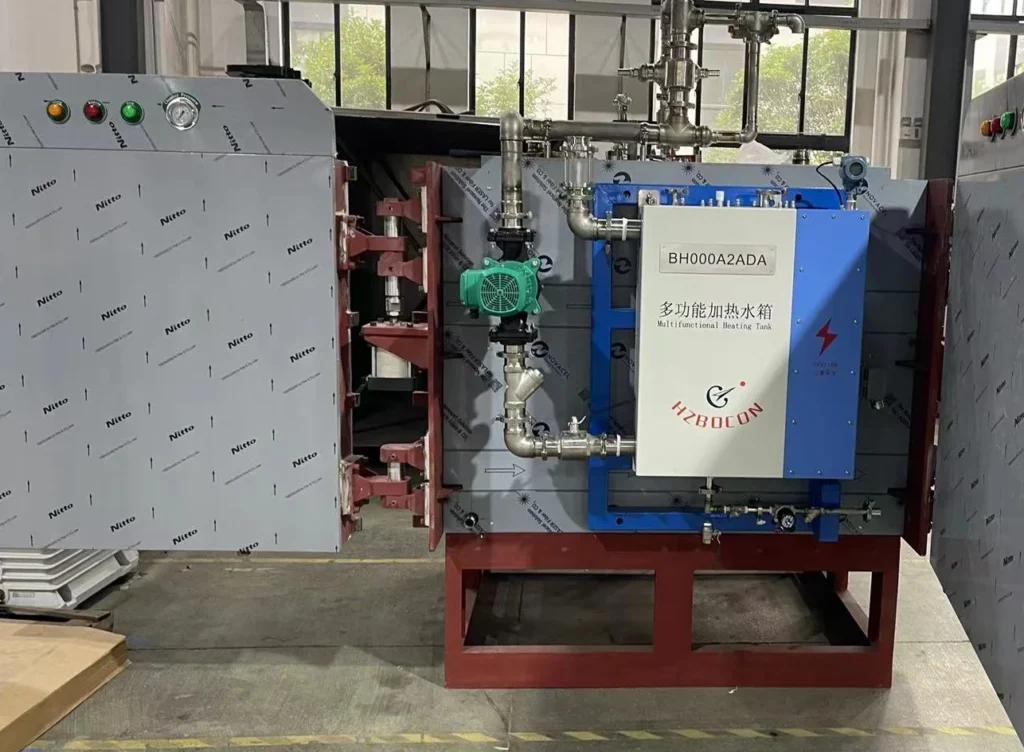
Protezione avanzata dalle esplosioni in ossido di etilene (EO) Processi di sterilizzazione
1. Concetto di esplosione e rischi nell'ossido di etilene (EO) Sterilizzazione
Un'esplosione avviene quando la concentrazione di una sostanza esplosiva miscelata con ossigeno rientra nei limiti di esplosività e incontra una fonte di ignizione. Questo fenomeno può portare a un’immensa distruzione. Nel contesto di Ossido di etilene (EO) Sterilizzazione, IL “Triangolo dell'esplosione” devono essere gestiti rigorosamente: Materiale combustibile, Ossidante, e fonte di accensione (Punto d'infiammabilità).
2. Standard di conformità per l'ossido di etilene (EO) Attrezzature per la sterilizzazione
Tutte le apparecchiature elettriche antideflagranti utilizzate per Ossido di etilene (EO) Sterilizzazione devono attenersi rigorosamente alle normative internazionali e nazionali:
- GB 3836-2021: Atmosfere esplosive (Equivalente all'IEC 60079:2017, IDT).
- GB 50058-2014: Codice per la progettazione di installazioni elettriche in ambienti pericolosi esplosivi.
3. Classificazione delle aree pericolose per l'ossido di etilene (EO) Sterilizzazione
Durante la progettazione di un Ossido di etilene (EO) Sterilizzazione facilità, le aree pericolose sono classificate in tre zone in base alla frequenza e alla durata della comparsa di miscele di gas esplosive:
- Zona 0: Presenza continua o comparsa a lungo termine di miscele di gas esplosive (per esempio., lo spazio sopra il livello del liquido all'interno di un serbatoio di EO).
- Zona 1: Durante il normale funzionamento è probabile che si formino miscele di gas esplosive (per esempio., vicino alle valvole di sicurezza Ossido di etilene (EO) Sterilizzazione camere).
- Zona 2: Durante il normale funzionamento è improbabile che si formino miscele di gas esplosive, o se lo fanno, esisterà solo per un breve periodo.
4. Interpretazione della segnaletica antideflagrante
Entro i parametri tecnici delle apparecchiature utilizzate Ossido di etilene (EO) Sterilizzazione, specifiche marcature Ex indicano la conformità. Questi simboli certificano che il prodotto è progettato per funzionare in sicurezza in ambienti ad alto rischio Ossido di etilene (EO) Sterilizzazione zone.
5. Strutture antideflagranti per ossido di etilene (EO) Ambienti di sterilizzazione
Tipi di protezione per Ossido di etilene (EO) Sterilizzazione includere: A prova di fiamma (D), Maggiore sicurezza (e), Sicurezza intrinseca (io), Pressurizzato (P), Immerso nell'olio (o), Pieno di sabbia (Q), E Incapsulato (M).
5.1 Evoluzione dell'antideflagrante (D) Standard
Gli standard più recenti per Ossido di etilene (EO) Sterilizzazione le apparecchiature classificano le strutture ignifughe come:
- E: Adatto per Zona 0 (per esempio., sensori catalitici in rivelatori portatili).
- db: Il tipo ignifugo standard utilizzato nel tradizionale Ossido di etilene (EO) Sterilizzazione configurazioni.
- DC: Adatto per apparecchiature con contatti di commutazione elettrici.
5.2 Sicurezza intrinseca (Ex i) nell'ossido di etilene (EO) Sterilizzazione
Sicurezza intrinseca (Ex i) previene un'esplosione limitando l'energia elettrica (scintille ed effetti termici) prodotto da uno strumento. In un Ossido di etilene (EO) Sterilizzazione sistema di controllo, ciò è ottenuto attraverso barriere di sicurezza.
6. Categorie di materiali per l'ossido di etilene (EO) Sterilizzazione
Le sostanze esplosive sono suddivise nella Classe I (Metano), Classe II (Gas/Vapori), e Classe III (Polvere/Fibre).
Classificazione EO: Per GB 3836-2021, L'ossido di etilene è un gas di classe IIB. Perciò, tutte le apparecchiature elettriche utilizzate Ossido di etilene (EO) Sterilizzazione deve essere valutato come Classe IIB (o Classe IIC, che offre un livello di protezione più elevato che copre i requisiti IIB).
7. Gruppi di temperatura superficiale massima
La temperatura superficiale massima di qualsiasi componente elettrico all'interno Ossido di etilene (EO) Sterilizzazione l'atmosfera deve rimanere sempre al di sotto della temperatura di accensione della miscela di gas EO per evitare una combustione accidentale.
8. Livelli di protezione delle apparecchiature (EPL) negli ambienti EO
L'EPL definisce il livello di mitigazione del rischio per Ossido di etilene (EO) Sterilizzazione attrezzatura:
- Ga / Mamma / E: “Molto alto” livello di protezione; sicuro durante il normale funzionamento, difetti attesi, e rari difetti rari.
- GB / MB / Db: “Alto” livello di protezione; sicuro durante il normale funzionamento e i guasti previsti.
- Gc / DC: “Normale” livello di protezione; sicuro durante il normale funzionamento del Ossido di etilene (EO) Sterilizzazione processo.
Proteggi il tuo ossido di etilene (EO) Conformità alla sterilizzazione
Assicurati che il tuo Ossido di etilene (EO) Sterilizzazione l'attrezzatura soddisfa l'ultimo GB 3836 e gli standard di sicurezza IEC.
Prenota un audit di sicurezza sulla sterilizzazione con ossido di etilene