Common Root Causes of EO Gas Residue and Reduction Methods
Managing high levels of Ethylene Oxide (EO) residue after the sterilization process is a critical challenge for medical device manufacturers. Understanding the root causes and implementing effective reduction parameters is essential for compliance with safety standards like ISO 10993-7.
Root Causes of High EO Residue
Natural materials (cellulose, cotton) and certain plastics are highly absorbent, retaining EO gas molecules much longer than metals or glass.
Breathable barriers are essential. Large adhesive labels or non-porous films can obstruct gas movement, trapping EO residuals inside the package.
The volume and density of the load on a pallet impact gas removal. Lack of airflow prevents effective off-gassing after processing.
Effective Methods for Residue Reduction
Most EO residue issues can be resolved by adjusting sterilization parameters or upgrading equipment features. Consider the following proven methods:
Expert EO Consultation with BOCON
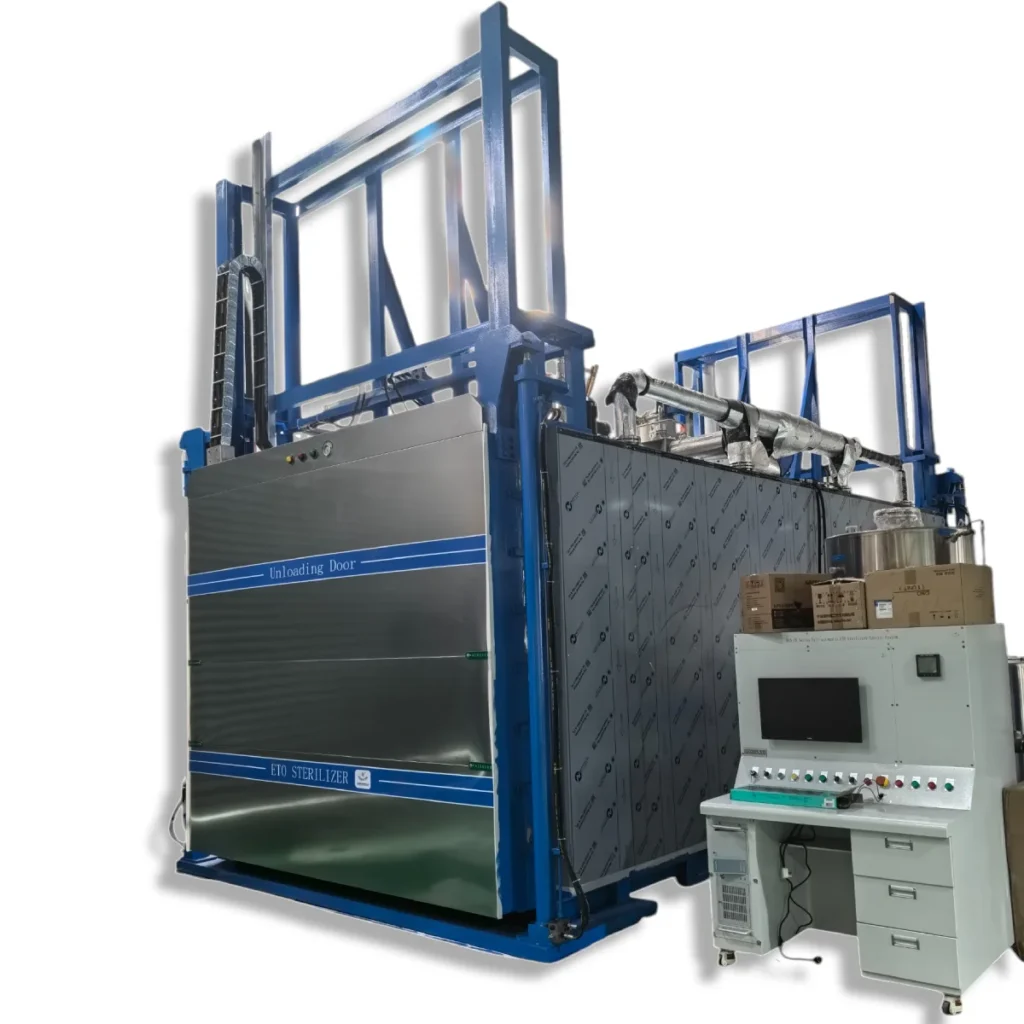
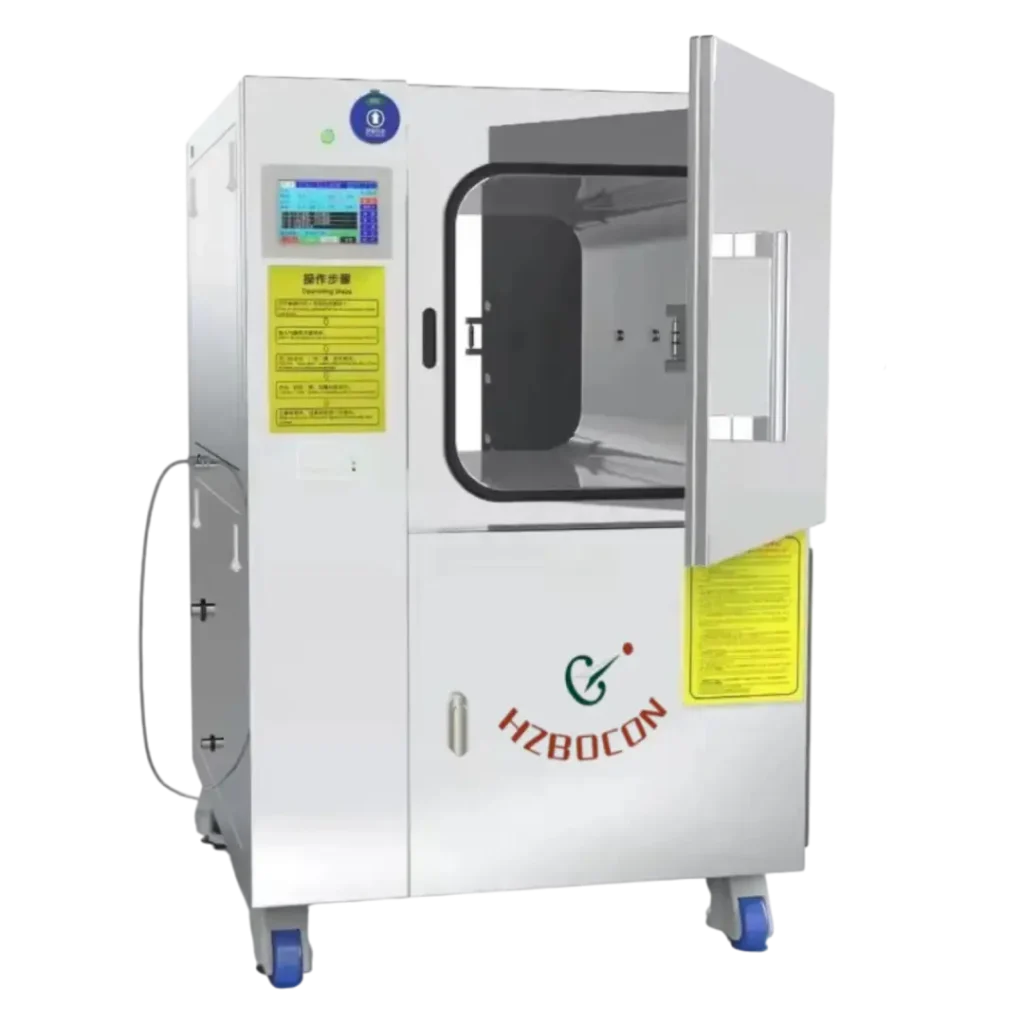
If you are anticipating residue challenges with a new device, BOCON’s engineering team can provide customized EO sterilization cycles. Our BCS Series ETO Sterilizers are equipped with high-precision Nitrogen wash systems and integrated aeration protocols to ensure your residual EO levels meet the strictest regulatory requirements.