Diretrizes de Engenharia para Áreas de Esterilização ETO
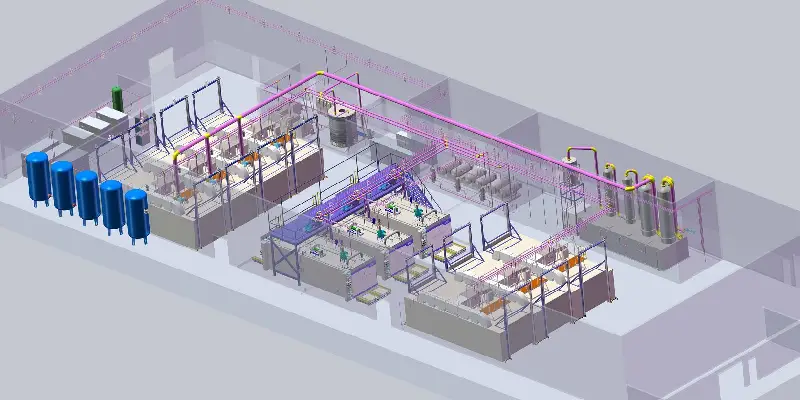
Projetando uma instalação para Óxido de Etileno (ALINHAR) a esterilização exige adesão rigorosa aos padrões de ventilação e exaustão para proteger o pessoal e garantir a segurança ambiental. O objetivo principal é manter um balanço de ar negativo e garantir que todos os resíduos de gás sejam capturados e esgotados através de, sistemas não recirculantes.
1. Ventilação & Padrões de exaustão
2. Especificações Técnicas para Sistemas Dedicados
| Componente do sistema | Requisito de projeto | Objetivo de segurança |
|---|---|---|
| Unidades de aeração | Escape dedicado não recirculante. | Elimine a emissão de gases ETO dos produtos. |
| Válvula de alívio | Canalizado diretamente para um ponto externo de alta altitude. | Garanta que a liberação de emergência de alta pressão ignore as entradas. |
| Porta do esterilizador | Capô ou cobertura fechada em cada extremidade da porta. | Capturar ETO “arrotar” quando a porta é aberta pós-ciclo. |
| Linhas de abastecimento | Válvulas manuais da linha de gás na conexão do cilindro. | Minimize o vazamento durante os ciclos de reabastecimento. |
Precision Facility Engineering with BOCON
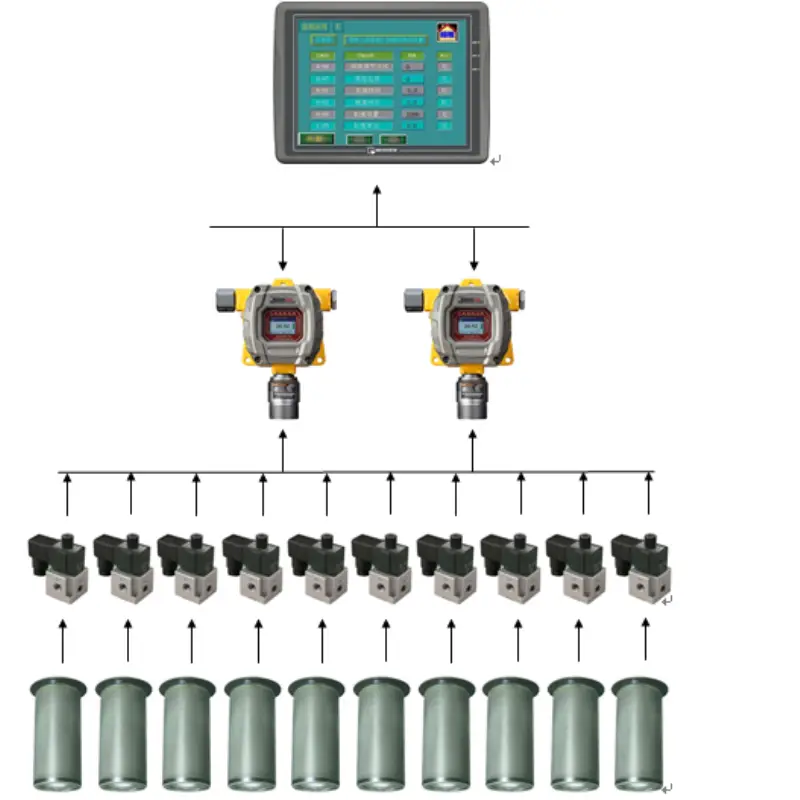
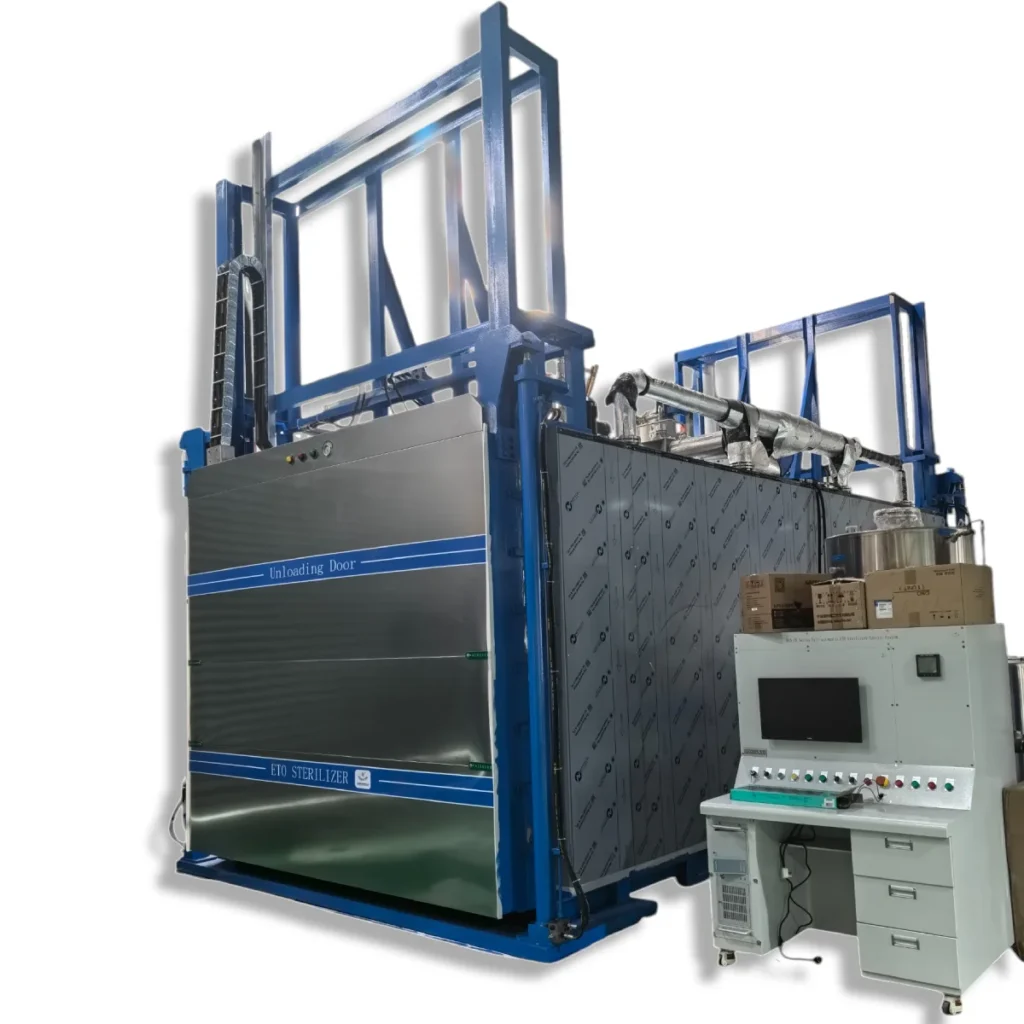
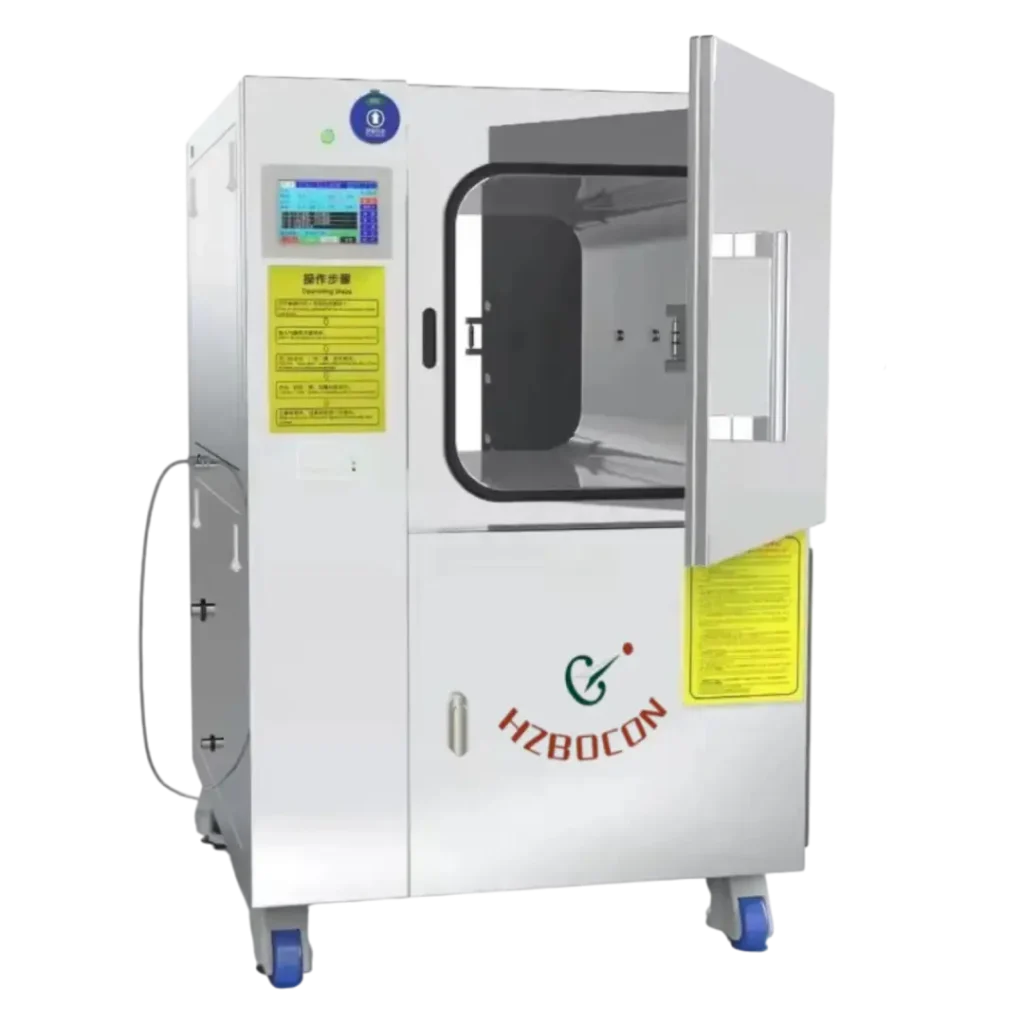
No BOCON, we provide more than just sterilization equipment. Nosso Esterilizadores ETO Série BCS are designed to integrate seamlessly with your facility’s ventilation infrastructure. We offer comprehensive consulting on balanço de ar negativo, exhaust canopy design, e real-time gas monitoring interfaces to ensure your sterilization area is fully compliant with modern safety regulations.
Key figures
| Item | Requirement | Why it matters |
|---|---|---|
| Room exhaust | Dedicated “Exaustão da sala de equipamentos ETO”, all air discharged outdoors | No recirculation of sterilant into adjacent areas |
| Discharge location | Pelo menos 25 ft (7,620 milímetros) from any building intake, operable window or personnel area | Prevents re-entrainment of exhausted EO |
| Cylinder change hood | Located no more than 1 ft (305 milímetros) above or behind the connection point | Captures gas released during cylinder changes |
| Door-open capture | Hood captures the ETO “arrotar” when the chamber door opens after a cycle | The highest short-term concentration in normal operation |
Frequently asked questions
How far must the exhaust discharge be from air intakes?
Pelo menos 25 pés (7,620 milímetros) from any building intake, operable window or area where people are present. The distance is what prevents exhausted ethylene oxide from being drawn back into the building.
Does the room need its own exhaust system?
Sim. The area requires a dedicated “Exaustão da sala de equipamentos ETO” and all air must be discharged to the outside. Recirculating the room air would spread sterilant through the building.
How is gas captured during cylinder changes?
A dedicated exhaust hood is placed no more than 1 pé (305 milímetros) above or behind the cylinder connection point, close enough to capture gas released while the fitting is opened.
What is the “arrotar” and how is it handled?
When the chamber door opens after a cycle, a small volume of residual gas escapes. The capture hood at the door is sized to take that “arrotar”, which is the highest short-term exposure in routine operation.