
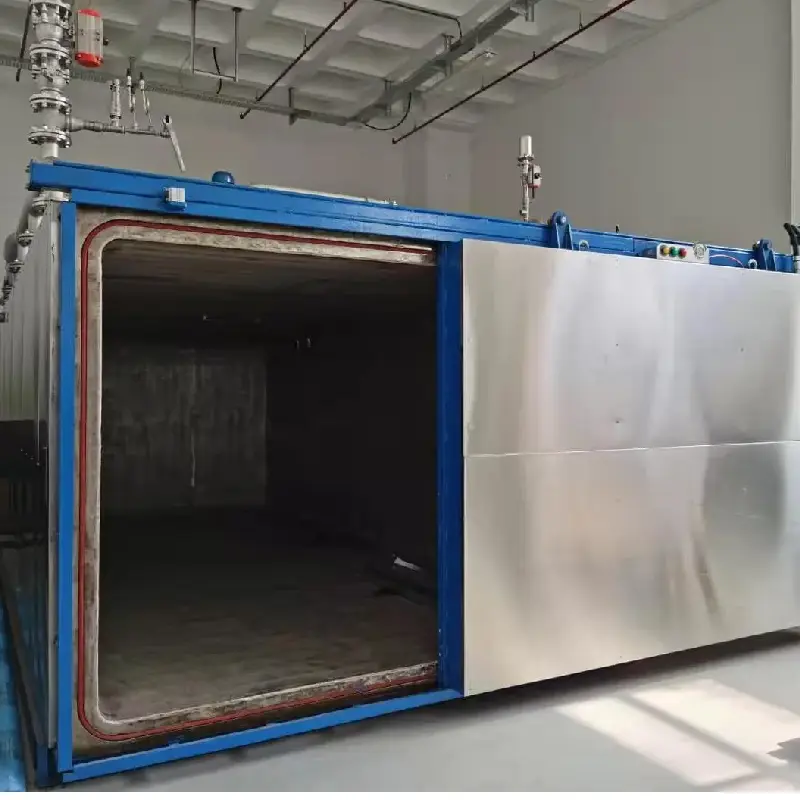
What Can Be Sterilized By ETO?
Ethylene oxide (ETO) sterilization is recognized as one of the most versatile low-temperature sterilization methods. Its powerful gaseous penetration allows it to effectively eliminate microorganisms from complex, heat-sensitive, and multi-layered products. From clinical devices to sensitive biologicals, ETO remains a cornerstone of modern sterilization.
Common Applications & Product Categories
Essential for high-precision surgical instruments, specialized catheters, syringes, tubing systems, and multi-component clinical kits.
Includes various drugs, vaccines, and biologics where high-temperature steam would compromise the active ingredients.
Effectively sterilizes glassware, petri dishes, precision pipettes, and culture media without leaving residues that affect research results.
The go-to method for pacemakers, defibrillators, and advanced sensors with sensitive electronic components that cannot withstand heat.
Safe for orthopedic prosthetics and implantable devices made of diverse materials such as titanium, surgical-grade plastics, or rubber.
Widely used for sterilizing spices and specialized plastic packaging to prevent contamination while preserving flavor and integrity.
Ensures the safety of creams, lotions, and powders by eliminating bacterial growth during the manufacturing process.
Material Compatibility Note
One of the primary reasons ETO gas is so prevalent is its compatibility with a vast range of materials that are typically destroyed by autoclaves. This includes polycarbonate, polyethylene, most elastomers, paper-based packaging, and delicate electronic circuitry.
Why ETO is the Preferred Method?
The primary advantage of Ethylene Oxide Sterilization is its ability to reach sterility at temperatures as low as 37°C to 55°C. This unique “cold” process prevents the warping, melting, or functional failure of high-tech medical and industrial materials. At BOCON, we provide the equipment necessary to handle these diverse products safely and efficiently.