エチレンオキサイド (EOまたはEtO) 滅菌後の残留物
その間 エチレンオキサイド (EO) 殺菌 医療機器の互換性のゴールドスタンダードです, 処理後に化学物質が残留する可能性は安全上の重大な懸念事項です. 製造業者は、すべての製品が次の条件に準拠していることを確認する必要があります。 ISO 10993-7 (あみ 10993-7) 潜在的な毒性から患者を守るための基準.
残留物質の種類
開催中および開催後 EO滅菌プロセス, チャンバーまたはパッケージ内の化学相互作用に基づいて、3 つの主要な残留物が存在する可能性があります。:
1. エチレンオキサイド (EO)
デバイスの材料またはパッケージに吸収されたままになる可能性のある一次滅菌ガス.
2. エチレンクロロヒドリン (それぞれ)
形成: EO + 遊離塩化物イオン
EO が塩素または PVC を含む材料と反応するときに生成されることが多い有毒な副生成物.
3. エチレングリコール (例えば)
形成: EO + 水 (H2O)
サイクルまたはエアレーション中に残留ガスが水分と反応して形成される.
標準制限 (あみ 10993-7)
許可される制限 エチレンオキサイド残留物 患者との接触の期間と種類によって異なる:
| カテゴリ | 接触期間 | 制限要件 |
|---|---|---|
| 限定された使用 | < 24 営業時間 | 急性曝露に対する厳しい制限 |
| 長期使用 | 24 までの時間 30 日数 | 適用される 1 日の平均用量制限 |
| 永久使用 | > 30 日数 | 最も厳しい生涯線量制限 |
接触許容限界について (TCL)
直接表面接触するデバイスやインプラントも、 許容接触限界 (TCL). この指標は、次の物質の放出によって引き起こされる局所的な皮膚または組織の炎症を防ぎます。 EO または ECH. TCL は、記録された残留レベルに対してデバイスの総表面積を分析することによって計算されます。.
BOCON が ISO を満たすのにどのように役立つか 10993-7
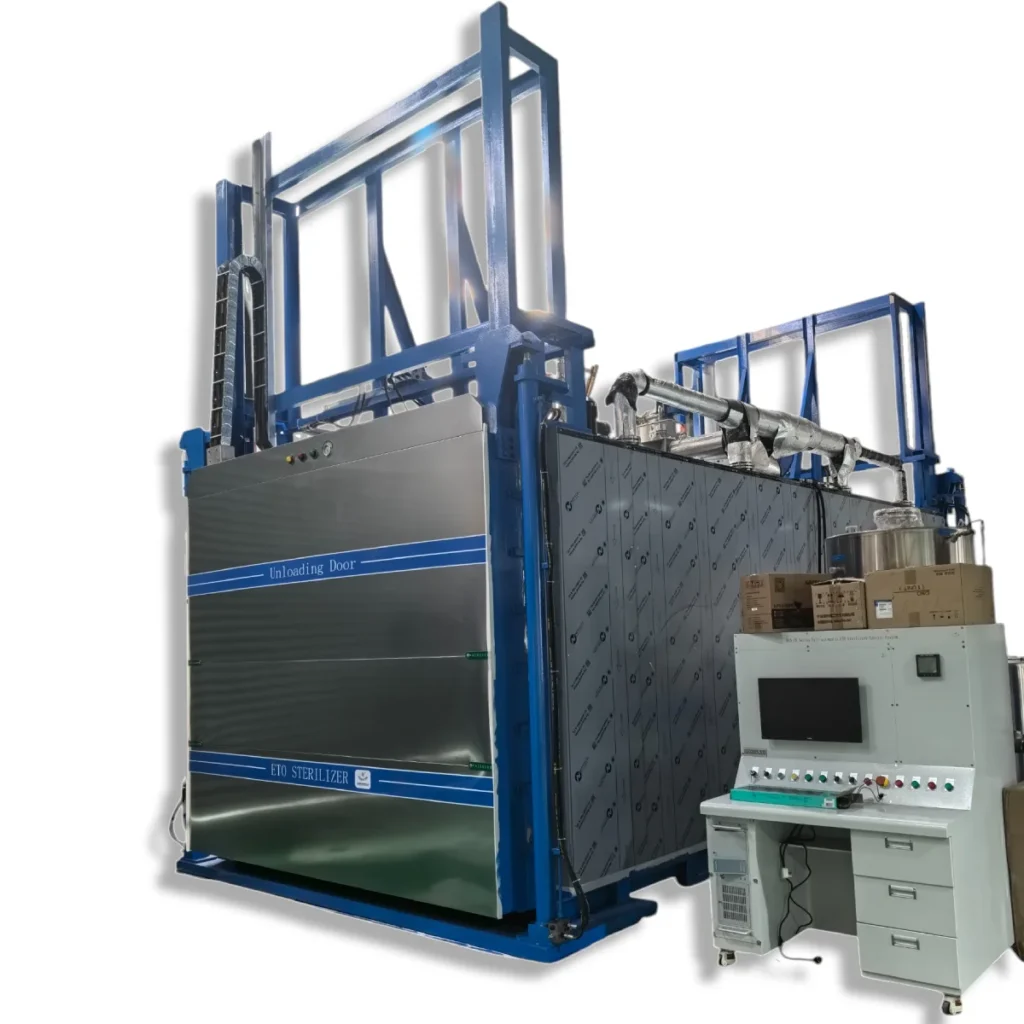
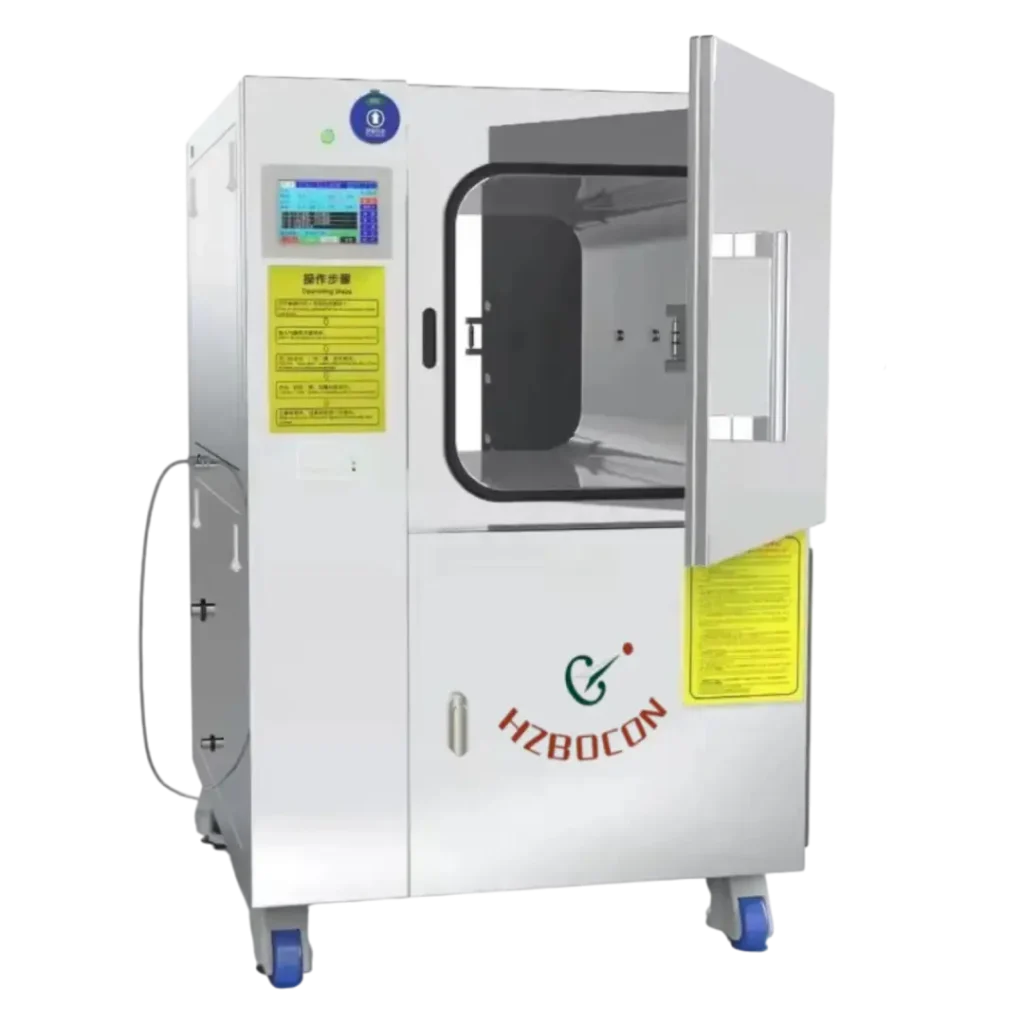
ボーコンの BCS シリーズ ETO 滅菌器 高度な統合機能 曝気システム. 加熱エアレーションと高効率真空パルスを組み合わせることで, 当社の装置は除去を大幅に加速します エチレンオキサイド残留物. これにより、医療機器がより早く安全な TCL レベルに達することが保証されます, リードタイムを短縮し、完全なコンプライアンスを確保します。 FDA および AAMI 規格.