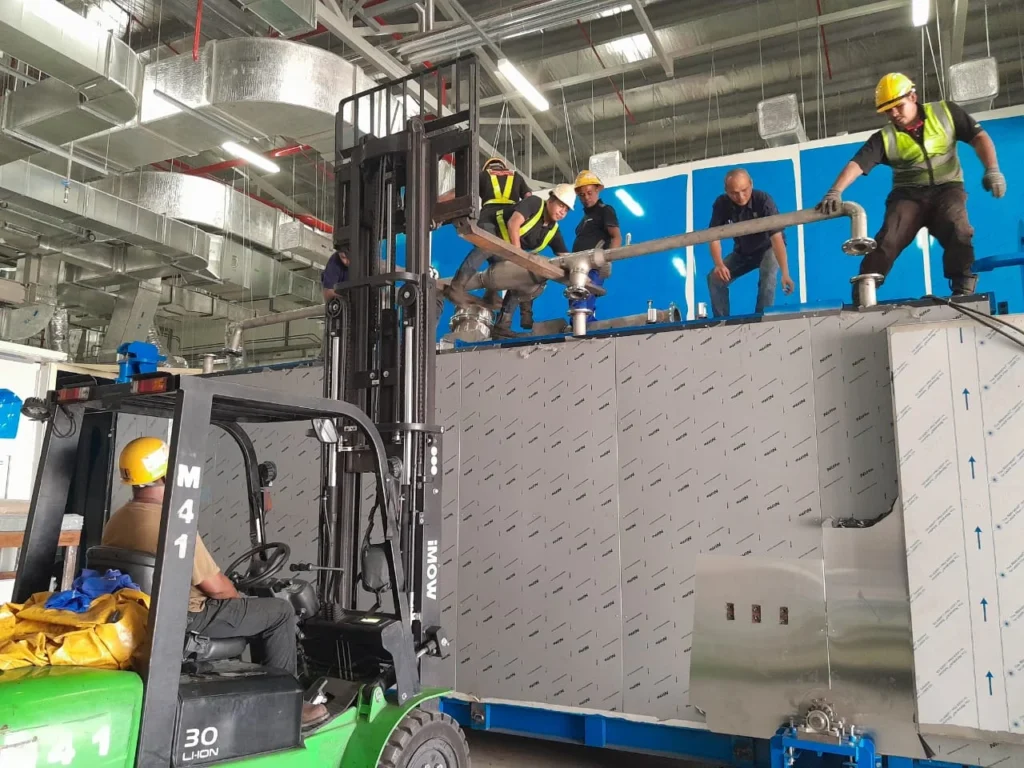
エンジニアリングガイドライン ETO滅菌エリア
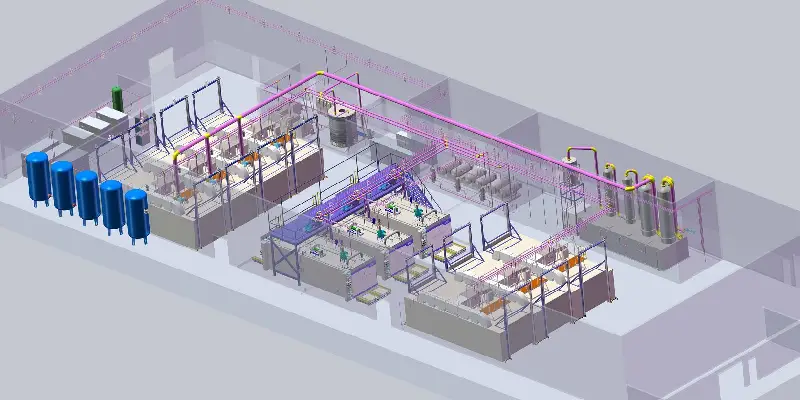
エチレンオキシドの施設設計 (並ぶ) 滅菌には、人員を保護し環境の安全性を確保するために、換気と排気の基準を厳格に遵守する必要があります。. 主な目的は、 マイナスのエアバランス すべてのガス残留物が専用の装置を通じて確実に捕捉され、排出されるようにします。, 非再循環システム.
1. 換気 & 排気規格
2. 専用システムの技術仕様
| システムコンポーネント | 設計要件 | 安全性の目標 |
|---|---|---|
| 曝気装置 | 非再循環専用排気. | 製品からの ETO オフガスの排除. |
| リリーフバルブ | 屋外の高所地点に直接配管. | 高圧緊急リリースが吸気口をバイパスするようにする. |
| 滅菌器ドア | ボンネットまたはキャノピーはドアの両端で閉じられています. | ETOを捕獲する “げっぷ” サイクル後にドアが開いたとき. |
| 供給ライン | シリンダー接続部のガスラインハンドバルブ. | 補充サイクル中の漏れを最小限に抑える. |
BOCONによる精密設備エンジニアリング
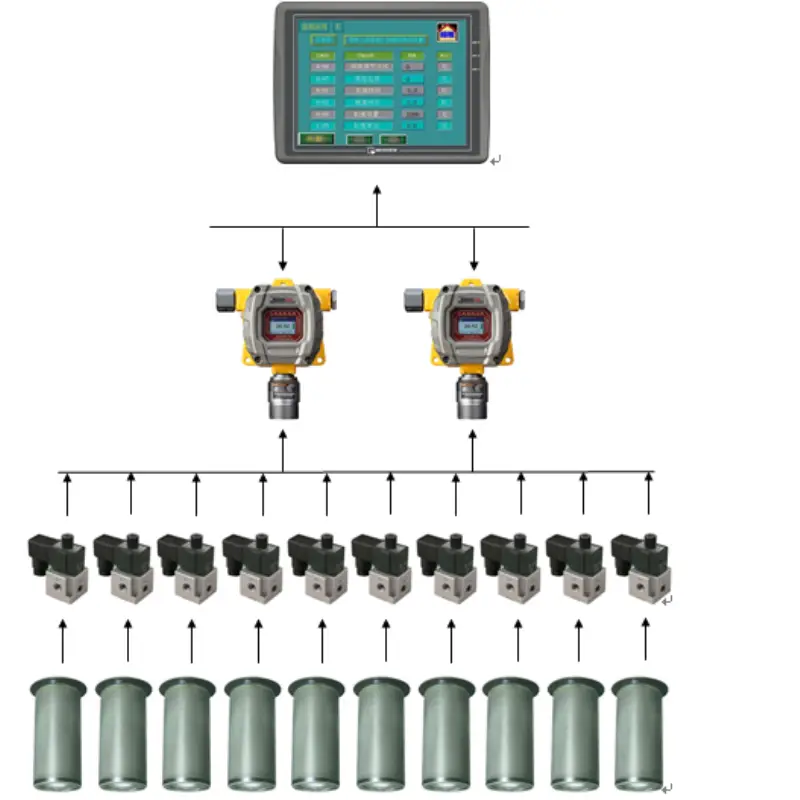
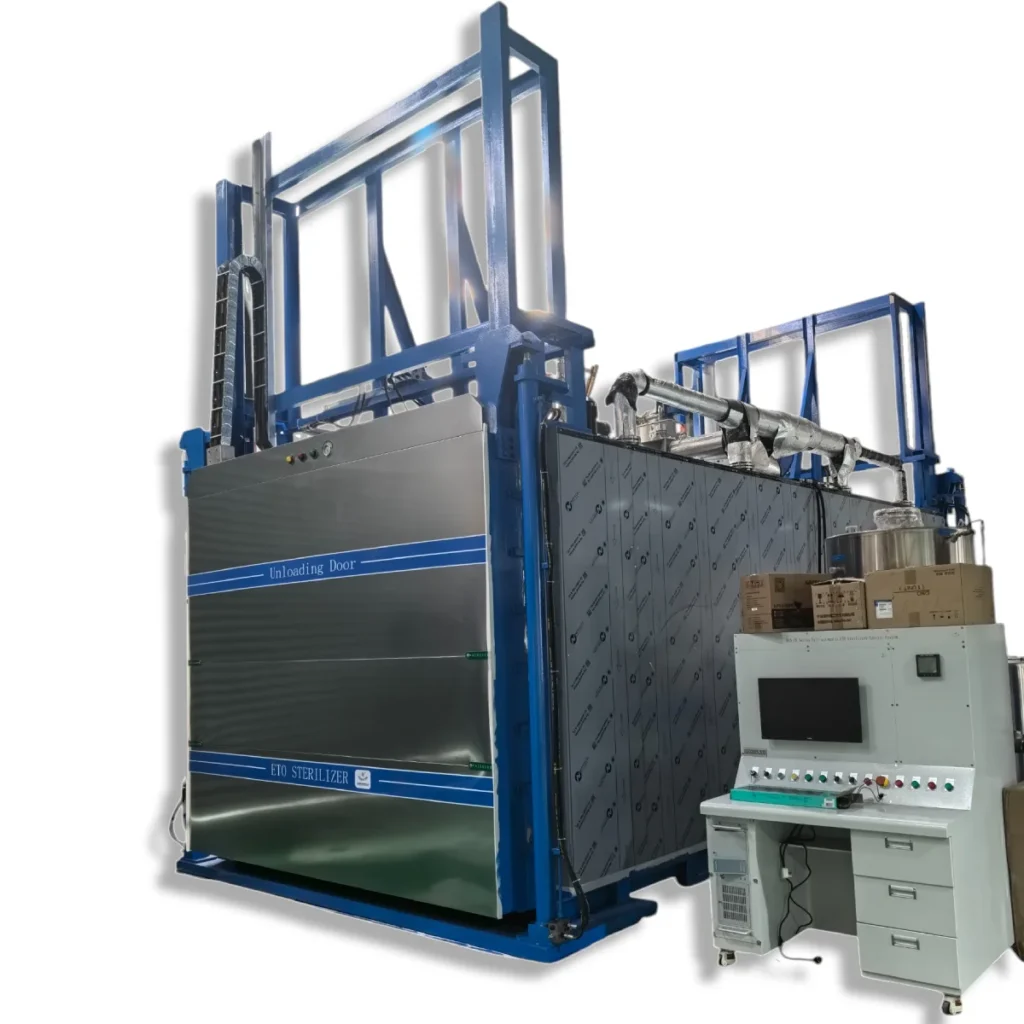
ボーコンにて, 私たちが提供するのは滅菌装置だけではありません. 私たちの BCS シリーズ ETO 滅菌器 施設の換気インフラストラクチャとシームレスに統合できるように設計されています. 総合的なコンサルティングをご提供いたします マイナスのエアバランス, 排気キャノピーのデザイン, そして リアルタイムガス監視インターフェース 滅菌エリアが最新の安全規制に完全に準拠していることを確認します.
Key figures
| アイテム | Requirement | Why it matters |
|---|---|---|
| Room exhaust | Dedicated “ETO 機器室排気”, all air discharged outdoors | No recirculation of sterilant into adjacent areas |
| Discharge location | At least 25 ft (7,620 mm) from any building intake, operable window or personnel area | Prevents re-entrainment of exhausted EO |
| Cylinder change hood | Located no more than 1 ft (305 mm) above or behind the connection point | Captures gas released during cylinder changes |
| Door-open capture | Hood captures the ETO “げっぷ” when the chamber door opens after a cycle | The highest short-term concentration in normal operation |
Frequently asked questions
How far must the exhaust discharge be from air intakes?
At least 25 足 (7,620 mm) from any building intake, operable window or area where people are present. The distance is what prevents exhausted ethylene oxide from being drawn back into the building.
Does the room need its own exhaust system?
はい. The area requires a dedicated “ETO 機器室排気” and all air must be discharged to the outside. Recirculating the room air would spread sterilant through the building.
How is gas captured during cylinder changes?
A dedicated exhaust hood is placed no more than 1 足 (305 mm) above or behind the cylinder connection point, close enough to capture gas released while the fitting is opened.
What is the “げっぷ” and how is it handled?
When the chamber door opens after a cycle, a small volume of residual gas escapes. The capture hood at the door is sized to take that “げっぷ”, which is the highest short-term exposure in routine operation.