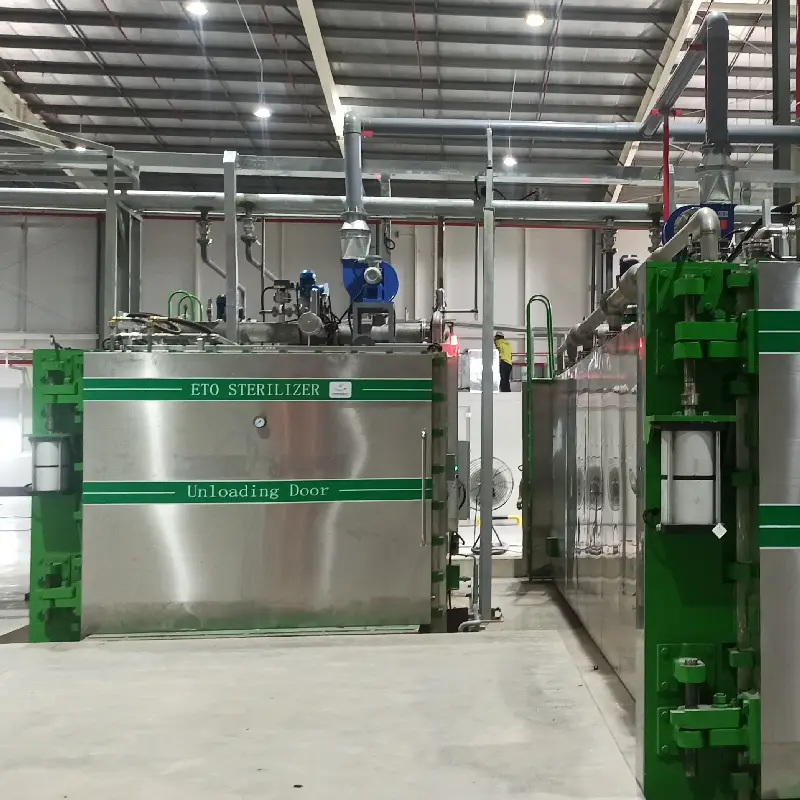
Sterilizzazione con ossido di etilene: Comprehensive Safety Factors
Safety is the most critical pillar of Ossido di etilene (EO) sterilizzazione. Because EO is a highly effective yet hazardous gas, a professional sterilization facility must prioritize a three-dimensional safety framework encompassing patients, workers, and the environment.
Sicurezza del paziente
- Residual EO Control: Ensuring products undergo rigorous aeration post-sterilization. Advanced degassing cycles are mandatory to bring residuals well below ISO 10993-7 limits.
- Material Integrity: Validating that EO does not degrade medical device materials, ensuring the product remains safe and functional for clinical use.
Worker Safety
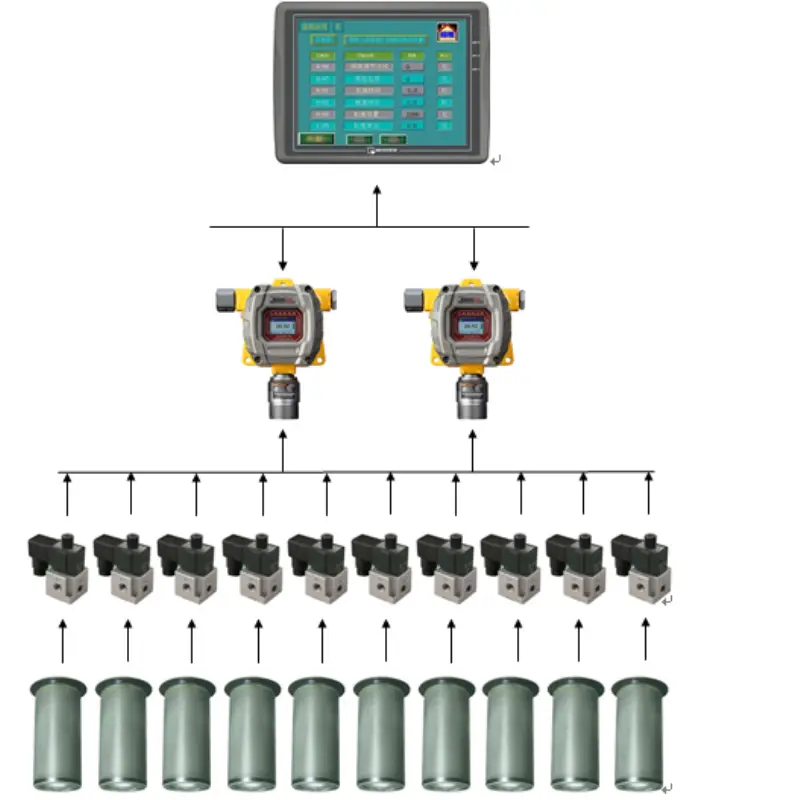
- Real-time Monitoring: Continuous gas detection in the workplace to alert staff of even trace EO levels.
- PPE Protocol: Strictly enforcing the use of specialized Personal Protective Equipment (DPI), compresi guanti e maschere resistenti agli agenti chimici durante la manutenzione o la movimentazione delle bombole di gas.
Sicurezza ambientale
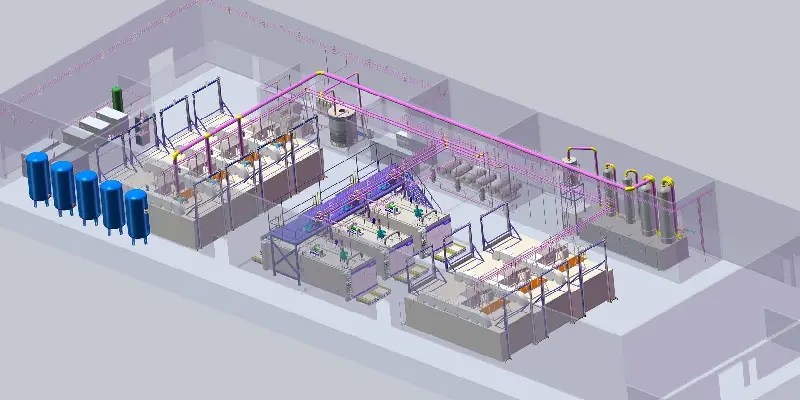
- Sistemi di abbattimento: Utilizzo di scrubber o ossidatori catalitici ad alta efficienza per neutralizzare il gas OE prima del rilascio nell’atmosfera.
- Conformità normativa: Aderenza alle leggi EPA/ambientali locali e federali relative alle emissioni di gas e ai rifiuti industriali.
⚠️
Suggerimento per la sicurezza: Un efficace ciclo di sterilizzazione con ossido di etilene è solo metà dell’opera. La vera misura di un sistema professionale è la sua capacità di proteggere l'operatore e l'ambiente circostante attraverso interventi automatizzati Lavaggi con azoto e design del vaso a prova di perdite.
Ingegneria della sicurezza al BOCON
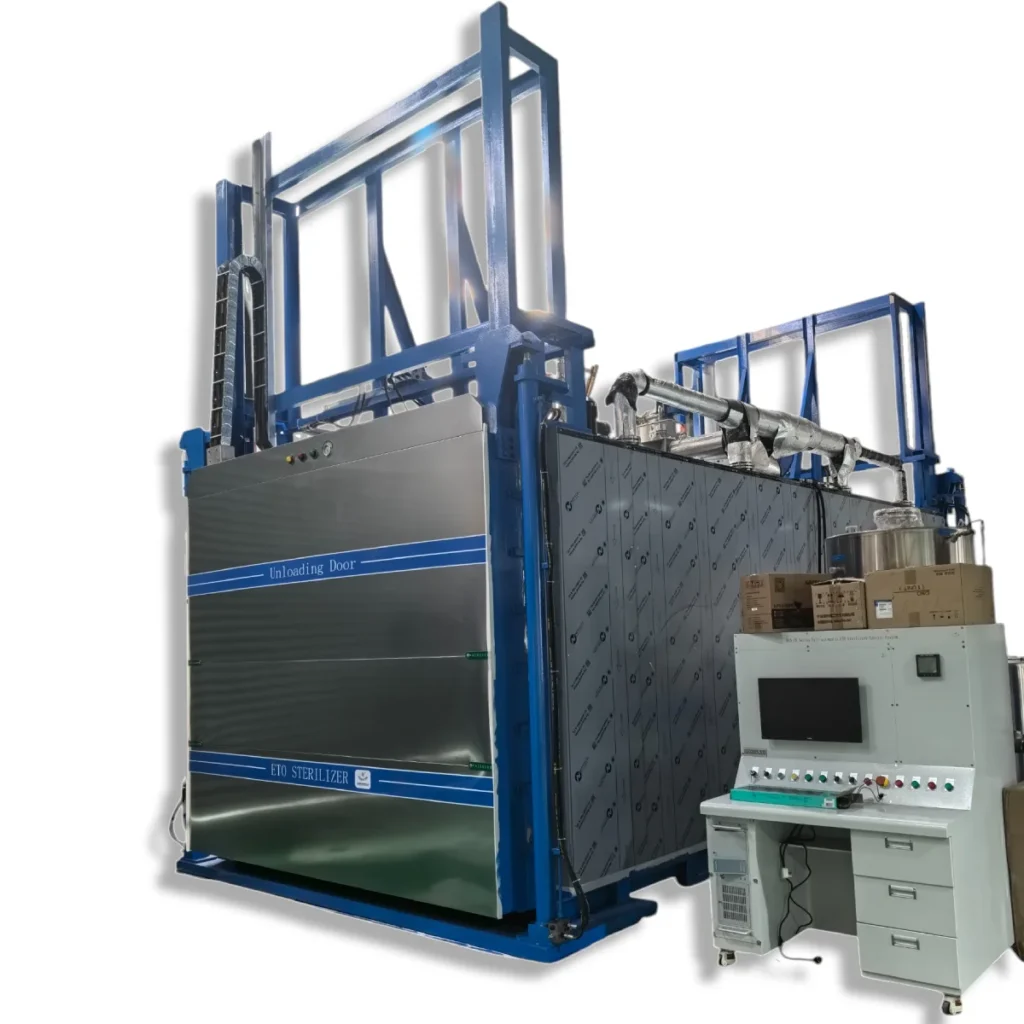
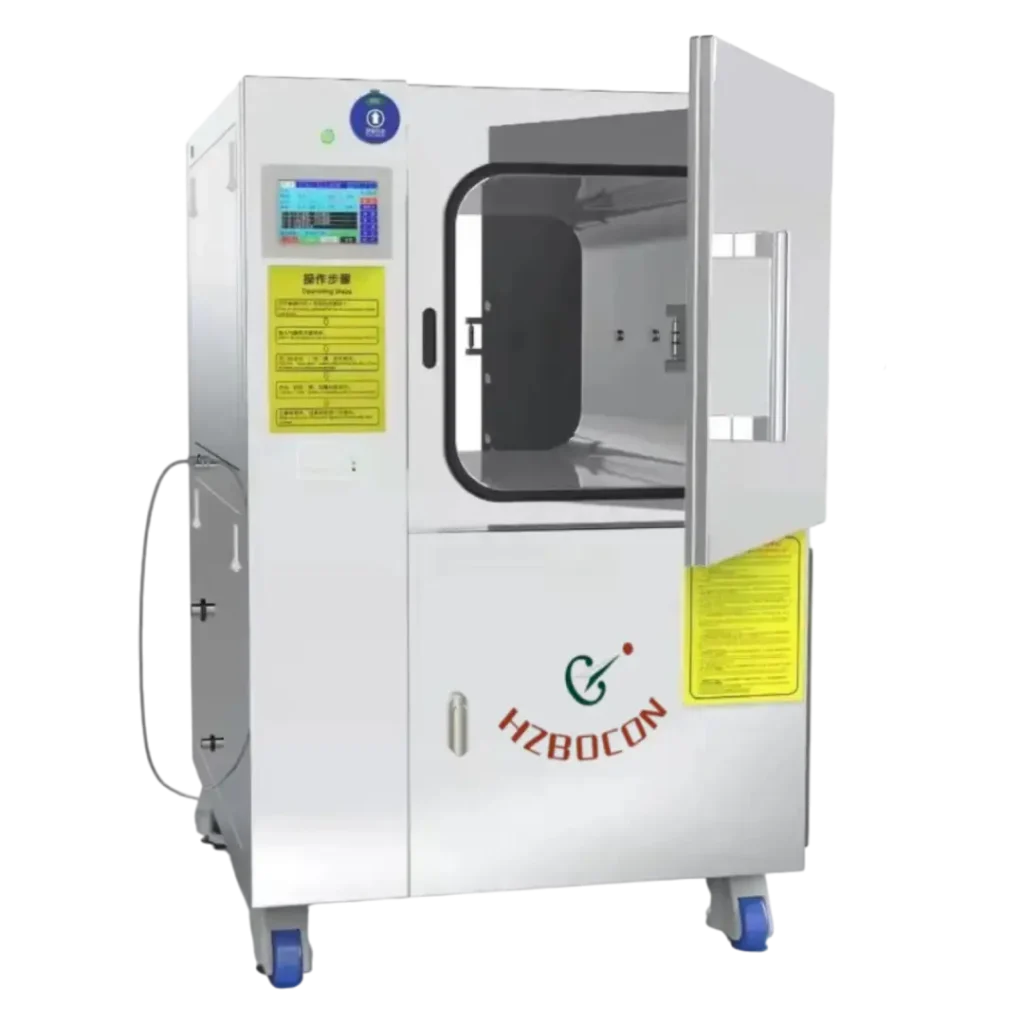
BOCON Sterilizzatori ETO serie BCS sono costruiti con a “La sicurezza prima di tutto” filosofia. Le nostre apparecchiature sono dotate di interblocchi di sicurezza a doppia ridondanza, interfacce automatizzate per il monitoraggio del gas, e avanzato EO abatement technology. By addressing these safety factors at the engineering level, we help medical device manufacturers achieve SAL 10⁻⁶ while prioritizing the well-being of their staff and the global environment.