Guida alla compatibilità dei materiali per l'ossido di etilene (EO) Sterilizzazione
Una scheda tecnica completa che analizza il polimero, elastomero, e resistenza del metallo ai circuiti di sterilizzazione con gas chimici.
1. Il ruolo dell'ossido di etilene (EO) Sterilizzazione nell'ingegneria moderna
Ossido di etilene (EO) Sterilizzazione è una metodologia di sterilizzazione chimica a bassa temperatura ampiamente riconosciuta, studiata appositamente per componenti sensibili al calore e all'umidità. È eccezionalmente popolare nella produzione di dispositivi medici, laboratori di ricerca biologica, e applicazioni microfluidiche perché raggiunge la totale eradicazione microbica senza sottoporre strumenti delicati ad elevate temperature operative.
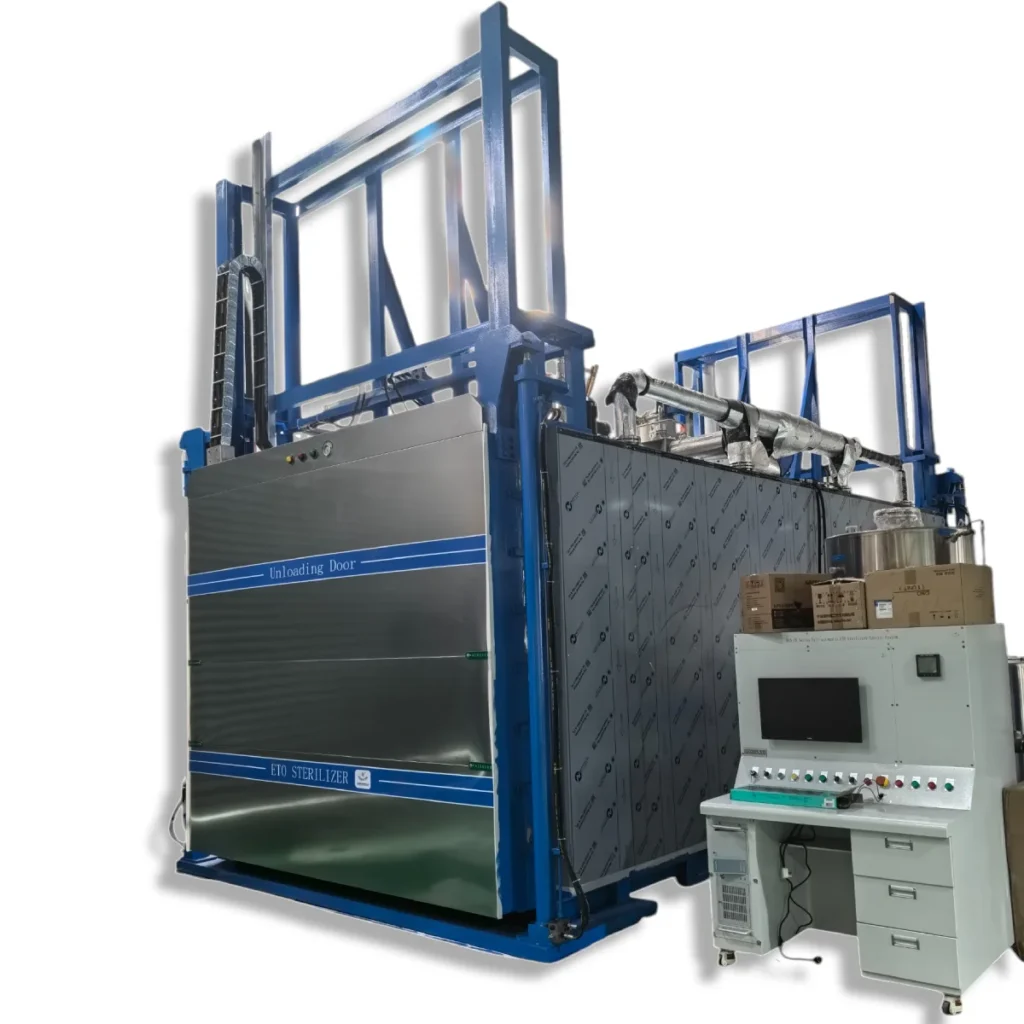
La norma Ossido di etilene (EO) Sterilizzazione il flusso di lavoro prevede l'esposizione dei componenti del substrato a concentrazioni controllate di ossido di etilene gassoso all'interno di una camera industriale sigillata sotto vuoto. Questo gas altamente penetrante si infiltra negli spazi geometrici complessi, interrompendo efficacemente la catena del DNA microbico attraverso l'alchilazione per garantire l'assoluta sterilità. La sua natura non termica lo rende l'opzione principale per la sterilizzazione di materiali termoplastici personalizzati, biopolimeri, e chipset elettronici integrati che si deformerebbero facilmente in caso di autoclavaggio a vapore convenzionale o di processi ad alta temperatura.
Tuttavia, nonostante l'impareggiabile efficacia di Ossido di etilene (EO) Sterilizzazione, un'areazione post-sterilizzazione dedicata (degasaggio) ciclo rimane pienamente obbligatorio. A causa della tossicità chimica intrinseca e dell'infiammabilità del gas EO, le molecole residue devono essere sistematicamente estratte dalla matrice del materiale per garantire la massima sicurezza dell'utente e del paziente.
2. Polimero completo & Matrice di compatibilità dei metalli
Per assistere gli ingegneri biomedici, ricercatori di laboratorio, e sviluppatori di prodotti nella valutazione del comportamento di materiali specifici quando sottoposti ad attività industriale Ossido di etilene (EO) Sterilizzazione cicli, è stato compilato il seguente indice di monitoraggio completo. Sintetizzato da dati di settore affidabili, inclusi i criteri di convalida di Qosina, Indice, e Industrial Specialties Mfg.: questa tabella delinea profili precisi di compatibilità chimica.
Utilizza questa tabella di riferimento completa per prendere decisioni materiali altamente informate, garantire la durabilità dei componenti a lungo termine, e mantenere esperimenti di laboratorio privi di contaminazione.
- Bene Poco o nessun effetto. L'integrità strutturale del materiale è completamente mantenuta.
- Giusto Effetto da leggero a moderato. Piccoli cambiamenti fisici possono verificarsi nel corso di più cicli.
- Povero Effetto da moderato a grave. Non consigliato per l'esposizione standard al gas.
| Classificazione dei materiali | Ossido di etilene (EO) Compatibilità con la sterilizzazione |
|---|---|
| Polietilene ad altissimo peso molecolare (UHMWPE) | Bene |
| Poliuretano termoplastico (TPU) | Bene |
| Poliolefina termoplastica (TPO) | Bene |
| Acciaio inossidabile 316 | Bene |
| Silicone | Bene |
| Fluoruro di polivinile (PVF) | Bene |
| Cloruro di polivinile (Non plastificato – PVC) | Bene |
| Cloruro di polivinile (PVC) | Bene |
| Poliuretano (PU) | Bene |
| Politetrafluoroetilene (PTFE) | Bene |
| Polisulfone (alimentatore) | Bene |
| Polistirolo (PS) | Bene |
| Polipropilene (PP) | Bene |
| Polifenilsulfone (PPSU) | Bene |
| Solfuro di polifenilene (PPS) | Bene |
| Poliossimetilene (Delrin) | Bene |
| Polimetilmetacrilato (PMMA) | Bene |
| Polietilene (PE) | Bene |
| Polietereterchetone (SBIRCIARE) | Bene |
| Polidimetilsilossano (PDMS) | Bene |
| Policlorotrifluoroetilene (PCTFE) | Bene |
| Policarbonato (computer) | Bene |
| Elastomero termoplastico poliammidico (TPA) | Bene |
| Poliammide (Nylon) | Bene |
| Perfluoroelastomero (FFKM) | Bene |
| Perfluoro Alcossi (PFA) | Bene |
| Elastomero Termoplastico Olefinico (TPO) | Bene |
| Neoprene | Povero |
| Polietilene a bassa densità (LDPE) | Bene |
| Polietilene lineare a bassa densità (LLDPE) | Bene |
| Policarbonato ad alta resistenza al calore (computer) | Bene |
| Polipropilene ad alta densità (HDPP) | N / A |
| Polietilene ad alta densità (HDPE) | Bene |
| Etilene Propilene Fluorurato (FEP) | Bene |
| Etilene Tetrafluoroetilene (Tefzel – ETFE) | Bene |
| Monomero di etilene propilene diene (EPDM) | Bene |
| Etilene Clorotrifluoroetilene (ECTFE) | Bene |
| Polimero cicloolefinico (POLIZIOTTO) | Bene |
| Copolimero cicloolefinico (COC) | Bene |
| Alluminio | Povero |
Optimize Your Industrial EO Sterilization Parameters
Ensure your high-capacity production facilities fulfill international ISO 11135 validation rules. Speak with our application engineers today.
Get Tailored EO Sterilization Solutions