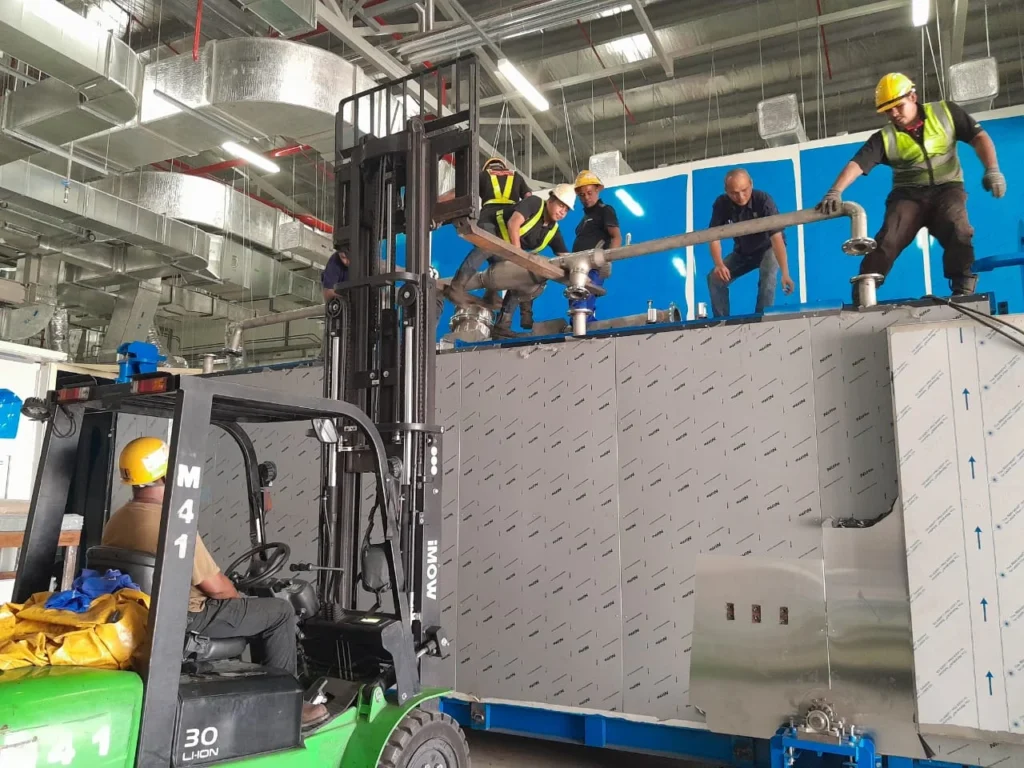
Linee guida ingegneristiche per Aree di sterilizzazione ETO
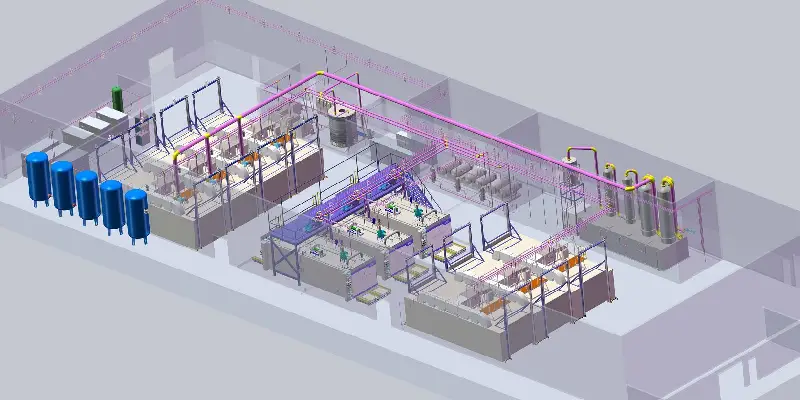
Progettazione di un impianto per l'ossido di etilene (ALLINEAMENTO) la sterilizzazione richiede il rigoroso rispetto degli standard di ventilazione e scarico per proteggere il personale e garantire la sicurezza ambientale. L'obiettivo primario è mantenere a bilancio aereo negativo e garantire che tutti i residui gassosi vengano catturati ed esauriti tramite appositi impianti, sistemi senza ricircolo.
1. Ventilazione & Standard di scarico
2. Specifiche Tecniche per Sistemi Dedicati
| Componente di sistema | Requisito di progettazione | Obiettivo di sicurezza |
|---|---|---|
| Unità di aerazione | Scarico dedicato non ricircolante. | Eliminare le emissioni di ETO dai prodotti. |
| Valvola di sfogo | Convogliato direttamente ad un punto esterno ad alta quota. | Assicurarsi che il rilascio di emergenza ad alta pressione eviti le prese. |
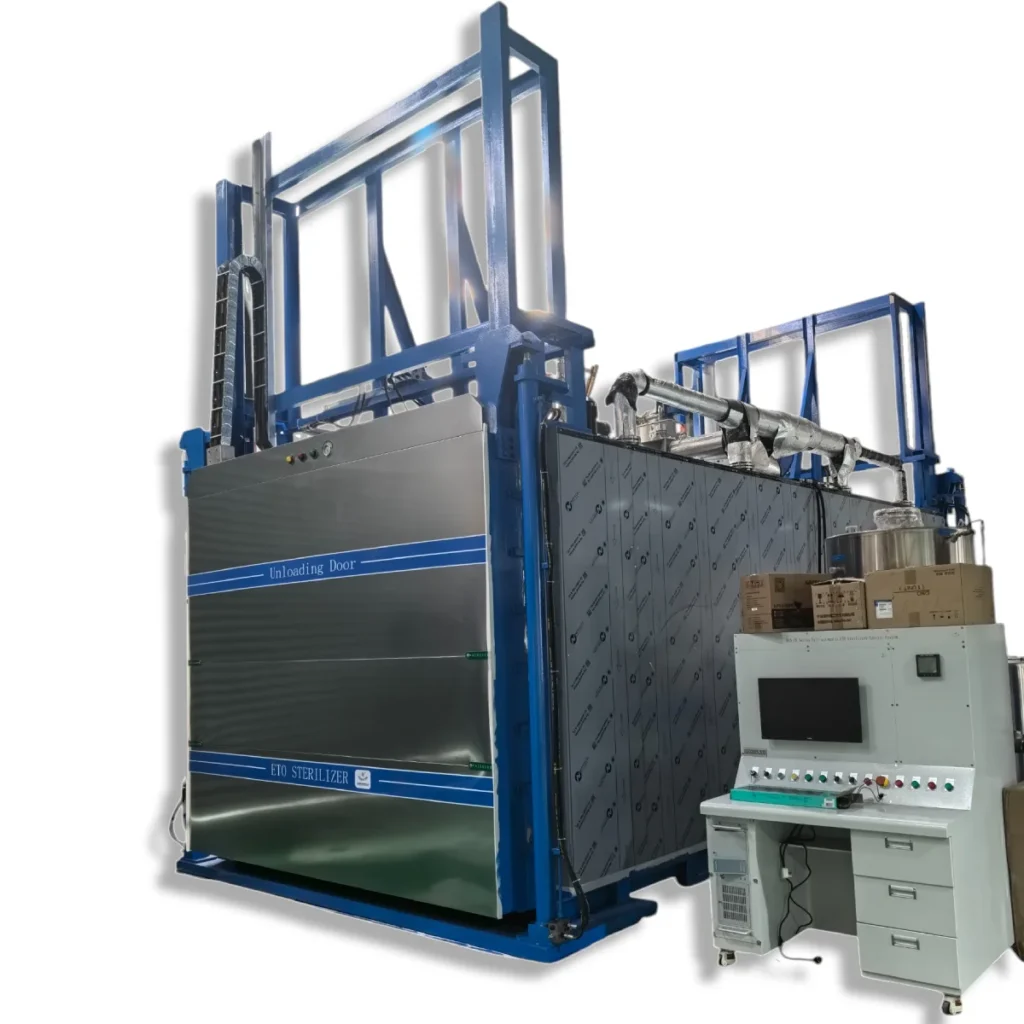
| Sportello dello sterilizzatore | Cappa o tettuccio chiuso su ciascuna estremità sopra la porta. | Cattura l'ETO “rutto” quando la porta viene aperta dopo il ciclo. |
| Linee di rifornimento | Valvole manuali della linea del gas sul collegamento della bombola. | Ridurre al minimo le perdite durante i cicli di rifornimento. |
Ingegneria di precisione delle strutture con BOCON
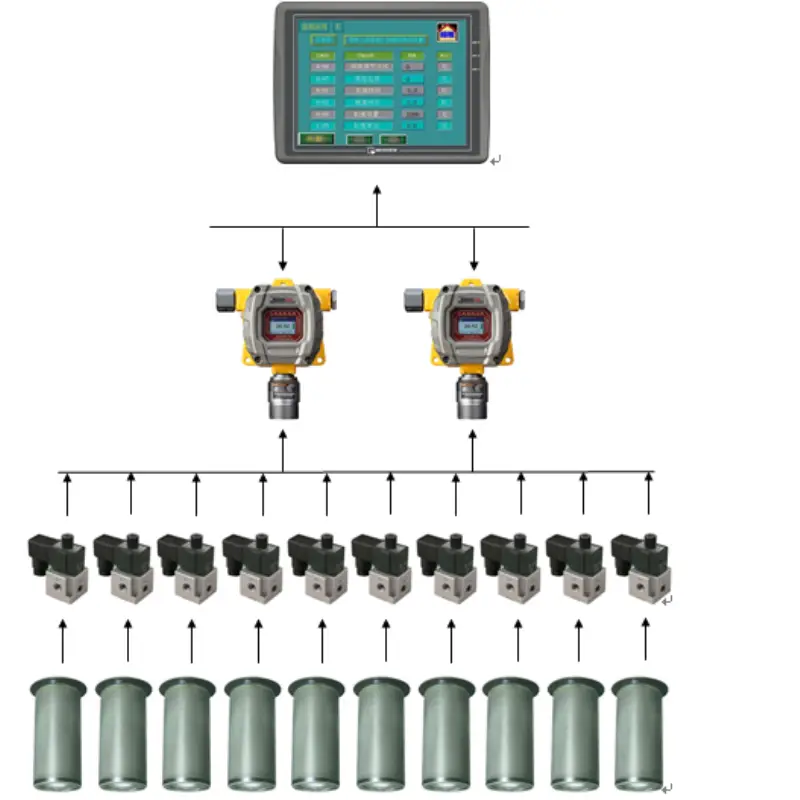
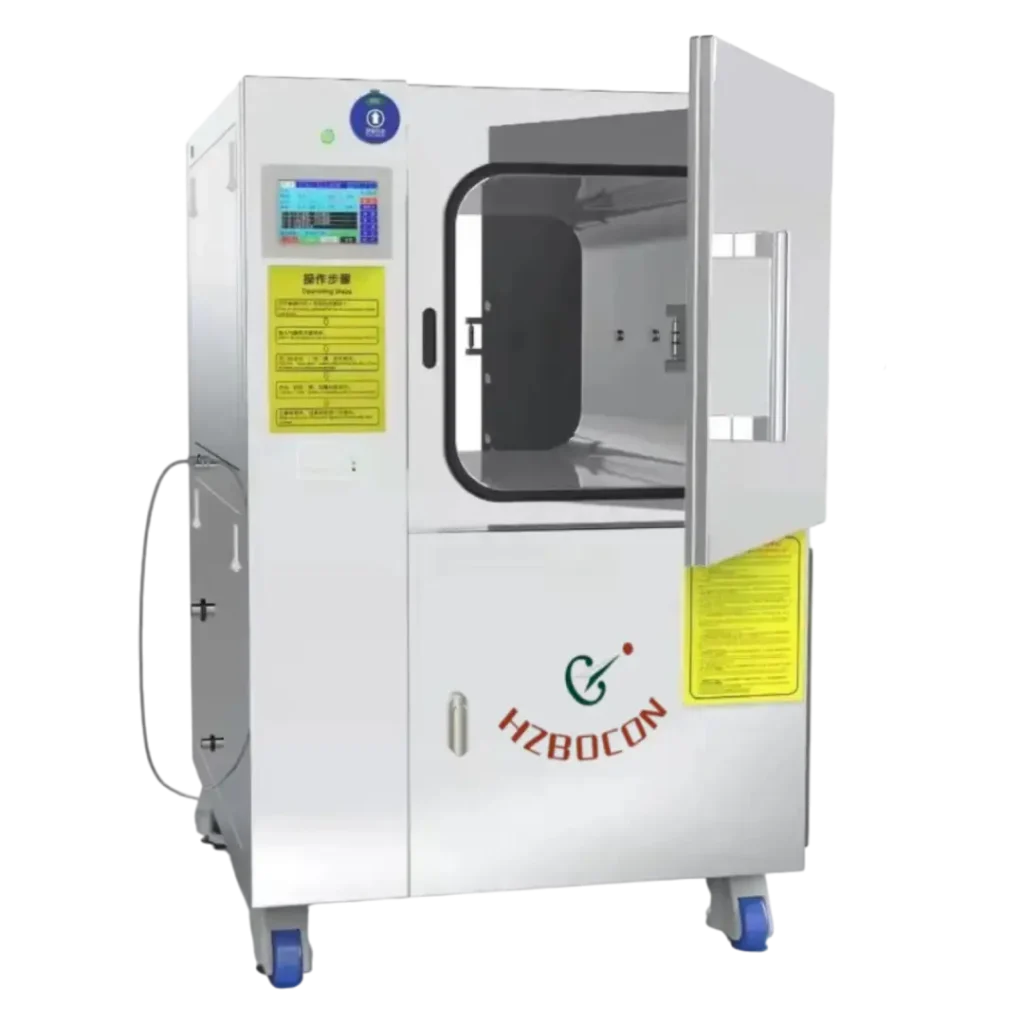
Al BOCON, forniamo molto più che semplici apparecchiature per la sterilizzazione. Nostro Sterilizzatori ETO serie BCS sono progettati per integrarsi perfettamente con l'infrastruttura di ventilazione della vostra struttura. Offriamo consulenza completa su bilancio aereo negativo, design del tettuccio di scarico, E interfacce di monitoraggio del gas in tempo reale per garantire che la vostra area di sterilizzazione sia pienamente conforme alle moderne normative di sicurezza.
Key figures
| Articolo | Requirement | Why it matters |
|---|---|---|
| Room exhaust | Dedicated “Scarico sala attrezzature ETO”, all air discharged outdoors | No recirculation of sterilant into adjacent areas |
| Discharge location | Almeno 25 ft (7,620 mm) from any building intake, operable window or personnel area | Prevents re-entrainment of exhausted EO |
| Cylinder change hood | Located no more than 1 ft (305 mm) above or behind the connection point | Captures gas released during cylinder changes |
| Door-open capture | Hood captures the ETO “rutto” when the chamber door opens after a cycle | The highest short-term concentration in normal operation |
Frequently asked questions
How far must the exhaust discharge be from air intakes?
Almeno 25 piedi (7,620 mm) from any building intake, operable window or area where people are present. The distance is what prevents exhausted ethylene oxide from being drawn back into the building.
Does the room need its own exhaust system?
SÌ. The area requires a dedicated “Scarico sala attrezzature ETO” and all air must be discharged to the outside. Recirculating the room air would spread sterilant through the building.
How is gas captured during cylinder changes?
A dedicated exhaust hood is placed no more than 1 piede (305 mm) above or behind the cylinder connection point, close enough to capture gas released while the fitting is opened.
What is the “rutto” and how is it handled?
When the chamber door opens after a cycle, a small volume of residual gas escapes. The capture hood at the door is sized to take that “rutto”, which is the highest short-term exposure in routine operation.