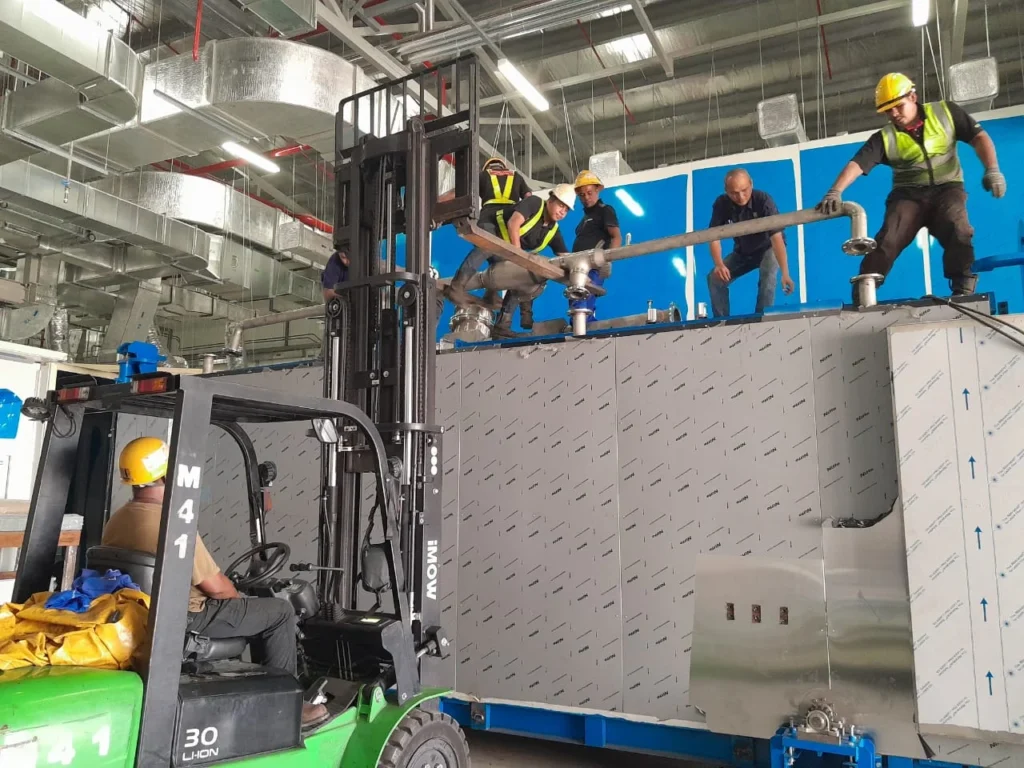
Engineering Guidelines for ETO Sterilization Areas
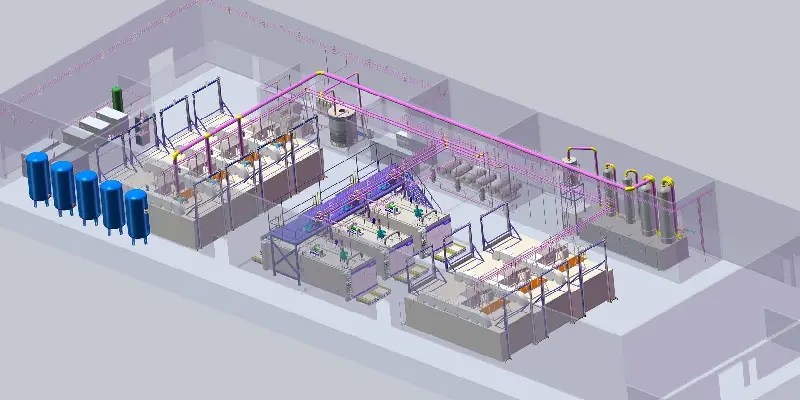
Designing a facility for Ethylene Oxide (ETO) sterilization requires rigorous adherence to ventilation and exhaust standards to protect personnel and ensure environmental safety. The primary objective is to maintain a negative air balance and ensure that all gas residues are captured and exhausted through dedicated, non-recirculating systems.
1. Ventilation & Exhaust Standards
Negative Air Balance
The equipment room must maintain a constant negative pressure relative to adjacent areas. All air must be exhausted to the outside via a dedicated “ETO Equipment Room Exhaust” system.
Discharge Safety
The exhaust discharge point must be located at least 25 feet (7620 mm) away from any building intake, operable window, or personnel pathway.
Cylinder Change Safety
A dedicated exhaust hood must be positioned no more than 1 foot (305 mm) above or behind the cylinder change point to capture any trace leakage.
2. Technical Specifications for Dedicated Systems
| System Component | Design Requirement | Safety Objective |
|---|---|---|
| Aeration Units | Non-recirculating dedicated exhaust. | Eliminate ETO off-gassing from products. |
| Relief Valve | Piped directly to a high-altitude outdoor point. | Ensure high-pressure emergency release bypasses intakes. |
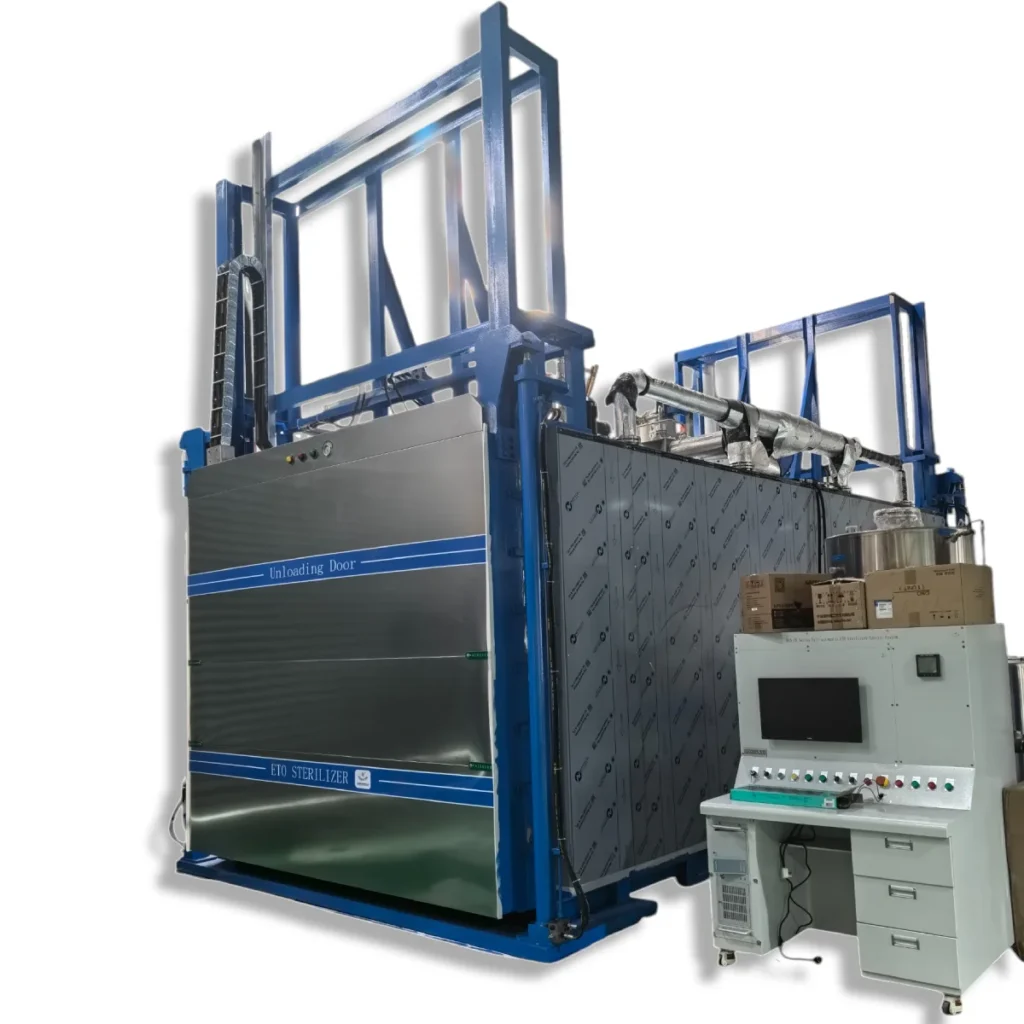
| Sterilizer Door | Hood or canopy closed on each end over the door. | Capture ETO “burp” when the door is opened post-cycle. |
| Supply Lines | Gas line hand valves at cylinder connection. | Minimize leakage during replenishment cycles. |
⚠️
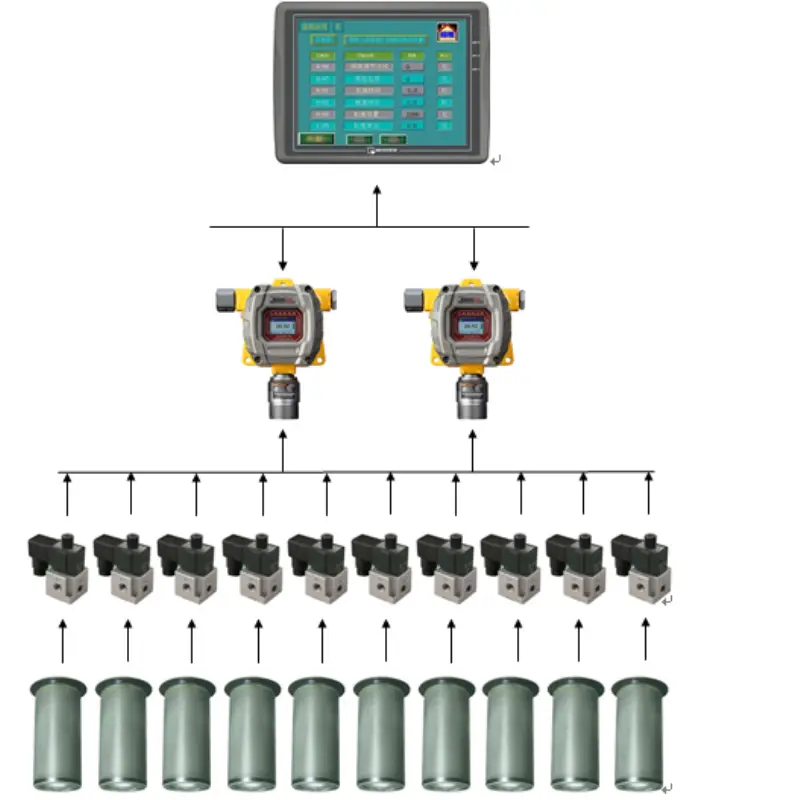
Mandatory Alarm System: An audible and visual alarm must be installed to alert operating personnel immediately if air flow drops below the designed Cubic Feet per Minute (CFM). Never operate the sterilizer if the exhaust system is compromised.
Precision Facility Engineering with BOCON
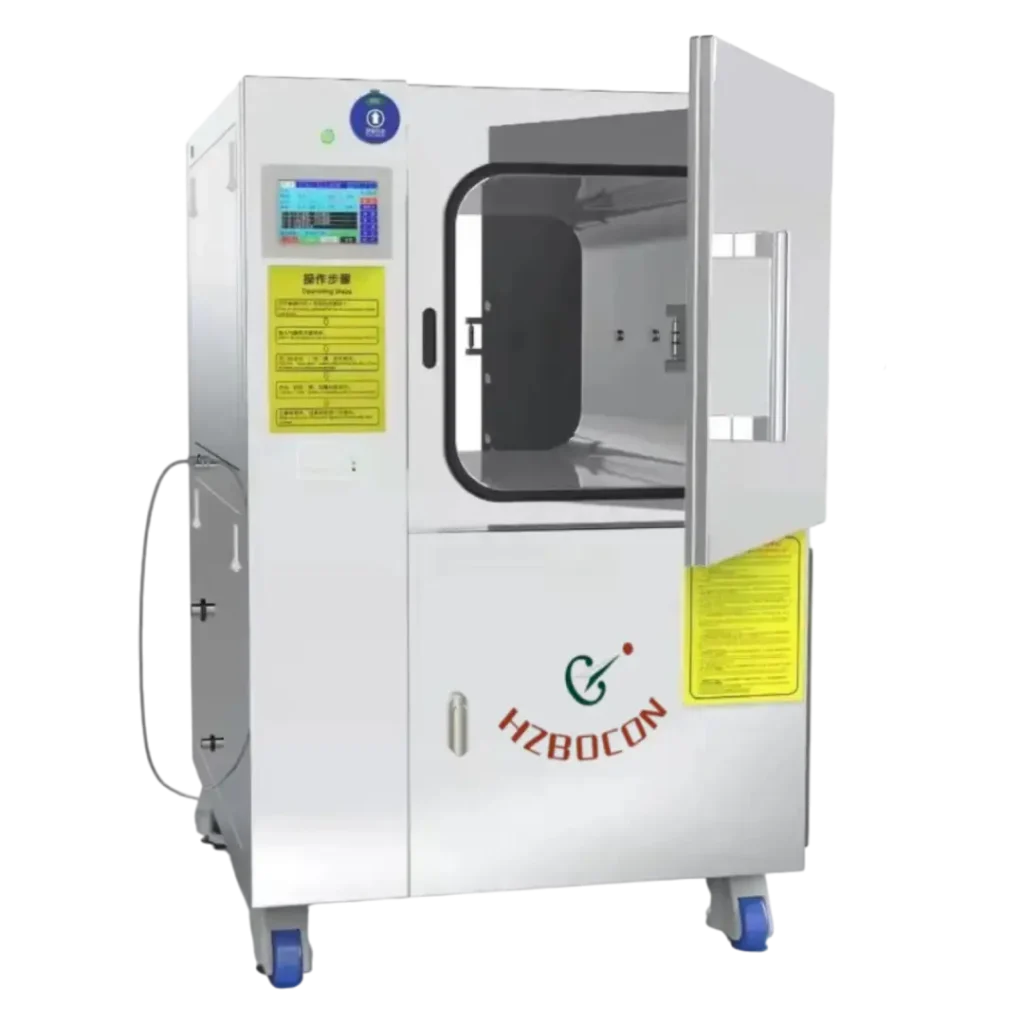
At BOCON, we provide more than just sterilization equipment. Our BCS Series ETO Sterilizers are designed to integrate seamlessly with your facility’s ventilation infrastructure. We offer comprehensive consulting on negative air balance, exhaust canopy design, and real-time gas monitoring interfaces to ensure your sterilization area is fully compliant with modern safety regulations.