
ETO vs. Irradiation vs. Steam: Spice Sterilization Comparison
Spices are highly susceptible to bacterial contamination during harvesting and drying. Selecting the right sterilization method is crucial for maintaining the flavor, color, and consumer appeal of your product. Currently, the industry relies on three primary technologies:
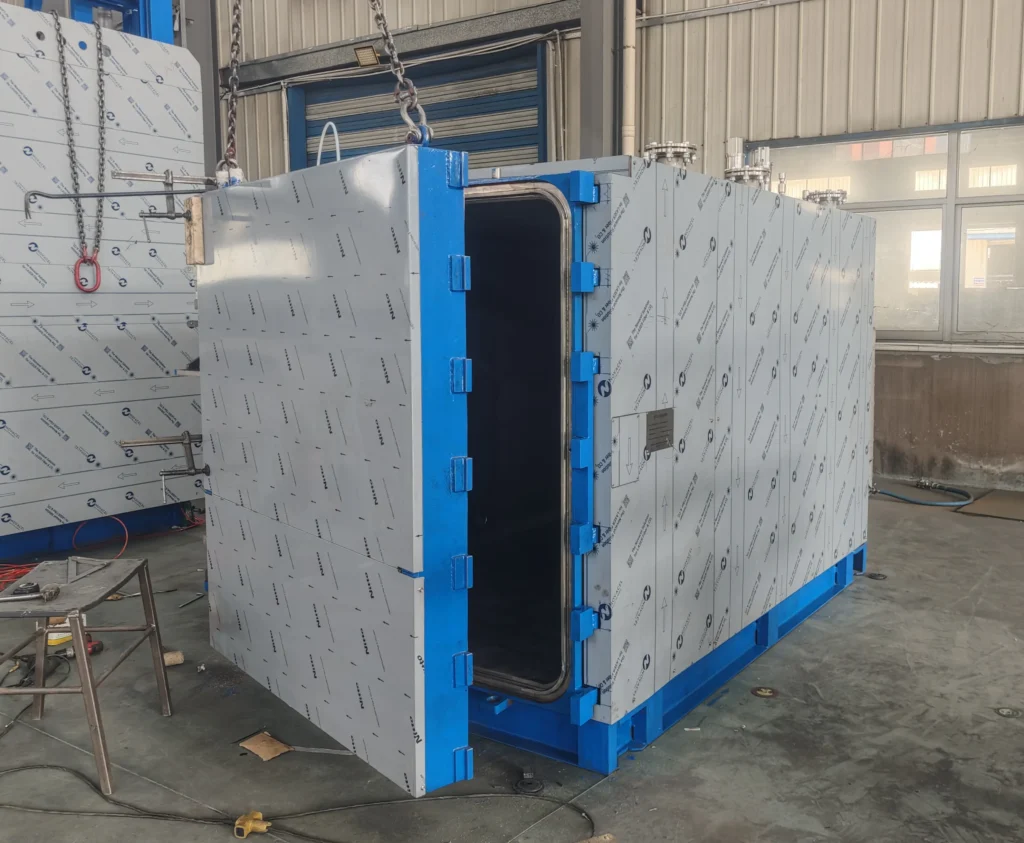
Products are exposed to ETO gas in a sealed, vacuum-controlled chamber. This method is the gold standard for industrial spice processing.
- Cost-Effective: Extremely low per-ton cost for large volumes (up to 35 tons per cycle).
- Self-Contained: Ownership of the equipment allows for in-house processing and zero transport risk.
- Material Gentle: Preserves the delicate volatile oils and colors of the spice.
- Requires aeration time (Can be optimized with BOCON pre-heating & aeration rooms).
- Heavily regulated gas handling.
Uses high-energy gamma rays or electron beams to eliminate microbial loads without heat.
- Highly effective with no chemical residues.
- Rapid processing speed.
- Market Resistance: Consumers often avoid “Irradiated” labeled products.
- Costly: High installation and processing fees.
- Potential damage to packaging materials.
Uses high-pressure hot steam to neutralize bacteria through thermal action.
- Natural process; no chemicals or radiation involved.
- Generally accepted by organic markets.
- Quality Loss: High heat often ruins color and flavor.
- Moisture Risk: Can lead to caking, molding, or clumping of fine spice powders.
Why Industrial Leaders Choose BOCON ETO Solutions?
For large-scale spice producers, efficiency and flavor retention are paramount. BOCON’s BCS Series ETO Sterilizers (from 78L up to 900L) provide the perfect balance of cost and quality. Our systems allow you to sterilize tons of spices in their final packaging, ensuring zero cross-contamination and maximum shelf life.