كيفية حساب الحدود المسموح بها ل تعقيم أكسيد الإيثيلين
ضمان سلامة المرضى هو الأولوية القصوى في التعقيم بأكسيد الإيثيلين. يجب أن تخضع الأجهزة الطبية الصارمة اختبار EtO المتبقي للتحقق من استيفائهم للحدود الصارمة التي حددها ايزو 10993-7. هذه المركبات هي أكسيد الإيثيلين (منظمة أصحاب العمل), إيثيلين كلوروهيدرين (كل), والإيثيلين جلايكول (على سبيل المثال)– يمكن أن تكون خطرة على الصحة إذا لم تتم إدارتها بشكل صحيح.
حساب الحدود المسموح بها (ال)
ال الحد المسموح به (ال) هي الجرعة القصوى المقبولة من سم معين (مثل منظمة أصحاب العمل) من الممكن أن يتعرض لها المريض. ويتم حسابه على أساس المدخول المسموح به والعوامل البيولوجية.
$$TE = TI \times BW \times UTF$$
$دولار الأسلحة البيولوجية: وزن الجسم (كجم)
$يو تي إف $: عامل الاستخدام
الايزو الحالي 10993-7 الحدود المسموح بها
| فئة التعرض | مدة الاتصال | حد منظمة أصحاب العمل (ملغ / د) | حد ECH (ملغ / د) |
|---|---|---|---|
| التعرض المحدود | أولاً 24 ساعات | 4.0 | 9.0 |
| التعرض لفترات طويلة | 1 – 30 أيام | 2.0 | 2.0 |
| التعرض الدائم | > 30 أيام | 0.1 | 0.4 |
طرق التحليل المتبقي لـ EtO
لتحديد مستويات البقايا, تكنولوجيا التعقيم بأكسيد الإيثيلين يعتمد على طريقتين أساسيتين للاستخراج. كلتا الطريقتين كافية للامتثال التنظيمي:
تكرر هذه الطريقة تعرض المريض الفعلي أثناء الاستخدام العادي للمنتج. فهو يستخرج فقط جزء من بقايا EtO التي من المحتمل أن يتفاعل معها المريض.
تقدر هذه الطريقة الأغلبية الإجمالية لـ بقايا EtO داخل الجهاز من خلال عمليات الاستخراج المتكررة حتى تبقى كميات ضئيلة.
ضمان الامتثال لسلسلة BOCON BCS
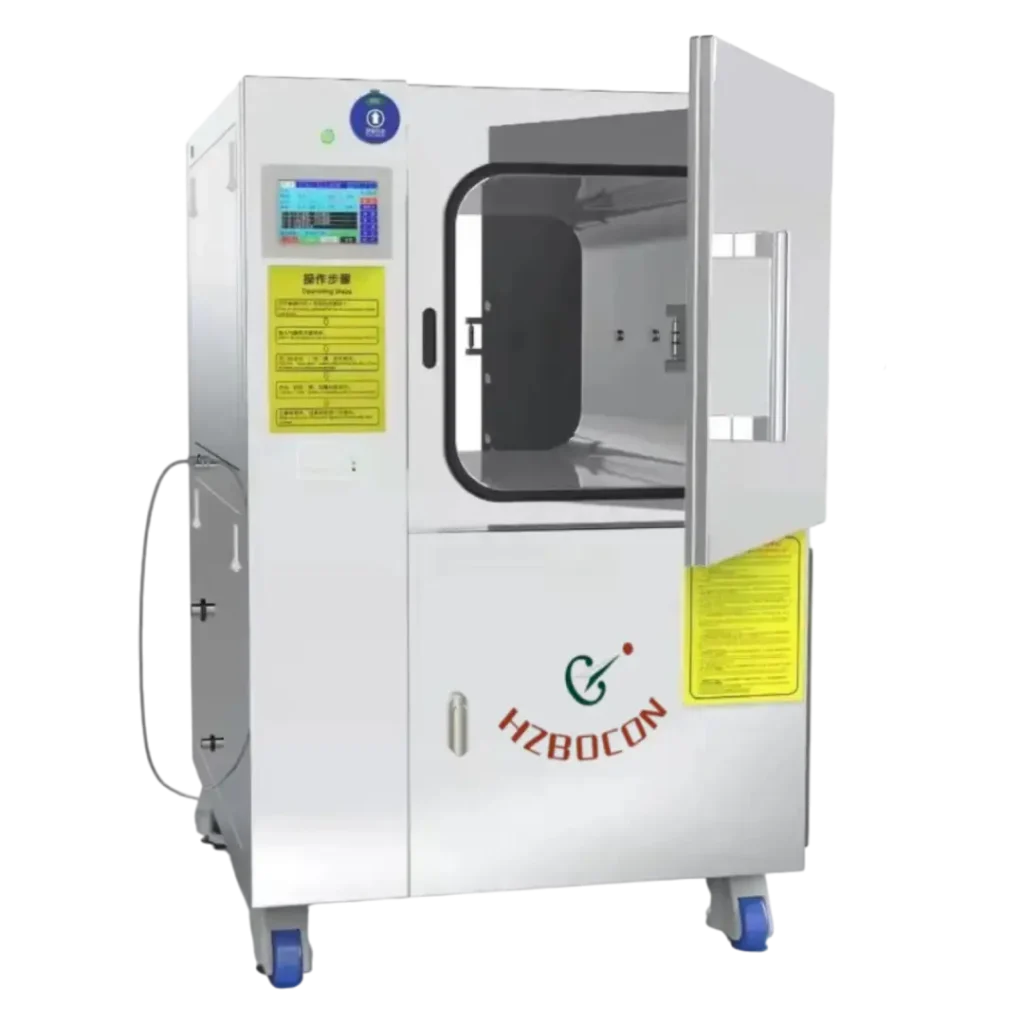
تحقيق هذه الصارمة الحدود المتبقية لأكسيد الإيثيلين يتطلب أداءً عاليًا دورة التعقيم. بوكون معقمات ETO من سلسلة BCS تم تصميمها باستخدام بروتوكولات تهوية فراغية وساخنة متقدمة لتسريع عملية إزالة الغاز. تساعد معداتنا الشركات المصنعة على التبسيط ايزو 10993-7 الامتثال مع الحفاظ على تحولات الإنتاج السريعة.