Regulatory Compliance Guide for Ethylene Oxide (EO) Sterilization Validation
1. Sterilization: The Ultimate Link in Medical Device Safety
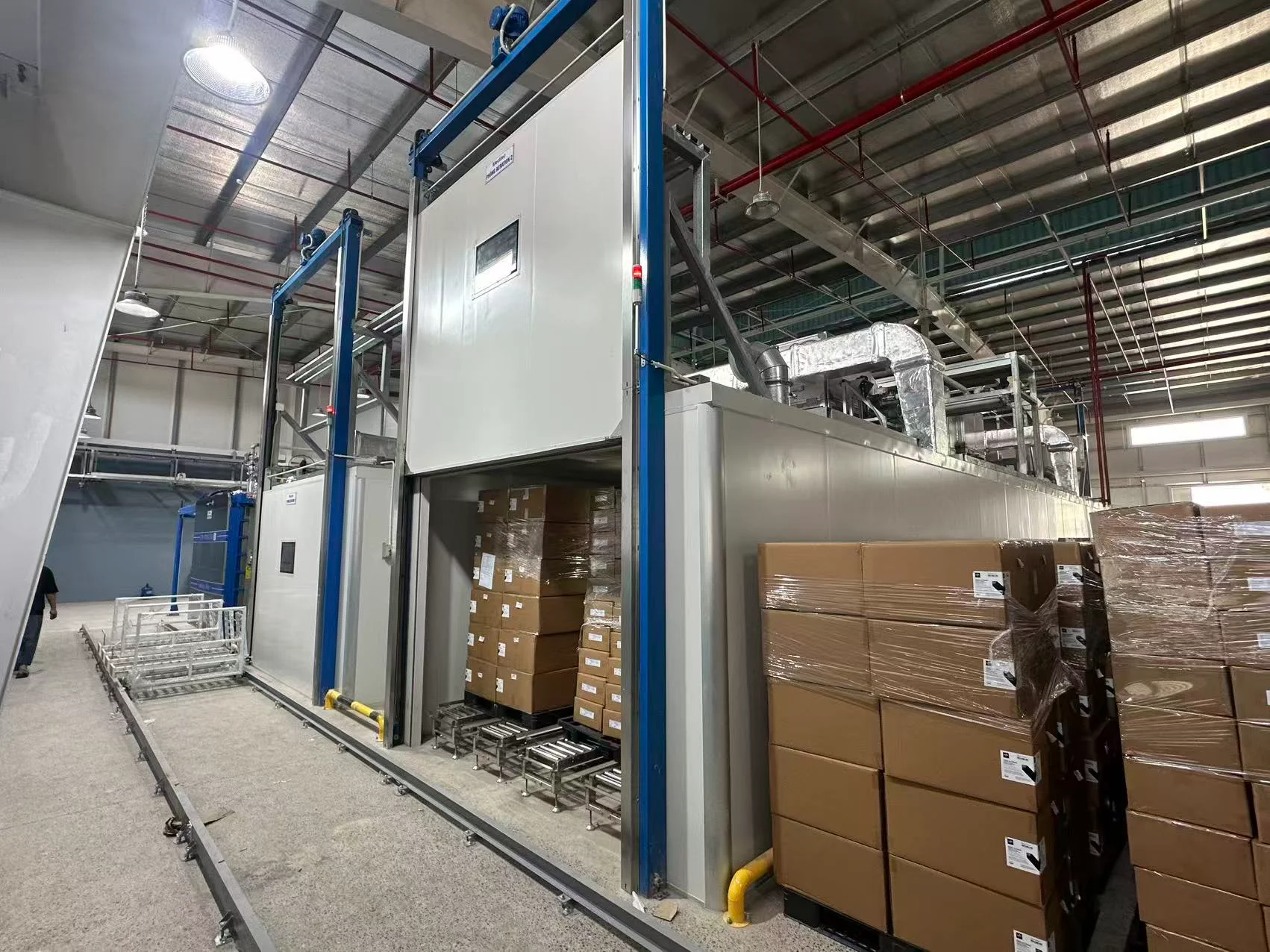
Sterilization serves as the final and most critical phase in guaranteeing medical device sterility, directly correlating to patient health and human safety. Because of its vital role, global regulatory framework—such as ISO 11135, EU MDR, and US FDA—rigidly governs the standard deployment and validated operations of industrial Ethylene Oxide (EO) Sterilization chambers.
2. Mandatory PQ Protocols & User Access Level Control
Before any batch production begins, all medical products must be fully verified via strict Performance Qualification (PQ) testing according to ISO 11135 guidelines. Official Ethylene Oxide (EO) Sterilization routines cannot be legally carried out without a complete and valid PQ report.
To secure parameter integrity, a robust multi-level user authority hierarchy must be enforced within the system software:
- PQ Validation Engineers: Hold exclusive security clearance to program and modify critical process parameters based on the empirical outcomes of PQ testing.
- Operators: Have highly restricted permissions. They are only authorized to launch Ethylene Oxide (EO) Sterilization cycles exactly as pre-configured and locked by the validation engineer, with zero permission to alter critical data.
3. The Critical Necessity of Annual OQ and PQ Re-Validation
Over continuous operational lifecycles, industrial equipment inevitably encounters performance degradation. Such subtle mechanical or thermal drift can cause the initial recipe validated during the original setup to lose accuracy, potentially threatening the strict Sterility Assurance Level (SAL) required for medical devices.
To systematically eliminate this hazard, ISO 11135 standards mandate that legal manufacturers execute periodic Operational Qualification (OQ) re-validation and product Performance Qualification (PQ) confirmatory re-validation. Under standard regulatory guidelines, this validation loop must be successfully performed at least once a year.
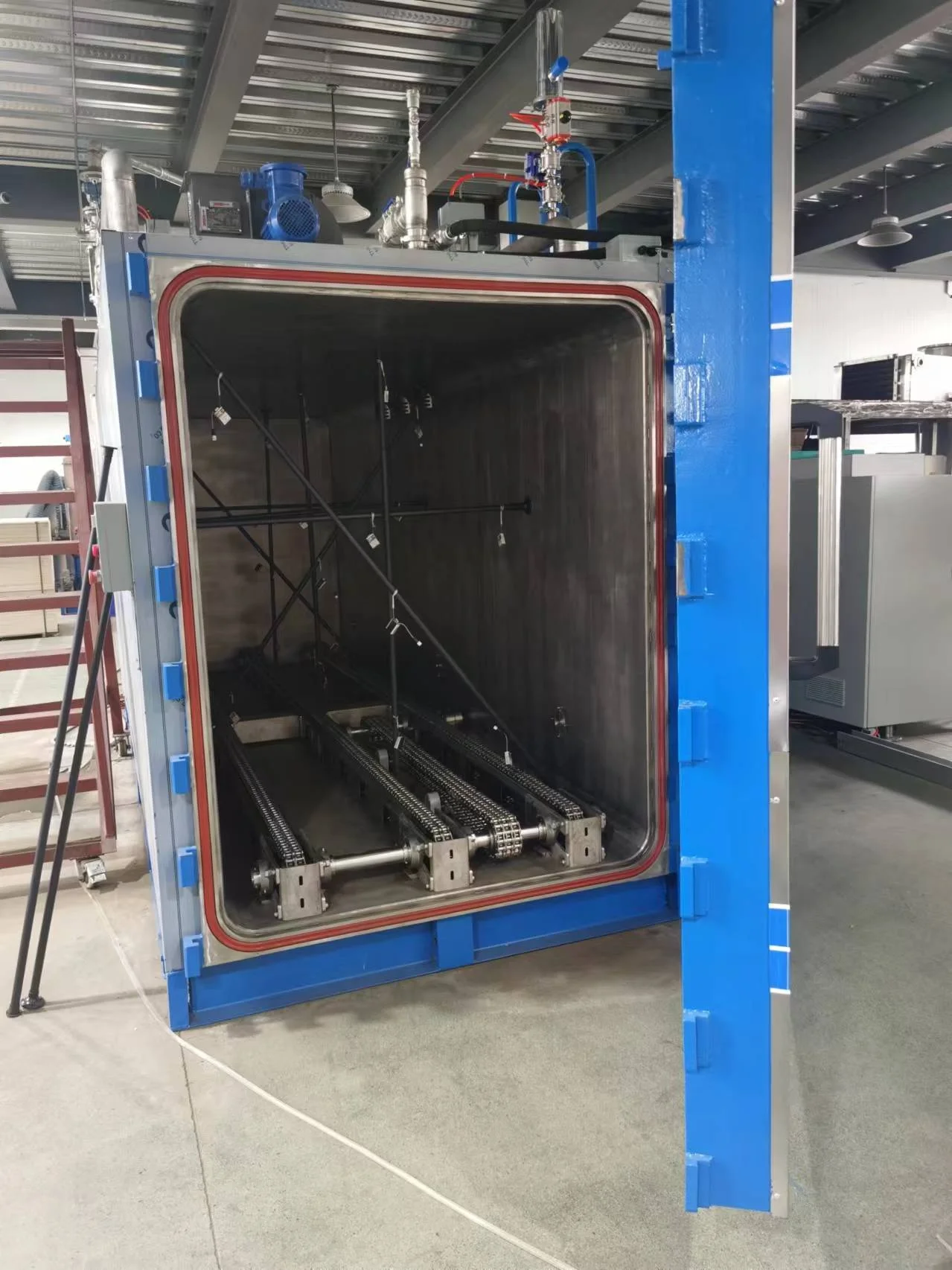
Regulatory Notice: All hardware deployed for Ethylene Oxide (EO) Sterilization requires rigorous OQ confirmatory re-validation and product PQ confirmatory re-validation after specified service intervals. Standard international compliance dictates that this re-validation lifecycle must be executed annually.
4. Equipment Manufacturers vs. Legal Manufacturers: Splitting Privileges
Throughout the official service agreement period, Ethylene Oxide (EO) Sterilization equipment manufacturers are responsible for delivering extensive operation and safety training to end-users. However, the equipment vendor does not hold the legal authority to define or adjust validation recipes for specific medical products.
Any technical parameters preset by the equipment supplier are loaded solely for training and demonstration convenience and must be treated as technical reference only. The legal liability of product cycle validation belongs entirely to the device manufacturer’s credentialed validation engineers.
Is Your Ethylene Oxide (EO) Sterilization Compliant?
Ensure your production lines strictly fulfill annual ISO 11135 re-validation rules. Consult our engineers today.
Book an ISO 11135 Validation Audit