Overkill Method For Sterilization Validation
The Overkill Method is a foundational approach in medical device sterilization. It involves deliberately over-treating reference microorganisms to guarantee a high Sterility Assurance Level (SAL). This method accommodates variances in pre-sterilization bioburden, ensuring a safe sterilization process for even the most challenging reusable products.
Two Primary Approaches to Overkill Validation
Depending on the required sterilization parameters and the nature of the product, manufacturers typically choose between these two protocols:
This method confirms the treatment required to inactivate $10^6$ microorganisms on an ISO 11138-3 compliant Biological Indicator (BI). Establishing reproducibility requires performing this cycle three times. It predicts the survival probability through inactivation kinetics.
Under normal conditions, the load is exposed to the sterilant designed for total lethality. The BI population used must exceed calculated expectations to ensure a 12-log reduction. Successful results are repeated twice to confirm the repeatability of the process.
The Mathematical Foundation: Fbio Calculations
In Ethylene Oxide (EO) sterilization technology, the $F_{bio}$ value is critical for determining the biological lethality of a cycle.
$N_0$: Pre-exposure viable population of the BI (Bioburden)
$N$: Post-exposure viable population of the BI (Sterility goal)
Reference Microorganisms
For validating moist heat or ETO sterilization, choosing high-resistance microorganisms is essential. Common indicators include:
- G. stearothermophilus
- B. coagulans
- C. sporogenes
- B. atrophaeus (Commonly used for EO gas sterilization)
Expert EO Validation Support by BOCON
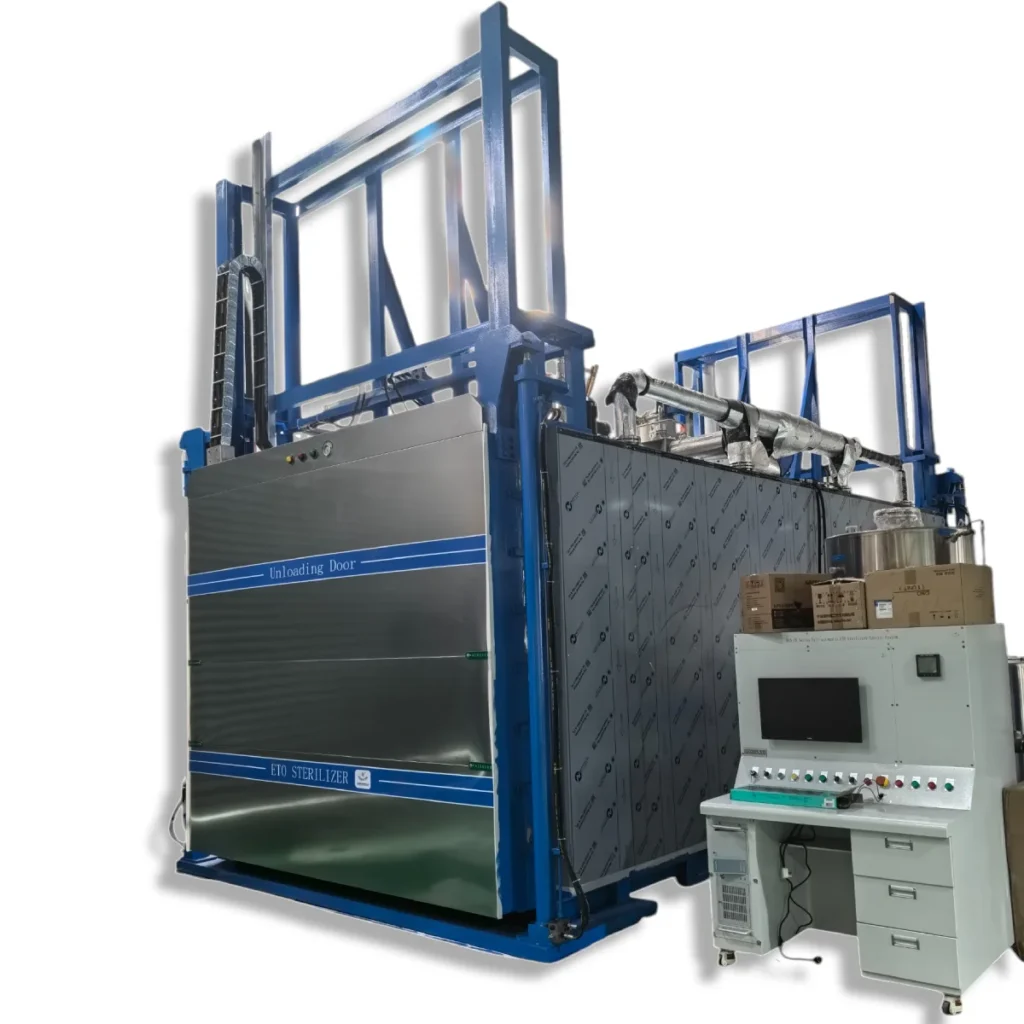
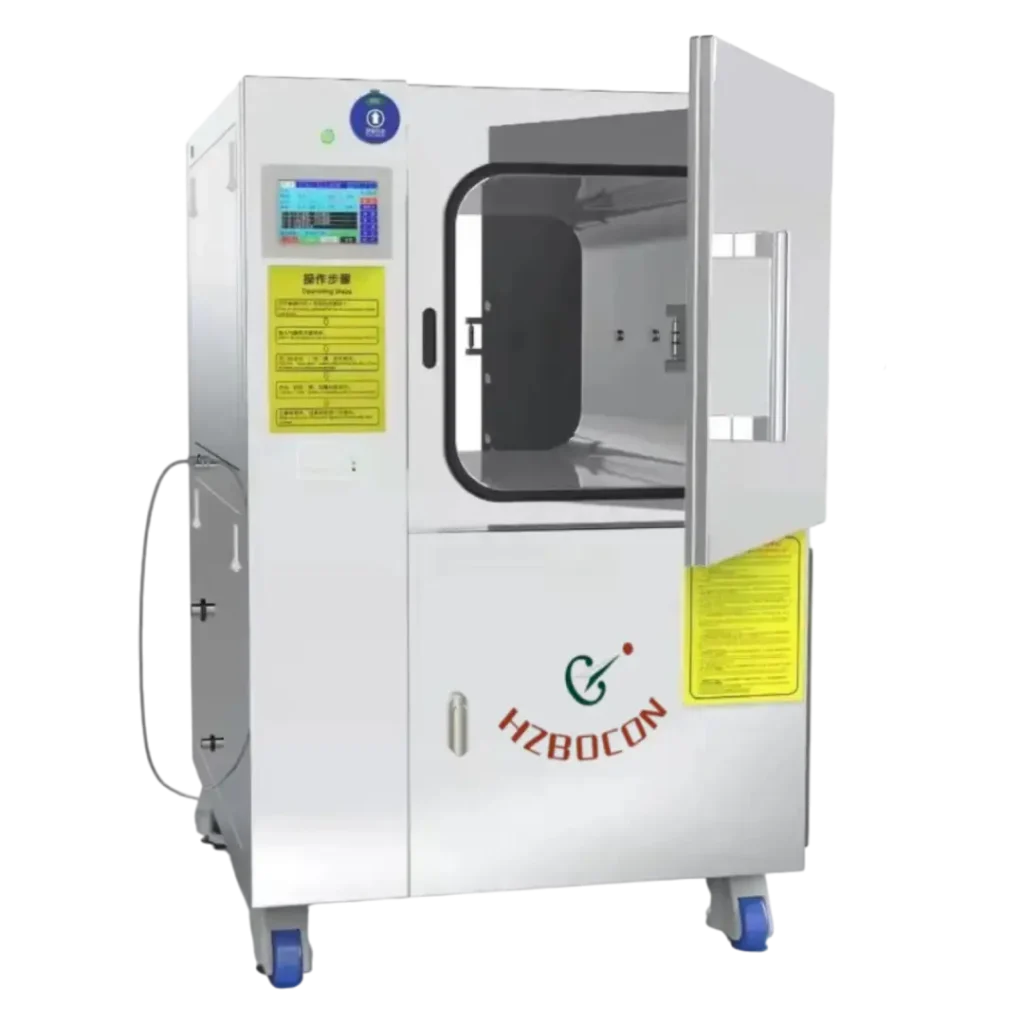
Implementing the Overkill Method requires precise equipment and documented expertise. BOCON’s BCS Series ETO Sterilizers are designed to facilitate seamless Half-Cycle and Full-Cycle validation. Our systems provide the accuracy needed to meet ISO 11135 and FDA regulatory requirements, ensuring your medical devices are safe for the market.