
6 Sterilization Methods: How to Choose the Ideal One?
Selecting the right sterilization method is a balance between microbial lethality and material integrity. For manufacturers, choosing the wrong process can lead to brittle polymers, corroded electronics, or failed sterility assurance.
Sterilization Methods Comparison Matrix
| Method | How It Works | Ideal For… | Not Suitable For… |
|---|---|---|---|
| Ethylene Oxide (EtO) | Low-temp gas alkylation. High penetration. | Heat-sensitive devices, Pacemakers, Catheters, Heart valves. | Food, liquids, oils. |
| Steam (Autoclave) | High-pressure saturated steam. Rapid & nontoxic. | Surgical tools, syringes, vials, stainless steel. | Electronics, fiberoptics, heat-sensitive polymers. |
| Gamma / E-Beam | Cold process via ionizing radiation. | Scalpels, needles, adhesive dressings, plastic syringes. | Certain polymers that discolor or become brittle. |
| Gas Plasma | Hydrogen peroxide gas plasma at low temp. | Laser probes, thermometers, defibrillator paddles. | Cellulose, linens, or liquids. |
| Dry Heat | High-temp air (conduction/convection). | Glassware, metal parts, anhydrous powders. | Most plastics, non-woven fabrics. |
| Chemicals | Liquid sporicidal agents (FDA approved). | Flexible endoscopes, stethoscopes, scissors. | Critical implants (due to lack of BI monitoring). |
Which Method is Right for Your Device?
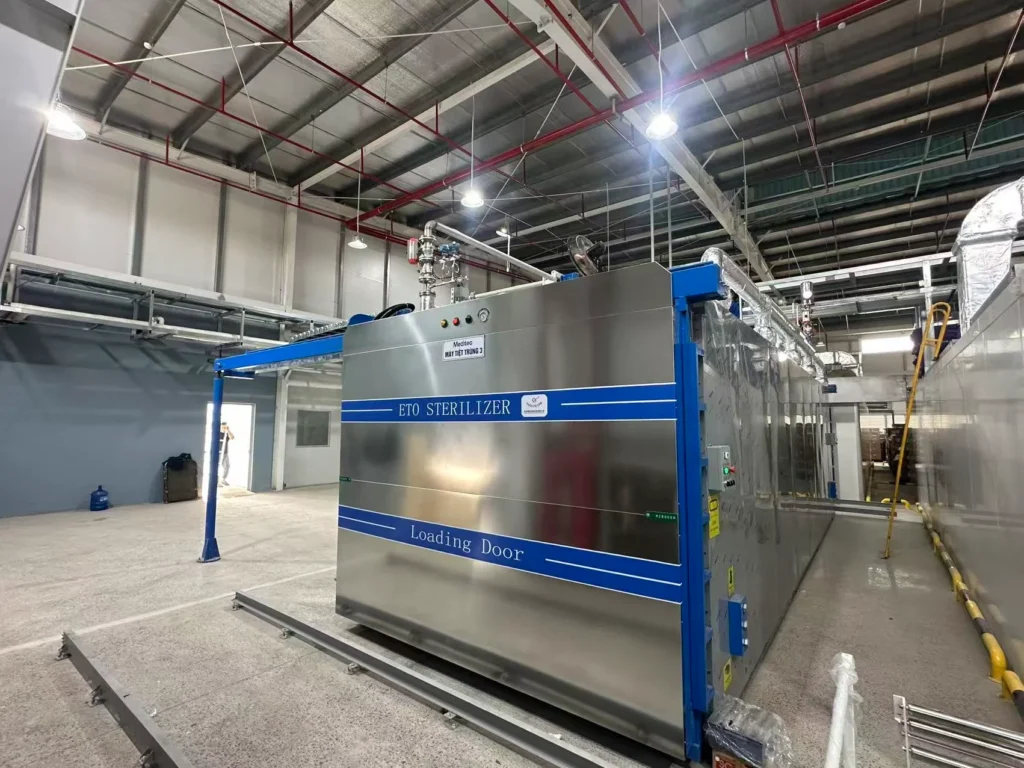
If your device contains electronics, complex lumens, or heat-sensitive materials, Ethylene Oxide (EtO) remains the industry gold standard, sterilizing over 50% of all medical devices in the U.S. alone.
[Image: Infographic showing the 6 methods and their respective temperature ranges]BOCON: Your Expert in Low-Temperature Sterilization
At BOCON, we specialize in Ethylene Oxide (EtO) solutions that protect your high-value medical assets. Our BCS Series ETO Sterilizers provide the precision needed for terminal sterilization of reusable and single-use devices, ensuring full compliance with ISO 11135 while safeguarding delicate materials like fiberoptics and electrical components.